The Curamba Archaeological Complex, known as Cerro Inca, is a pre-Inca site in Kishuara, Andahuaylas, with terraces, platforms, and ceremonial enclosures.
The Curamba Archaeological Complex, also known as Cerro Inca or Intiwatana, is located in the district of Kishuara in Andahuaylas, province of Apurímac, at an altitude of approximately 4,500 meters above sea level. According to Peruvian archaeologist Raúl del Mar, who discovered and studied the site, it may have been a metallurgical center that processed the largest silver items of their kind in the Inca culture, in addition to serving as a regional administrative control center.
The site is one of the most important in the Apurímac region and remains relatively little known to the general public, making it an authentic, uncrowded destination for travelers seeking archaeological experiences off the beaten path.
Origin and Historical Importance
Curamba was built during the Inca Empire period, between the 14th and 16th centuries, when the Incas expanded their dominion over the Peruvian Andes and established administrative, religious, and productive centers throughout the Tawantinsuyo.
One of the most intriguing hypotheses about Curamba is its function as a metallurgical center. The Incas had mastered advanced techniques for working precious metals such as silver, gold, and copper. At Curamba, remains of smelting furnaces (huayras) and metal slag have been found, indicating that metals were processed here on a large scale.
Beyond its industrial function, Curamba also served as an administrative control center for the region, particularly after the Inca conquest of the Chankas — one of the most powerful peoples of pre-Inca Peru — who inhabited this area before being defeated by the armies of the Inca Pachacutec in the 15th century.
Description of the Complex
The Curamba archaeological complex is extensive and contains several structures of great interest:
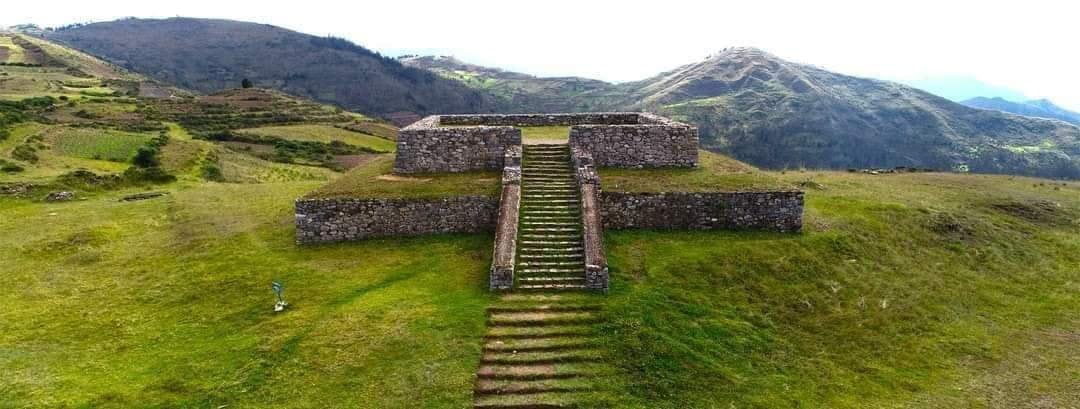
The Ushnu or ceremonial platform: the most prominent structure on the site is a three-tiered truncated pyramid located in front of the Great Plaza. In Inca architecture, the ushnu was a ceremonial altar where offerings to the gods and rituals of political and religious importance were performed. From its summit, the entire surrounding pampa can be seen, and on clear days the view extends to Pacucha Lagoon.
The Great Plaza: an open space in front of the ushnu where people gathered for rituals and festivals. Plazas (aucaypata) were fundamental spaces in Inca urban design.
The canchas: around the plaza there are approximately 50 rectangular and square architectural structures grouped in clusters called “canchas.” These structures served as dwellings, storehouses (qollqa), and workshops. The cancha layout with interior courtyards is characteristic of Inca architecture from the southern highlands.
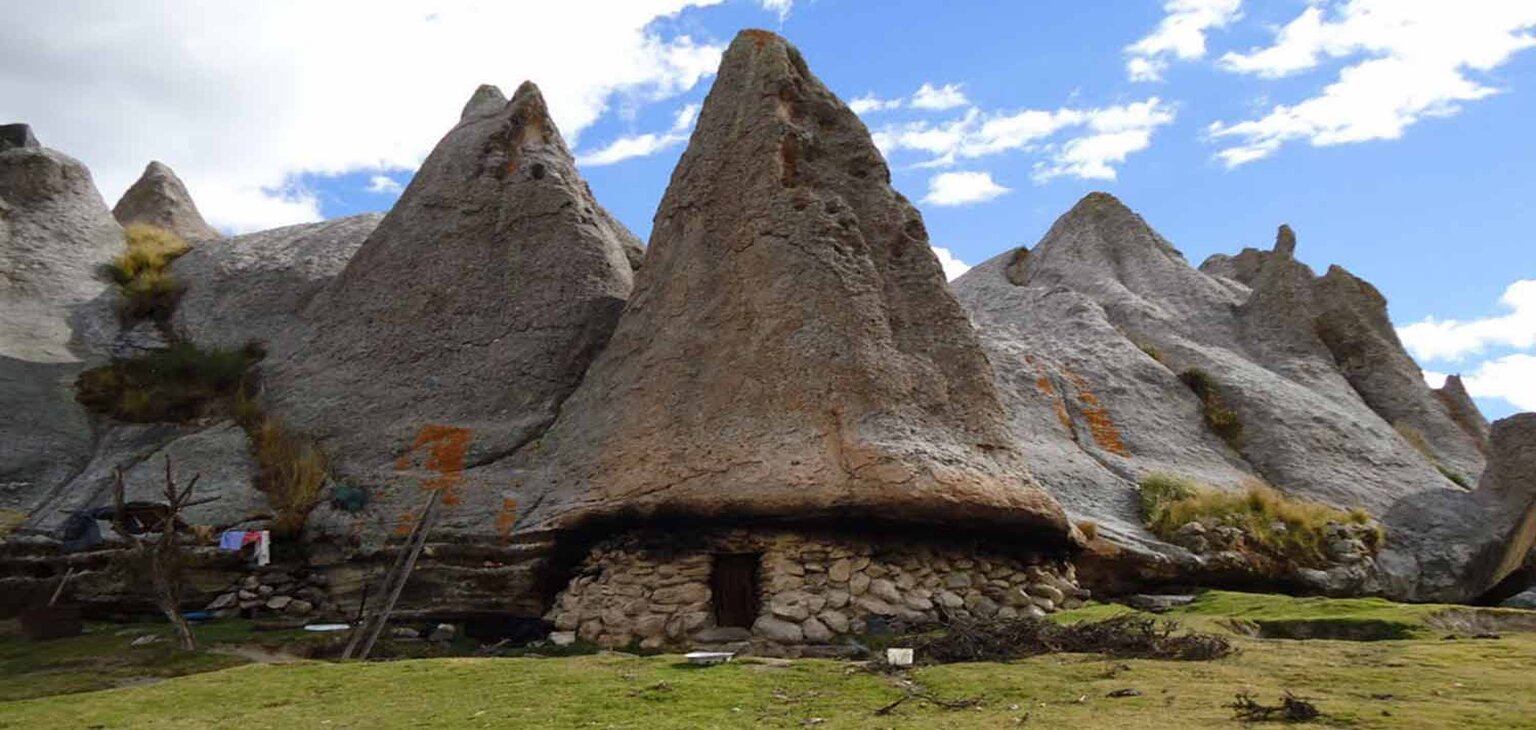
The metallurgical sector: on the slopes of Cerro Intiwatana, numerous smelting furnaces (huayras) have been identified, confirming the site’s metallurgical activity. There are also rock shelters containing bone remains and ceramic material of considerable antiquity.
The View from Cerro Intiwatana
One of the complementary highlights of the visit is the ascent to Cerro Intiwatana, whose summit offers a spectacular panorama of the Andahuaylas valley, Pacucha Lagoon, and the mountains of Apurímac. The name Intiwatana means “where the sun is tied” in Quechua and refers to the stone posts used by the Incas as sundials and astronomical calendars.
Visitor Recommendations
- Access may require a four-wheel-drive vehicle due to road conditions, especially during the rainy season.
- Hiring a local guide is recommended to better understand the site’s history and navigate the higher sections.
- The altitude of 4,500 meters requires prior acclimatization in Andahuaylas (2,926 m).
- Bring warm clothing, sunscreen, and plenty of water.
How to Get There
Abancay - Curamba
Bus: approx. 35 minutes
Hours
- Depends on the type of visit and tour operator
- It is recommended to check directly at the site or with local agencies
Admission Price
- Varies by operator and tour type
- It is recommended to verify current prices before visiting