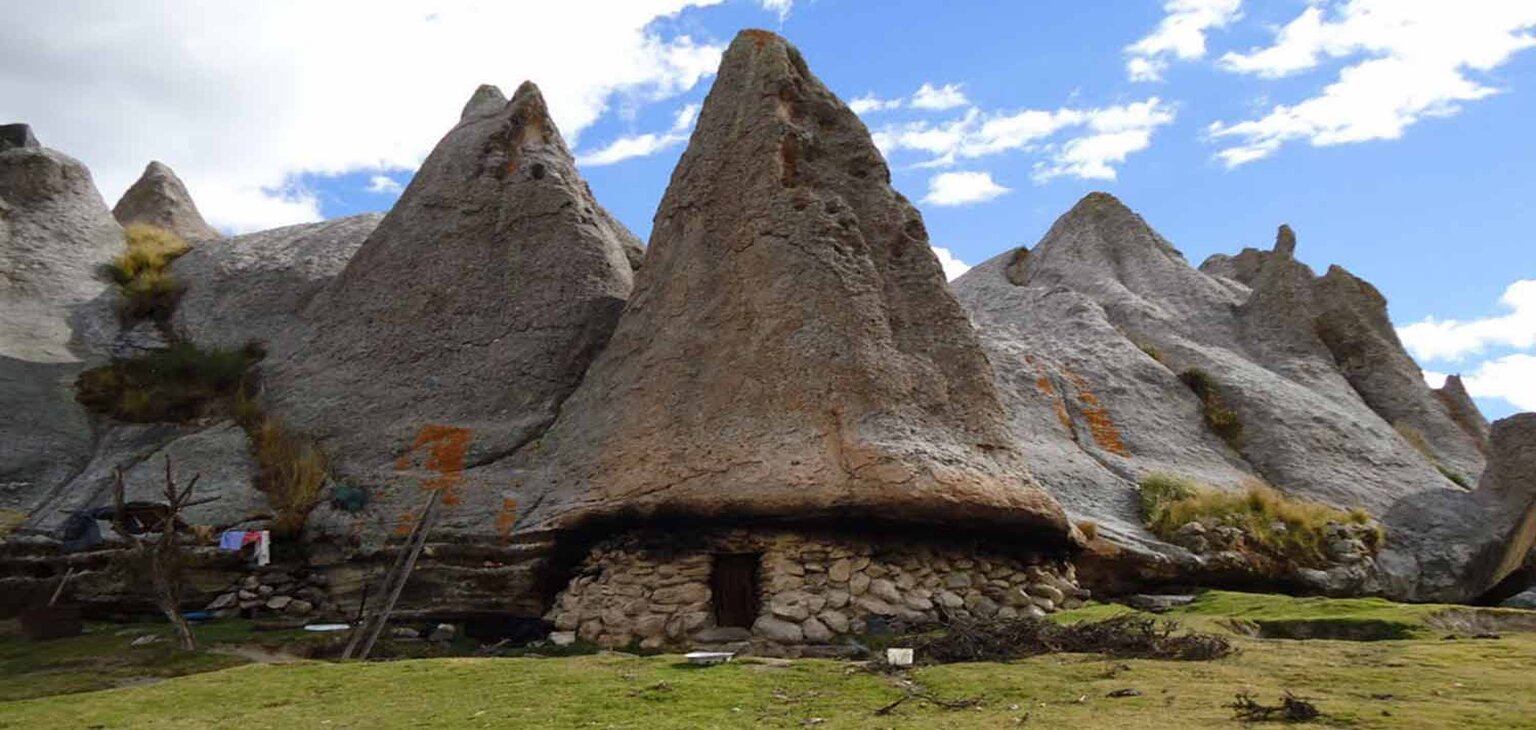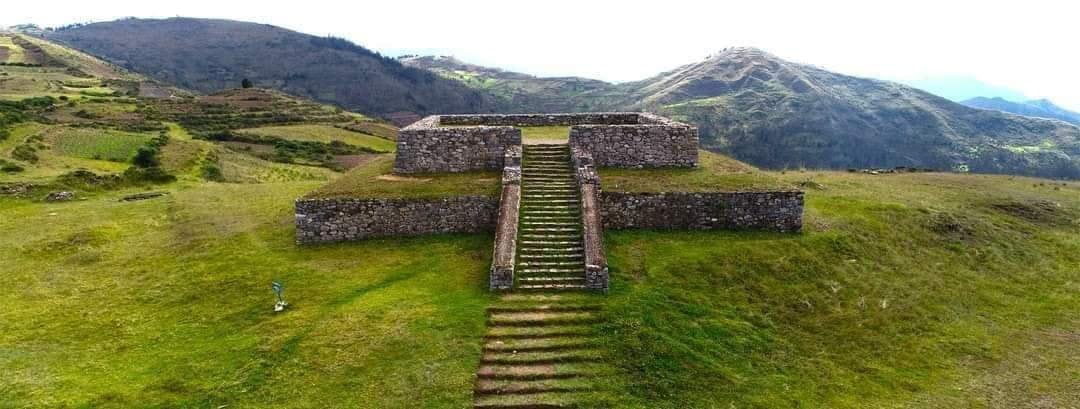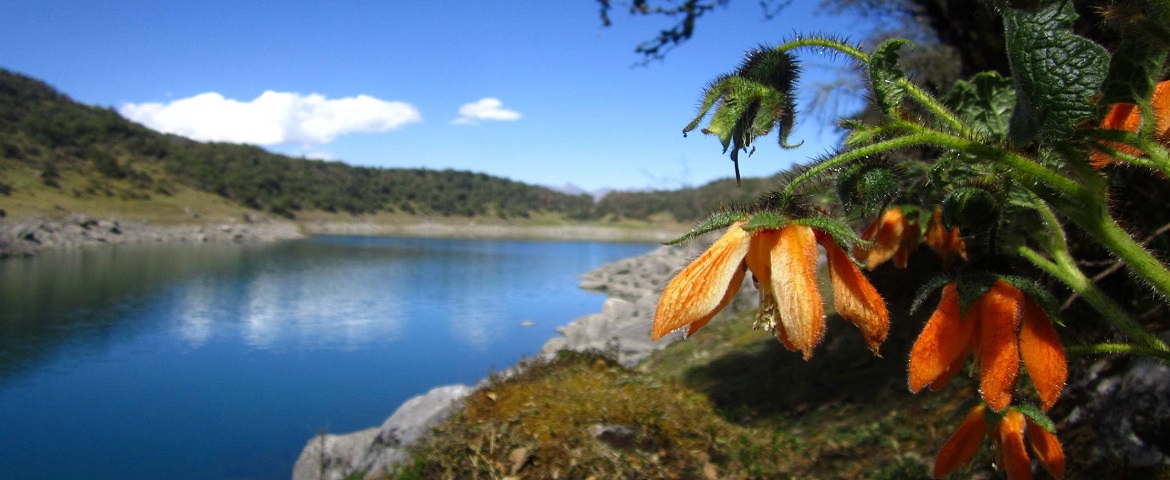
Ampay National Sanctuary in Abancay, Apurímac, is an Andean biological island with relict intimpa forests, high-altitude lagoons, and glaciated peaks above 5,200 meters.
Nestled in the heart of the Andes, the Ampay National Sanctuary (SNA) forms a kind of “biological island” surrounded by human-altered landscapes. It is part of the snow-capped peaks of the Vilcabamba mountain range and the southern Andes, with altitudes ranging from 2,900 to 5,235 meters. Inside the sanctuary, various streams and springs lend the place its singular beauty and hydrological importance.
The Ampay National Sanctuary was established in 1987 with the goal of protecting the last relict forest of intimpa (Podocarpus glomeratus) in the Apurímac region. Covering 3,635 hectares, this small sanctuary is one of the most important in Peru for its ecological value and unique biodiversity.
The Intimpa Forest: A Botanical Treasure
The intimpa forest is the heart of Ampay National Sanctuary and its very reason for being. The intimpa (Podocarpus glomeratus) is Peru’s only native conifer, related to araucarias and cypresses. This tree can live for more than 1,000 years and reach 20 meters in height.
Remarkably, the intimpa trees of Ampay represent the only forest of this species remaining in Apurímac and one of the most extensive in the country. The trees grow on the snow-covered slopes of Ampay and form a dense, shaded forest that shelters a rich community of mammals and birds.
In the past, the intimpa was massively felled throughout the region for its high-quality timber. Today, thanks to the sanctuary’s protection, this forest is slowly recovering.
Wildlife and Flora of the Sanctuary
Ampay National Sanctuary is home to exceptional biodiversity for its size:
Notable Flora:
- Intimpa (the endemic conifer)
- Queuña or queñual (Polylepis), another threatened Andean tree
- Orchids of various species that bloom during the rainy months
- Giant ferns and bromeliads in the most humid zones
- Various medicinal plants used by local communities
Fauna:
- Spectacled bear (Tremarctos ornatus): the only native bear in South America, considered endangered. Ampay is one of its refuges.
- Puma (Puma concolor): difficult to spot, but evidence of its presence in the sanctuary has been recorded.
- White-tailed deer (Odocoileus virginianus)
- More than 130 bird species, including the Andean condor, peregrine falcon, and various hummingbird species.
The Lagoons of Ampay
In the upper reaches of the sanctuary, above 4,000 meters, beautiful glacial lagoons feed the rivers and streams of the valley below. The main lagoon bears the name of the glacier itself and is the destination of the sanctuary’s most popular hike.
The trail to the lagoons offers ever-changing views: first passing through the dense intimpa forest, then opening up onto the puna grasslands, and finally arriving at the bofedales (high-Andean wetlands) surrounding the lagoons. The view from above, looking down toward the city of Abancay and the Pachachaca valley, is one of the great rewards of the hike.
Abancay: The City of Retama
Ampay National Sanctuary is located practically on top of Abancay, the capital of the Apurímac region. From the city center, the Ampay glacier that dominates the horizon is clearly visible. This proximity makes the sanctuary a very accessible day visit that can easily be combined with a tour of the city.
Abancay is known as the “City of Retama” for the abundance of this yellow-flowering plant that perfumes the streets and hillsides surrounding the city, especially during blooming season (July-September).
How to Explore the Sanctuary
The sanctuary’s trails are marked and park rangers are available to guide visitors. The most popular route to the lagoons takes between 4 and 5 hours round trip from the sanctuary entrance, which is located about 7 km from the center of Abancay.
Hiring a local guide is recommended to better appreciate the flora and fauna and to navigate the upper sections where the trail may not always be clearly marked.
How to Get There
Apurímac - Ampay
Bus: approx. 7 hours
Hours
- Depends on the type of visit and tour operator
- It is recommended to check directly at the site or with local agencies
Admission Price
- Varies by operator and tour type
- It is recommended to verify current prices before visiting