The Kotosh architectural complex is located 4 km from the modern city of Huánuco. Find out how to get there, what to see, and the best tips for your visit.
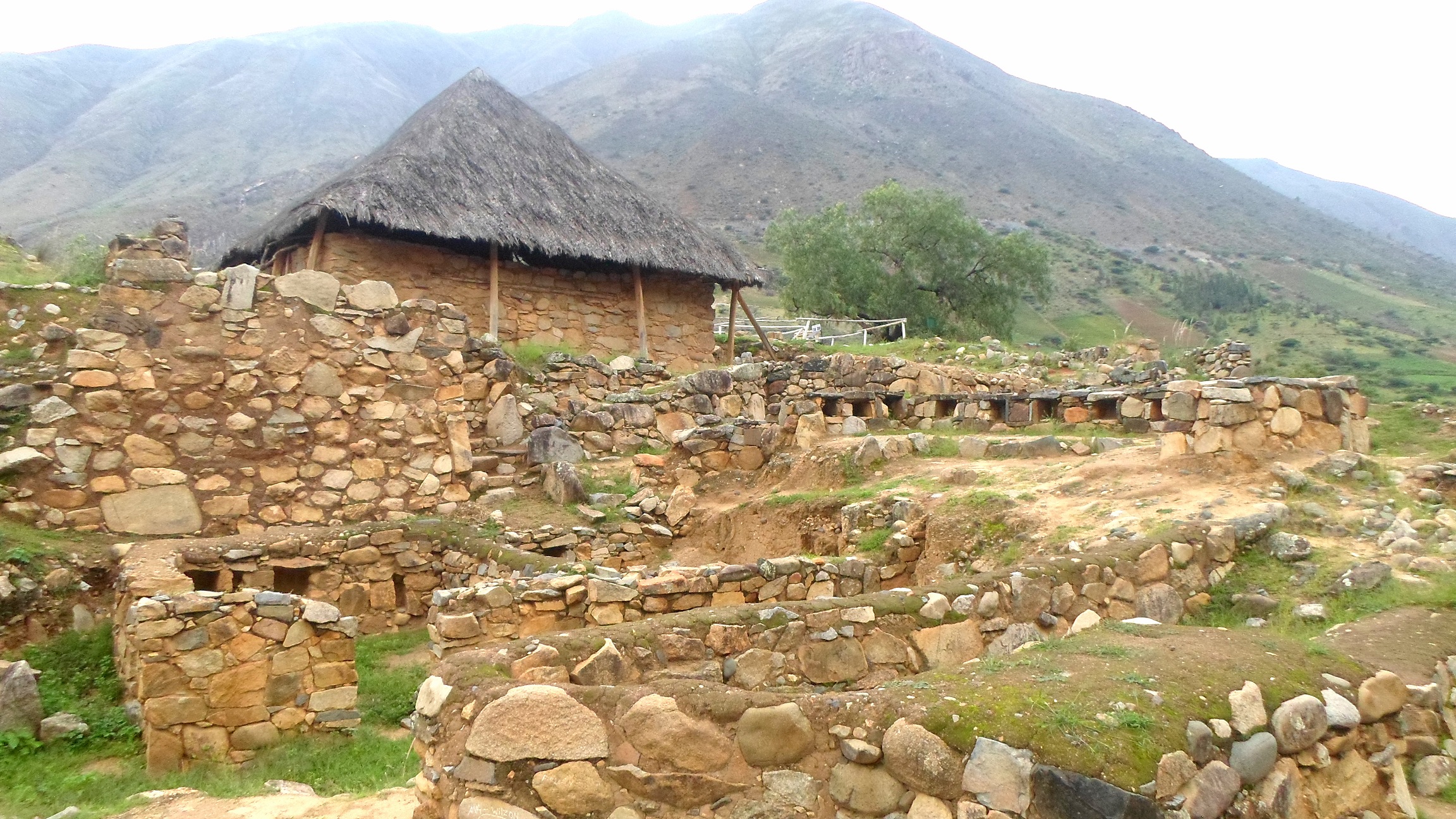
The Kotosh architectural complex is located 4 km from the modern city of Huánuco. Kotosh represents the earliest evidence of public and ceremonial architecture in the Andes. Though the constructions have been found and studied, they still show the rough character of early building techniques. The most famous structures are the Temple of the Crossed Hands and the Temple of the Niches (Nichitos).
The oldest period identified at this site is known as the Kotosh-Mito phase, which lasted from around 2000 BC. It was then that the first temple was built, remaining in use until around 1500 BC. The ritual performed here centered around a small fire where minor offerings were burned. Kotosh is one of the oldest known examples of buildings dedicated to ritual and religious activity in Peru, and the form and arrangement of the internal elements of its temples place it at the origin of what is now known as the “Mito tradition” — the oldest such tradition known.
These temples consist of a small square or circular room (at 88 m², Kotosh’s is one of the largest), with a single entrance, a floor plan on two levels — a lower central floor and an upper walkway — and, at the perimeter, a step connecting the surrounding area to the raised walkway. The lower floor has a small central hearth that functions as a fire pit, fed by fresh air through a small duct that opens to the outside beneath the floor. Some temples have wall niches and others do not, or at least none have been found by archaeologists.
The Temple of the Crossed Hands
The Temple of the Niches (Nichitos), built above the Kotosh temple, takes its name from the niches present in the structure and belongs to the most recent construction period. It was discovered by a team of Japanese archaeologists and is important because it provides insight into the building methods used by the people of this ancient city. Construction followed this sequence: first, the floor was laid; second, a hearth with multiple ventilation channels was built; third, the floors and niches were finished; and finally, the walls were plastered.
The so-called White Temple is the oldest structure in the building sequence. Named for the white plaster it contains, it was buried so that the Temple of the Crossed Hands could later be constructed on top of it. The third and most important temple stands in the middle of the others: the Temple of the Crossed Hands. It takes its name from a sculpture depicting hands in this position, which was found beneath a niche in the overlying structure.
The Ritual Burial
When a temple was “buried,” it was not simply covered with earth. Archaeological research has revealed that a complex ritual accompanied the demolition of the old temple and the construction of a new one. This ritual, known as “ceremonial burial,” was practiced from that era until the arrival of the Spanish in 1532.
First, the floor was covered with fine river sand to a height of about one and a half meters, and the remaining height was filled with earth and pebbles up to ceiling level. On top of this was placed a 60-cm-thick layer of amber material, abundant in the area. Ventilation shafts and flues for the new temple were then constructed. Next, a layer of ash was placed on the floor, symbolizing new growth from the old ashes. This was followed by another layer of brown earth, preparing the floor of the new temple. New lower walkways were built, then new walls to create new rooms. Finally, the floors and walls were plastered. A new temple now stood — though its form and design were identical to the one before.
How to Get There
Huánuco – Kotosh Monumental Archaeological Zone
Bus: approx. 20 minutes
Hours
-
Tuesday to Sunday: 9:00 AM to 5:00 PM
-
Approximate schedule
Admission Price
-
Adult S/5.00 soles
-
Child or student S/1.00 sol
-
Approximate prices