Monkey Island in Iquitos, Loreto, is a sanctuary on the banks of the Amazon where rescued primates live in semi-freedom and interact freely with visitors.
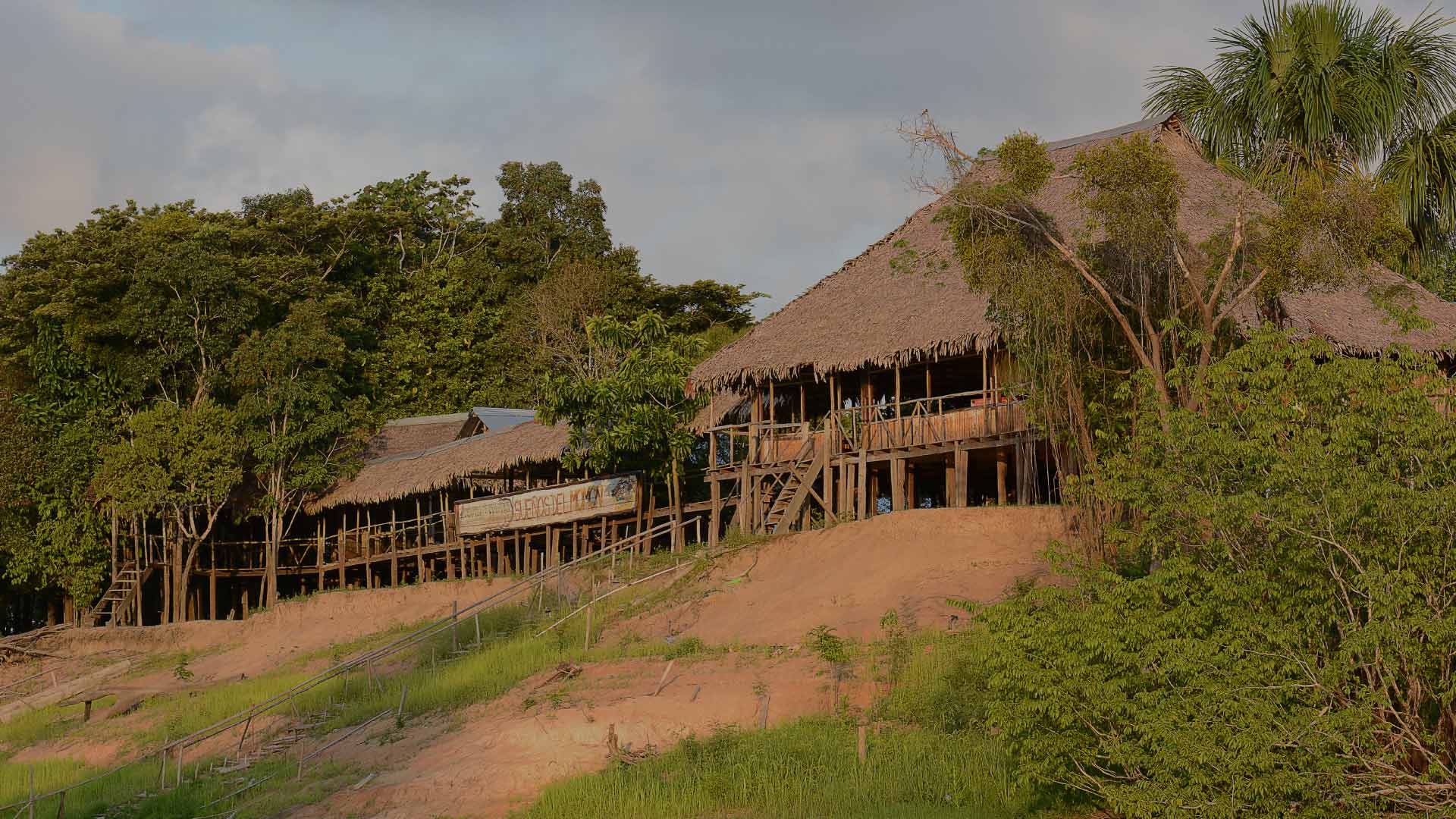
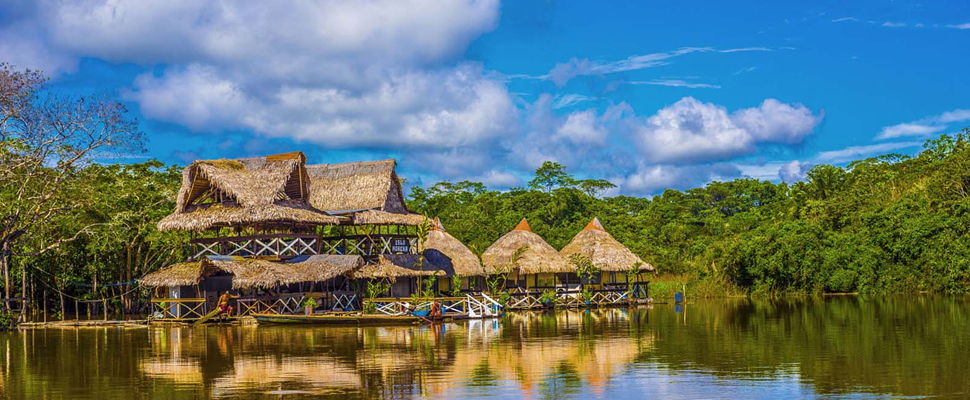
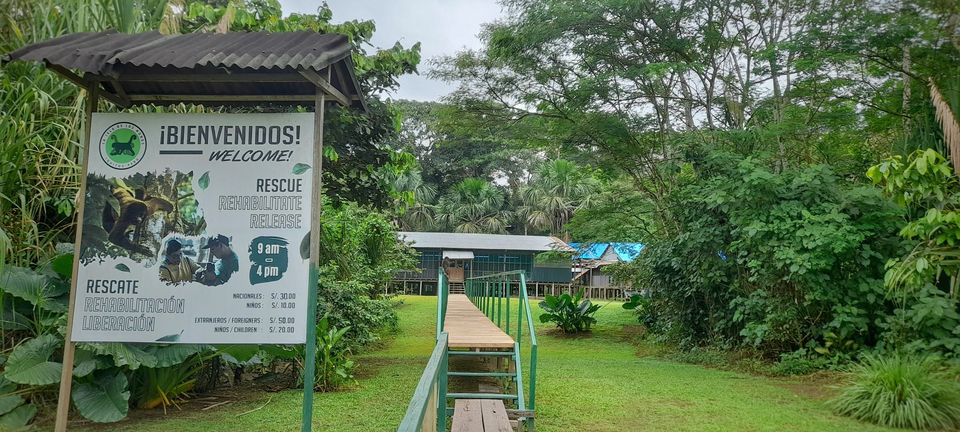
30 kilometers east of Iquitos, the capital of the Loreto region and gateway to the Peruvian Amazon, lies the Isla de los Monos — Monkey Island. Situated on the banks of the Amazon River, this sanctuary is dedicated to the rescue, rehabilitation, and reintegration of endangered Amazonian primates. The project combines conservation of Amazonian biodiversity with a model of sustainable tourism that has earned international recognition.
Since its founding in 1997, the sanctuary’s mission has been to care for monkeys rescued from illegal wildlife trafficking and to return them to the wild once they are capable of surviving on their own.
Wildlife Trafficking and the Need for the Sanctuary
The context that gave rise to Monkey Island is the devastating problem of illegal wildlife trafficking, one of the most lucrative criminal enterprises in the world — surpassed only by drug and arms trafficking. In the Peruvian Amazon, monkeys are frequently captured and sold as pets, in local markets and internationally.
The trafficking of primates causes enormous harm to wild populations: for every animal that reaches its final destination alive, several more die during capture, transport, and mishandling. Baby monkeys are the most sought after, which means that traffickers typically kill the mother in order to capture the infant.
Monkey Island rescues these animals from the illegal trafficking circuit, rehabilitates them, and works to return them to their natural habitat whenever possible.
The Species of the Sanctuary
The sanctuary is home to approximately 40 monkeys from 7 different species, out of the roughly 51 primate species that inhabit the Peruvian jungle. The species present include:
The howler monkey (Alouatta seniculus): the loudest mammal in the world. Its roar can be heard up to 5 kilometers away. It is the most impressive resident of the sanctuary.
The tamarin (Saguinus spp.): tiny primates with vivid coloring, some no larger than a squirrel. They are highly curious and approach visitors easily.
The makisapa (Ateles chamek): also known as the spider monkey for its graceful ability to move through the branches using all four limbs and its prehensile tail. It is one of the most intelligent primates in the Amazon.
The tocón monkey (Callicebus spp.): a medium-sized monkey known for forming monogamous lifelong pairs.
The lion tamarin (Leontocebus spp.): a small primate with a striking mane reminiscent of a lion’s, in vivid colors.
The woolly monkey (Lagothrix lagotricha): a larger, affectionate, and sociable monkey — one of the visitor favorites.
The Visit: Living Alongside the Primates
What makes Monkey Island completely unique as a tourist destination is that the primates roam freely alongside visitors. Upon arriving at the island, the more curious and human-habituated monkeys approach, climb onto visitors’ shoulders, greet them, and even mimic their gestures.
This interaction is possible because the sanctuary’s monkeys have been raised from an early age in contact with humans. However, guides teach visitors the rules of behavior so as not to disturb the animals’ wellbeing: do not feed them anything other than what is provided by the sanctuary, avoid sudden movements, and respect the space of the more withdrawn individuals.
The Island’s Forest
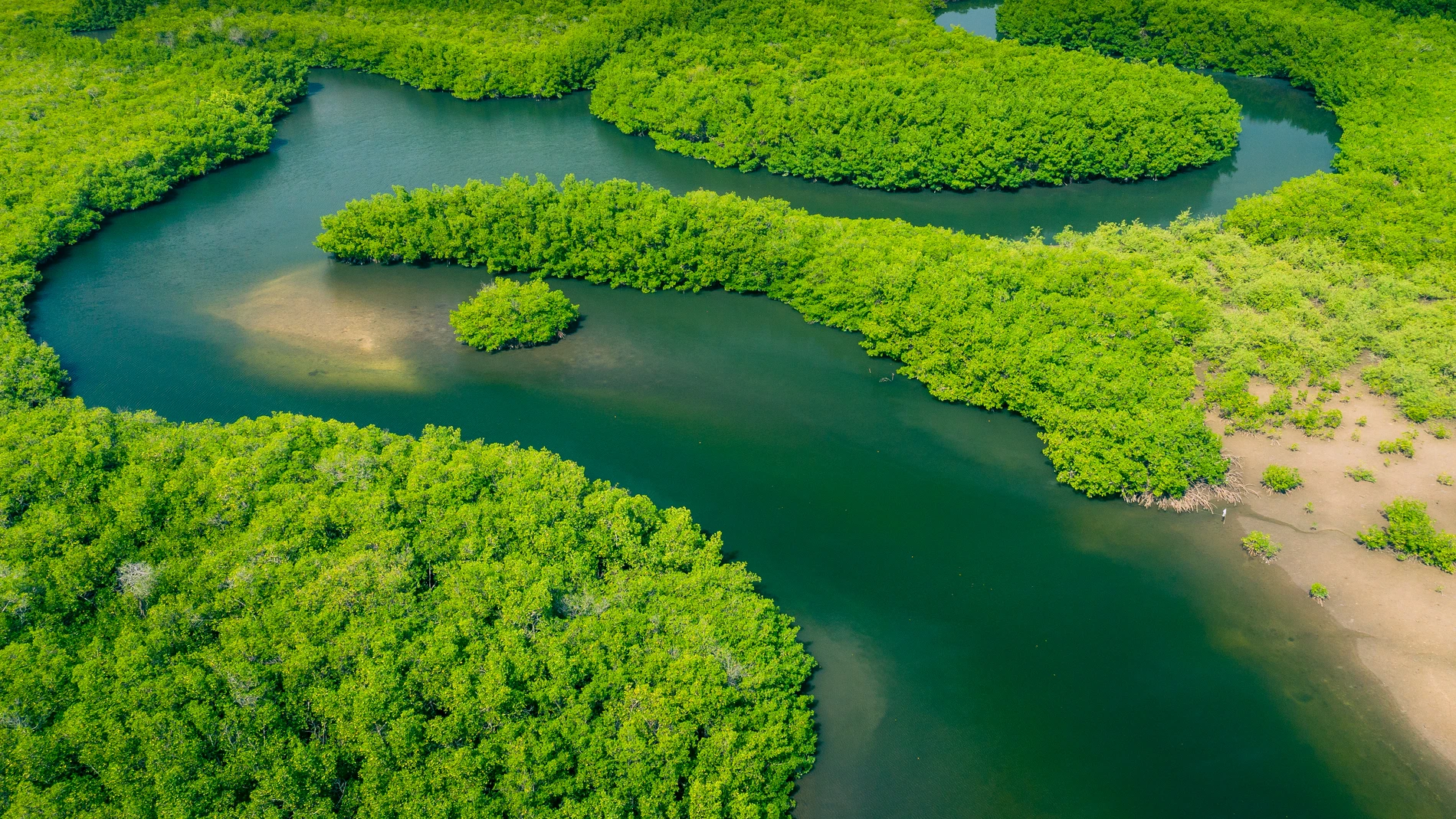
Monkey Island covers 450 hectares of primary Amazonian rainforest, meaning that a large portion of the island’s territory is untouched and maintains its original ecosystem. Beyond the primate contact area, the island is a dense, humid forest of giant trees, lianas, orchids, palm trees, and an extraordinary array of reptiles, birds, and insects.
In addition to the monkeys, the island shelters a great variety of Amazonian birds: macaws, parrots, toucans, herons, kingfishers, and dozens of other species that are best observed at dawn and dusk.
Getting There from Iquitos
Access to the island is by river from Bellavista-Nanay port, about 15 minutes from central Iquitos. The boat ride takes approximately 30 minutes, following the Nanay River and its tributaries to reach the island.
One of the highlights of the journey is the possibility of spotting river dolphins: both the gray dolphin (Sotalia fluviatilis) and the famous pink river dolphin (Inia geoffrensis) — endemic to Amazonian rivers — are frequently seen near boats on the way to the island.
How to Get There
Iquitos to Monkey Island: Boat — approximately 1 hour (from Bellavista-Nanay port)
Hours
- Monday to Sunday: 8:00 AM to 4:00 PM
- (Reference hours — verify before visiting)
Admission Price
- Adults: S/20.00 soles
- Children: S/10.00 soles
- Foreigners: S/30.00 soles
- (Reference prices — verify before visiting)