The Amazon is the world's mightiest river, born in the Peruvian Andes and flowing through Loreto, offering unparalleled ecotourism, wildlife watching, and river navigation experiences.
The Amazon River is born in the Peruvian Andes and travels more than 7,000 kilometers before emptying into the Atlantic Ocean. It is the most voluminous river on Earth, containing approximately one-fifth of all the liquid fresh water on the planet, with a drainage basin covering 7.4 million square kilometers. In Peru, the Peruvian stretch of the Amazon has Iquitos as its regional capital and principal gateway for tourism.
Visiting the Amazon in Loreto is one of the most transformative experiences Peru has to offer. Here, nature retains a scale and intensity that is difficult to find anywhere else in the world.
The River in the Peruvian Stretch
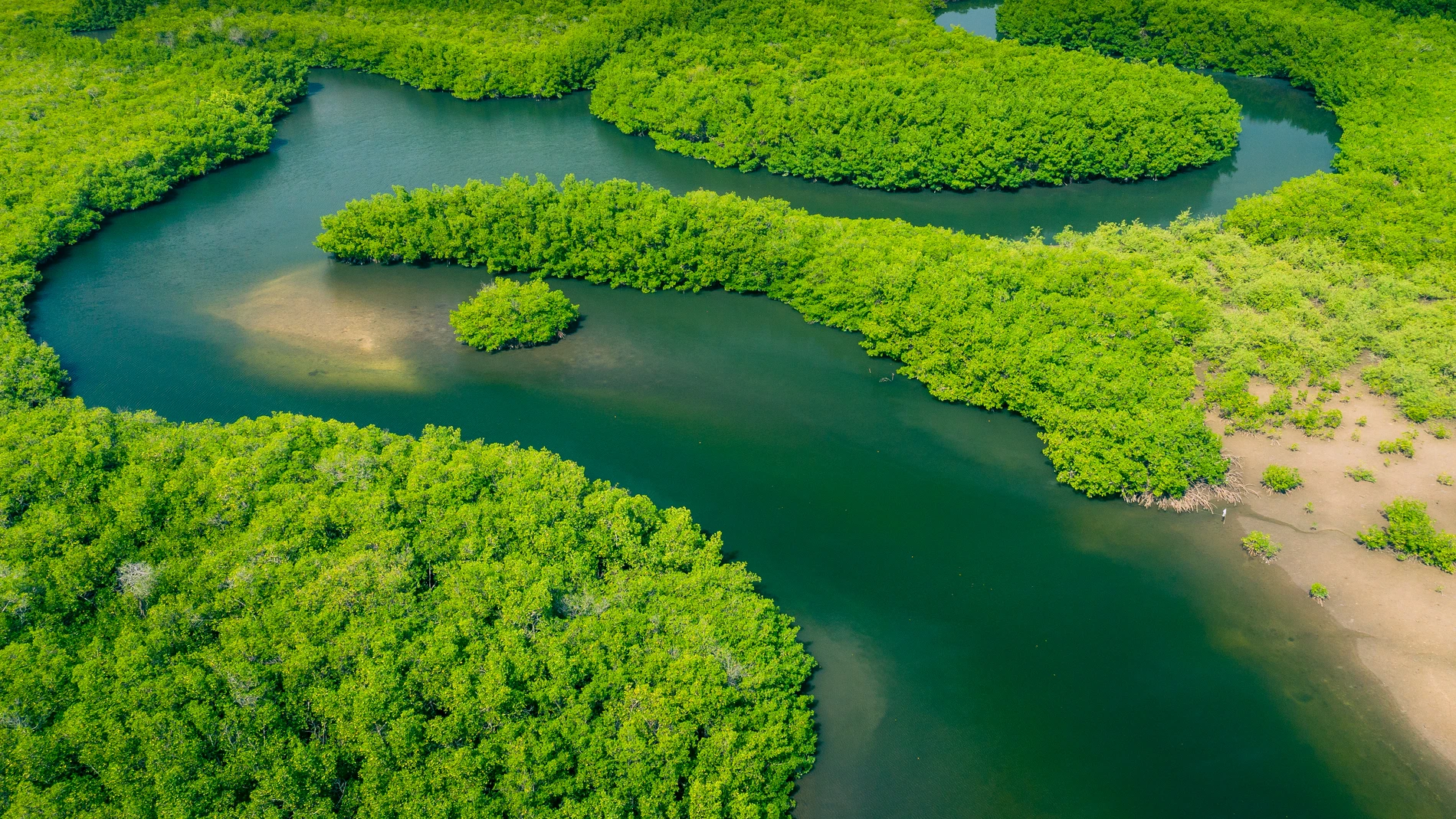
The Peruvian Amazon begins at the confluence of the Ucayali and Marañón rivers, near the town of Nauta, and flows eastward to the Brazilian border. Along this stretch, the river can reach several kilometers in width during the rainy season (December to May), when water levels rise up to 15 meters above low-season levels, turning the forest into a labyrinth of channels, cochas (lagoons), and floating islands of vegetation.
The city of Iquitos, capital of Loreto, is the largest city in the world with no road access — it can only be reached by plane or by river. Most tours and expeditions to the Amazon and its surrounding jungle depart from Iquitos.
Wildlife of the Peruvian Amazon
The Peruvian stretch of the Amazon and its tributaries harbor extraordinary biodiversity:
The pink river dolphin (bufeo colorado): the most iconic inhabitant of the Amazon and one of the only freshwater cetaceans in the world. They are commonly seen swimming alongside boats or feeding near the surface. In indigenous Amazonian culture, the pink dolphin is considered a sacred being with supernatural powers.
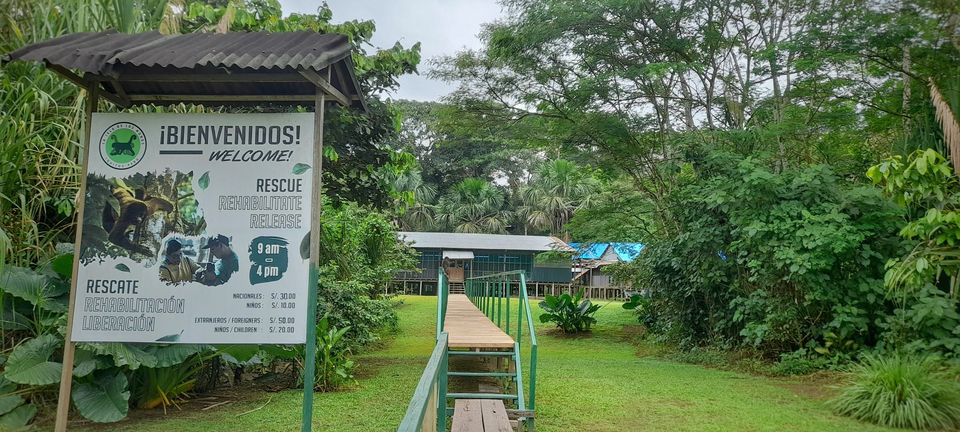
The Amazonian manatee: a herbivorous mammal in danger of extinction that inhabits the calm waters of lagoons and cochas. Rescue centers such as CREA in Iquitos work on their rehabilitation and release.
The piranha: found in schools in nearly all Amazonian rivers. Although its fearsome reputation is largely exaggerated, it is a key actor in the river ecosystem and a popular target for sport fishing.
The paiche (arapaima gigas): one of the largest freshwater fish in the world, capable of exceeding 3 meters in length and weighing more than 200 kg. It is an emblematic species of Amazonian fishing.
The anaconda: the heaviest snake on the planet inhabits the swamps, cochas, and riverbanks of the Amazon. Spotting one is one of the most sought-after experiences among ecotourists.
Beyond these, the forest canopy shelters hundreds of bird species — parrots, macaws, toucans, herons — while the flooded forest is home to howler monkeys, sloths, and caimans.
The Cochas: Lagoons of Life
Cochas are lakes formed in the old curves of the river, disconnected from the main channel. They are the richest ecosystems in the Amazon: home to giant water lilies (Victoria amazónica), charapa turtles, and a concentration of wildlife that has no equal anywhere in the world.
The Pacaya-Samiria National Reserve, located between the Ucayali and Marañón rivers, is the largest protected area in Peru with more than 2 million hectares. It is the ideal destination for exploring cochas and observing dolphins, parrots, caimans, and primates in their natural environment.
The Indigenous Peoples of the Amazon
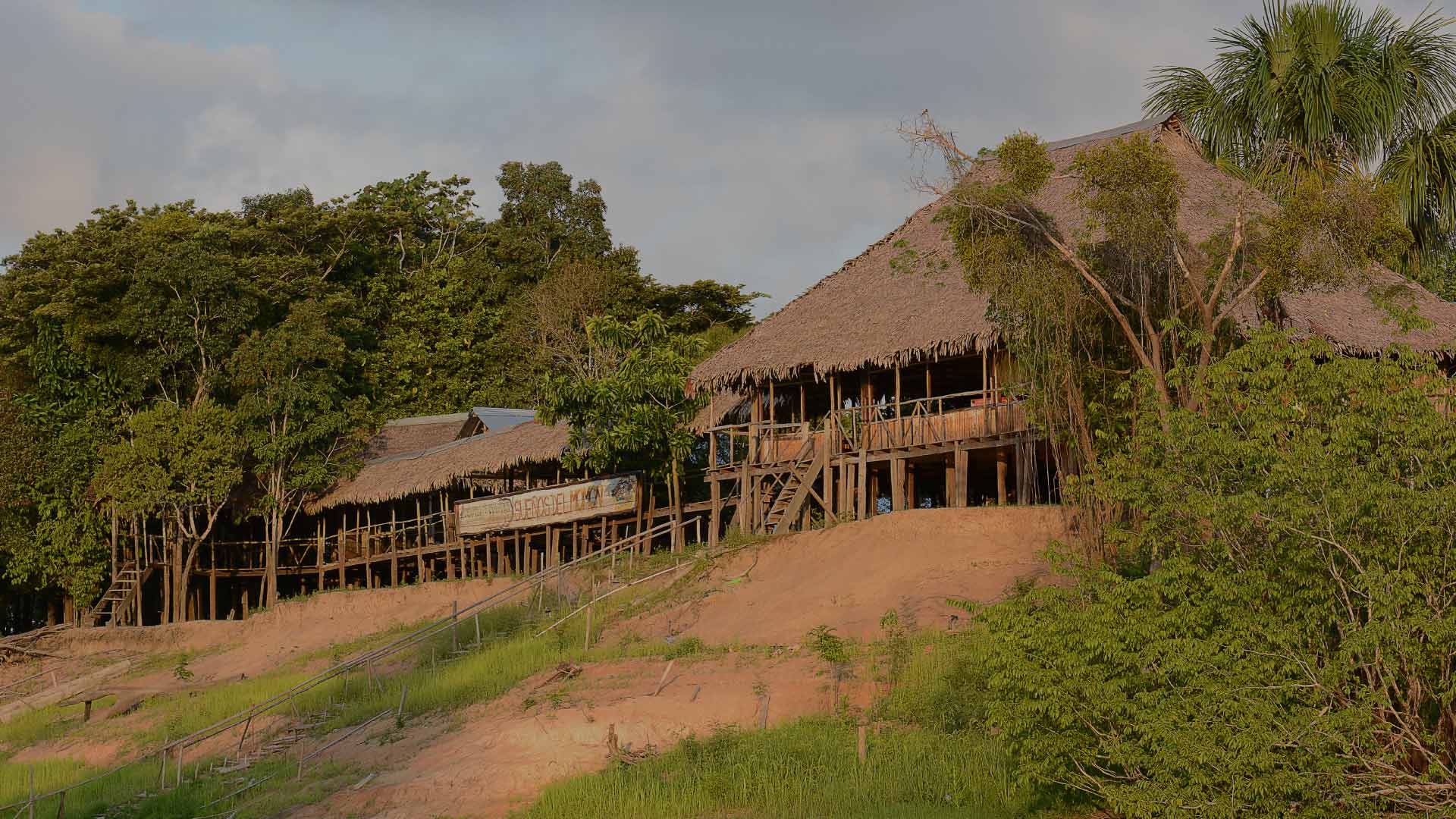
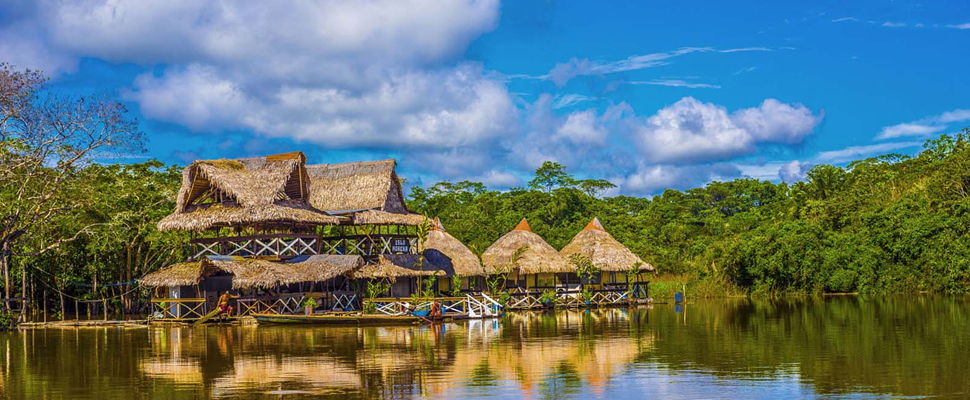
The Peruvian Amazon is the ancestral territory of dozens of indigenous peoples: the Tikuna, Yagua, Bora, Cocama, and Huitoto, among many others. Many communities offer immersive cultural tourism: visitors can sleep in traditional houses, learn about ancestral medicine, participate in barbasco fishing, and witness the traditional preparation of masato.
This type of tourism allows for genuine contact with cultures that have inhabited and cared for this ecosystem for millennia, and generates income that contributes directly to community economies.
Tips for Visiting
- The best time to visit is the dry season (June to November), when lower river levels make it easier to spot wildlife on the beaches and riverbanks.
- Book your tour with certified operators in Iquitos; the experience varies greatly depending on the guide and type of accommodation (jungle lodge vs. sleeping boat).
- Bring insect repellent, sunscreen, and long-sleeved clothing.
- If you want to spot nocturnal wildlife (caimans, frogs), make sure your tour includes nighttime boat excursions.
How to Get There
Lima to Iquitos: Flight — approximately 1 hour 40 minutes
Lima to Tarapoto (alternative gateway): Flight — approximately 1 hour 25 minutes
Hours
- Depends on the operator
Admission Price
- Depends on the operator