The Callejón de Huaylas is a 180 km valley between the Cordillera Blanca and the Cordillera Negra in Áncash, gateway to the highest peaks in Peru.
The Callejón de Huaylas is a narrow Andean valley stretching 180 kilometers between the Cordillera Blanca and the Cordillera Negra, northeast of Lima, revealing its splendor to all who venture into it.
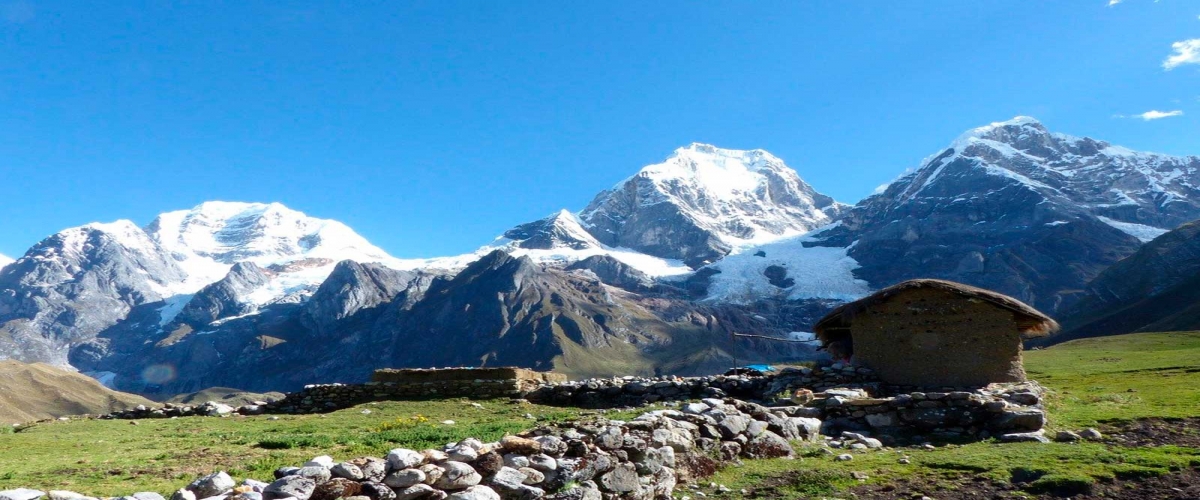
The valley borders the Cordillera Negra to the west and the Cordillera Blanca to the east. The Cordillera Negra, a mountain range reaching up to 5,100 meters above sea level, is characterized by its lack of snow. The Cordillera Blanca, by contrast, holds the greatest concentration of tropical glaciers in the world, with more than 600 glaciers and 27 peaks exceeding 6,000 meters in altitude.
A Valley with Ancient History
The Callejón de Huaylas has been inhabited since time immemorial. The earliest human settlements in this region date back more than 10,000 years. The area was later home to the Recuay Culture, a pre-Inca civilization known for its distinctive ceramics and complex terrace farming systems. The region was eventually incorporated into the Inca Empire, which left numerous archaeological traces throughout the valley.
During the colonial period, the Callejón de Huaylas became an important trade route between the coast and the interior of the country. Its main cities — Huaraz, Caraz, Carhuaz, and Yungay — still retain an authentic Andean character blended with colonial influence.
Huaraz: The Heart of the Valley
Huaraz is the capital of the Áncash region and the natural starting point for exploring the Callejón de Huaylas. Located at 3,090 meters above sea level, it is known as the “Capital of Andean Mountaineering in Peru” for the enormous number of trekking and climbing routes that begin here.
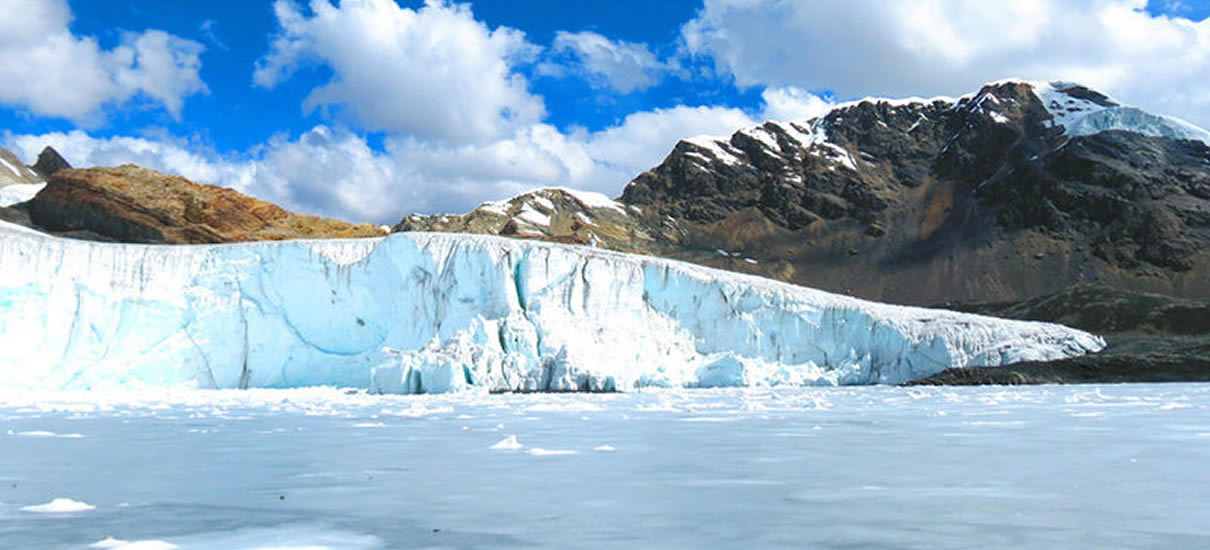
The city was almost completely destroyed by the earthquake of 1970 — one of the most devastating in South American history — but was rebuilt and is now a modern city that receives thousands of national and international tourists every year. From Huaraz, tours are organized to Chinancocha Lagoon (Llanganuco), Pastoruri Glacier, Lake Querococha, and dozens of other destinations.
Yungay and the Tragedy of 1970
A few kilometers from Huaraz lies the city of Yungay — or rather, what was Yungay. On May 31, 1970, an avalanche triggered by the earthquake of the same day buried the old city under tons of mud and ice, killing more than 25,000 people in minutes. The burial site was declared a Camposanto (sacred burial ground) and is now a place of memory and reflection that visitors can explore. The new city of Yungay was rebuilt one kilometer from the original site.
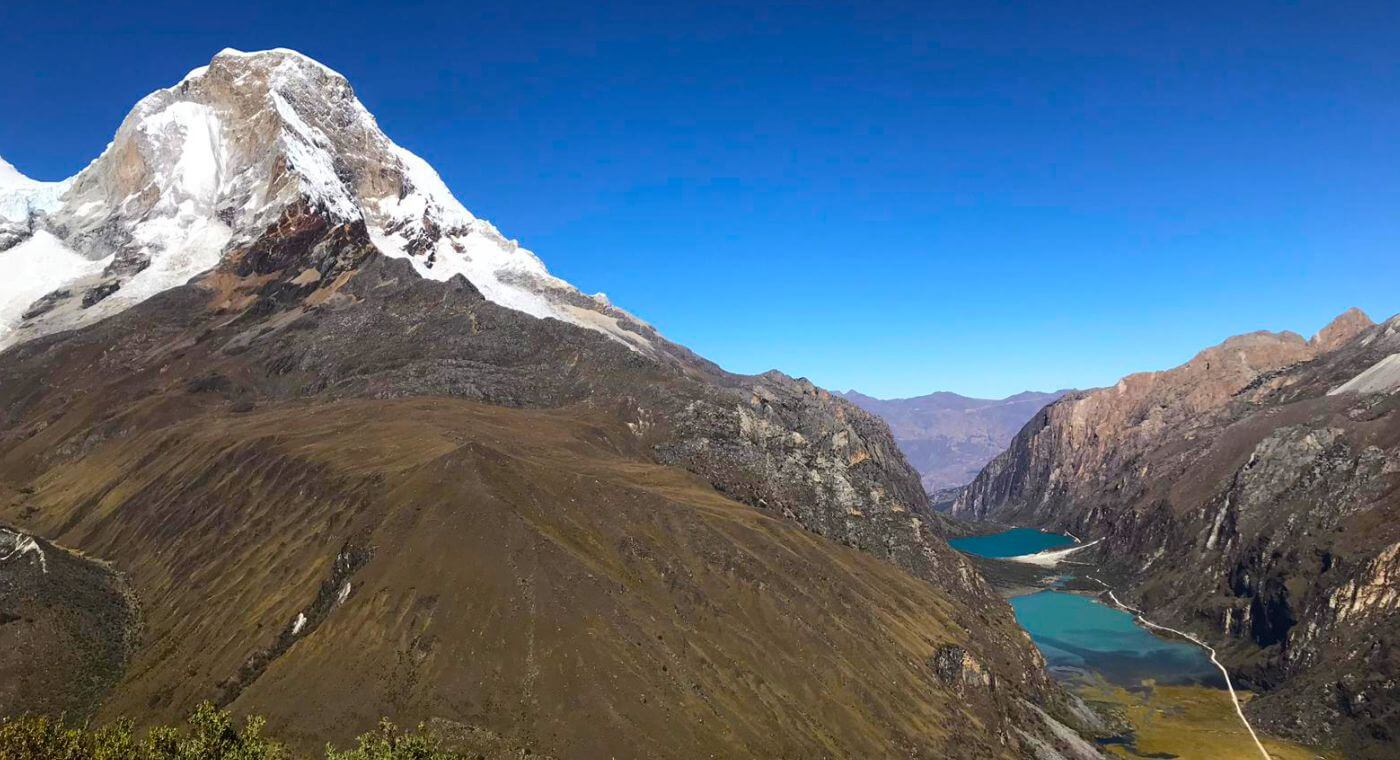
Near Yungay lies the access to the famous Llanganuco Lagoons, one of the most visited destinations in the national park.
Caraz: The Quietest Town in the Valley
At the northern end of the valley lies Caraz, known as the “sweet land of Caraz” for its famous milk-based sweets sold throughout the region. It was the city least affected by the 1970 earthquake and retains its nearly intact colonial architecture.
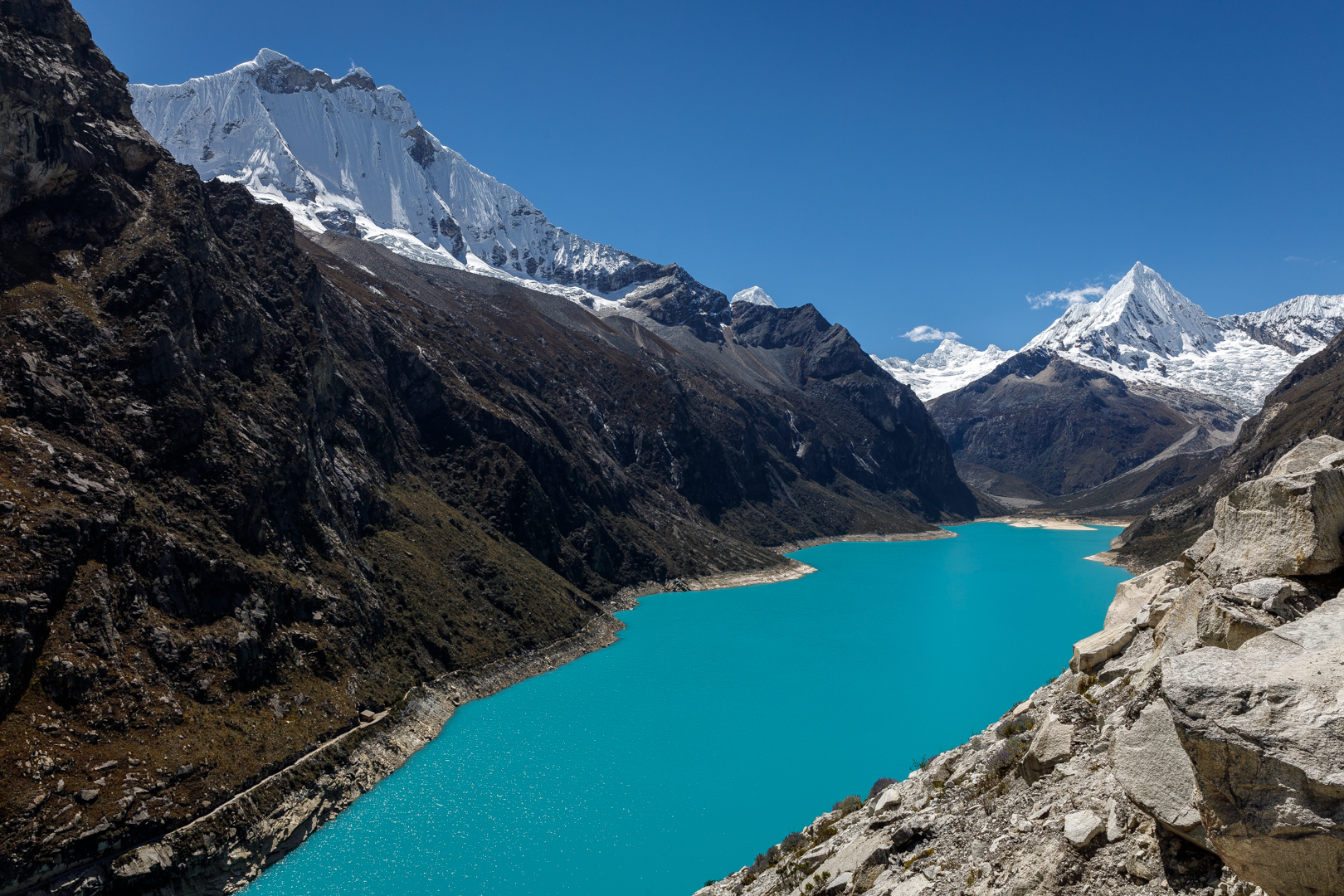
From Caraz you can access Lake Parón, the largest glacial lake in the Cordillera Blanca, and the imposing Cañón del Pato, a narrow gorge through which the Santa River flows and where a hydroelectric plant is located.
Activities and Adventure Sports
The Callejón de Huaylas is the premier destination for nature and adventure tourism in Peru:
- Trekking: the region offers dozens of trails of varying difficulty. The most famous is the Santa Cruz Circuit, a 4-day hike through the Cordillera Blanca.
- Mountaineering: the Cordillera Blanca has peaks for all skill levels, from Pisco (5,752 m) for beginners to Huascarán (6,768 m) for experienced climbers.
- Hot springs: the Monterrey and Chancos hot springs are natural thermal baths that are easily accessible and very popular.
- Mountain biking: the routes between valley towns offer spectacular scenery.
- Kayaking and rafting: the Santa River and certain sections of the Cañón del Pato are suitable for water sports.
How to Get There
Lima – Carhuaz
Flight: approx. 1 hour
Huaraz – Callejón de Huaylas
Bus: approx. 1 hour 30 minutes
Hours
- Depends on the operator
Admission Price
- Depends on the operator
Tourist Activities
-
Chancos hot springs
-
Cañón del Pato hike