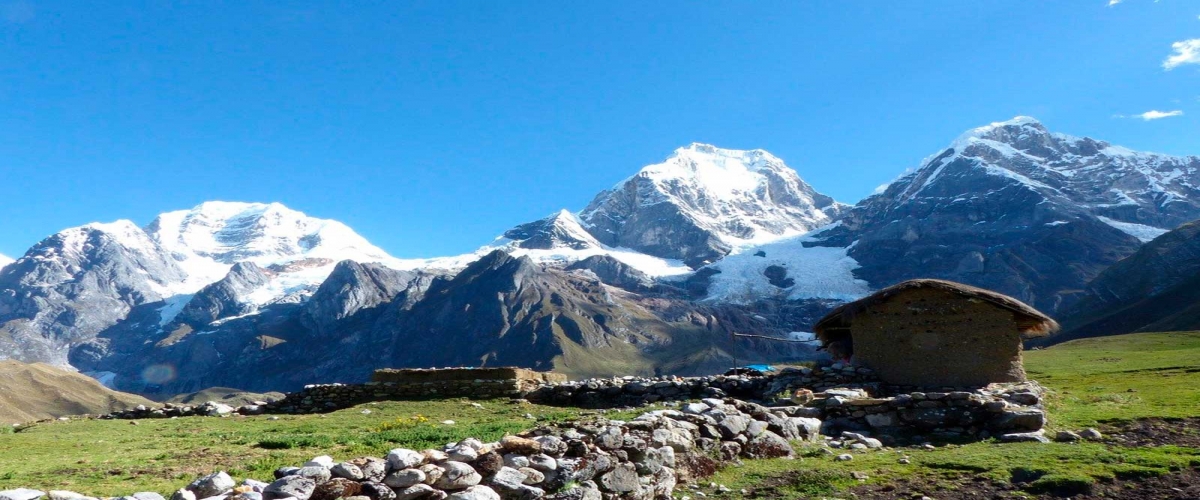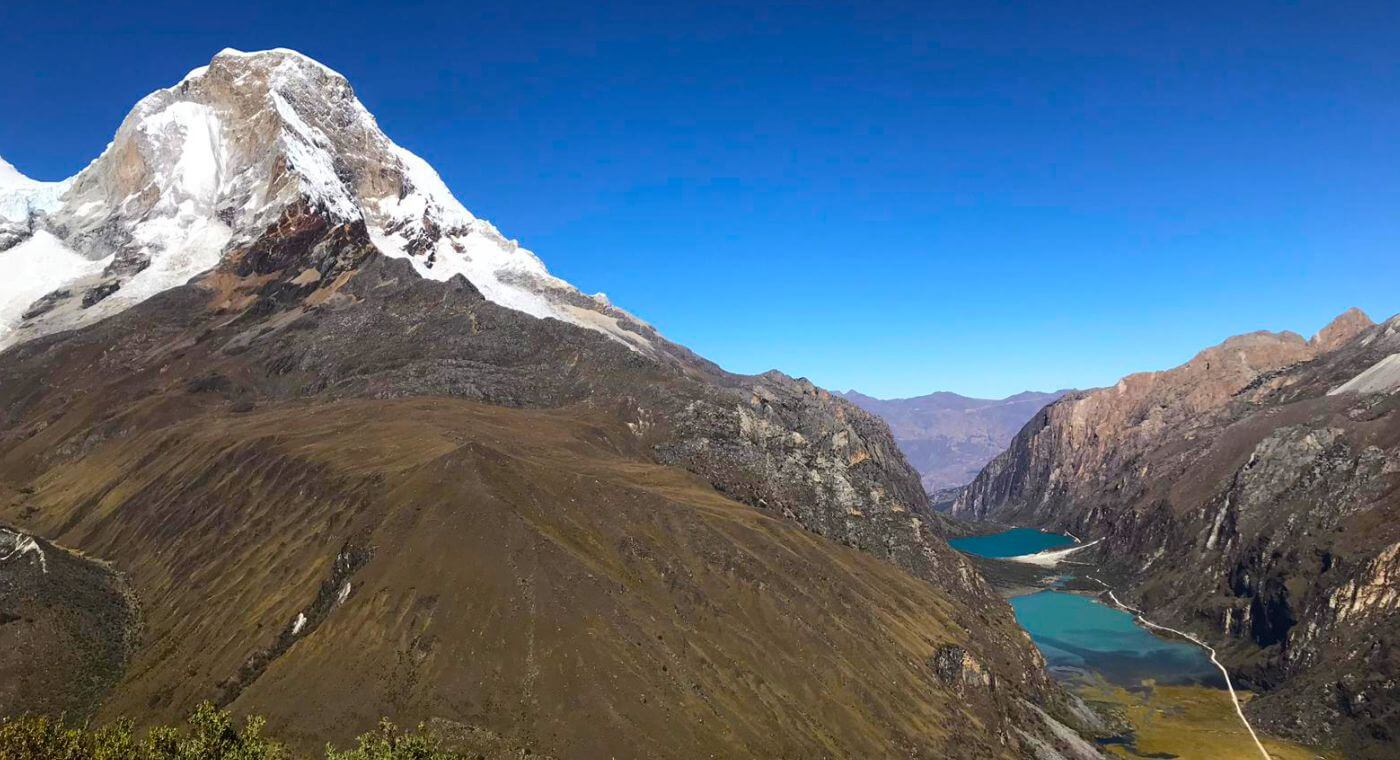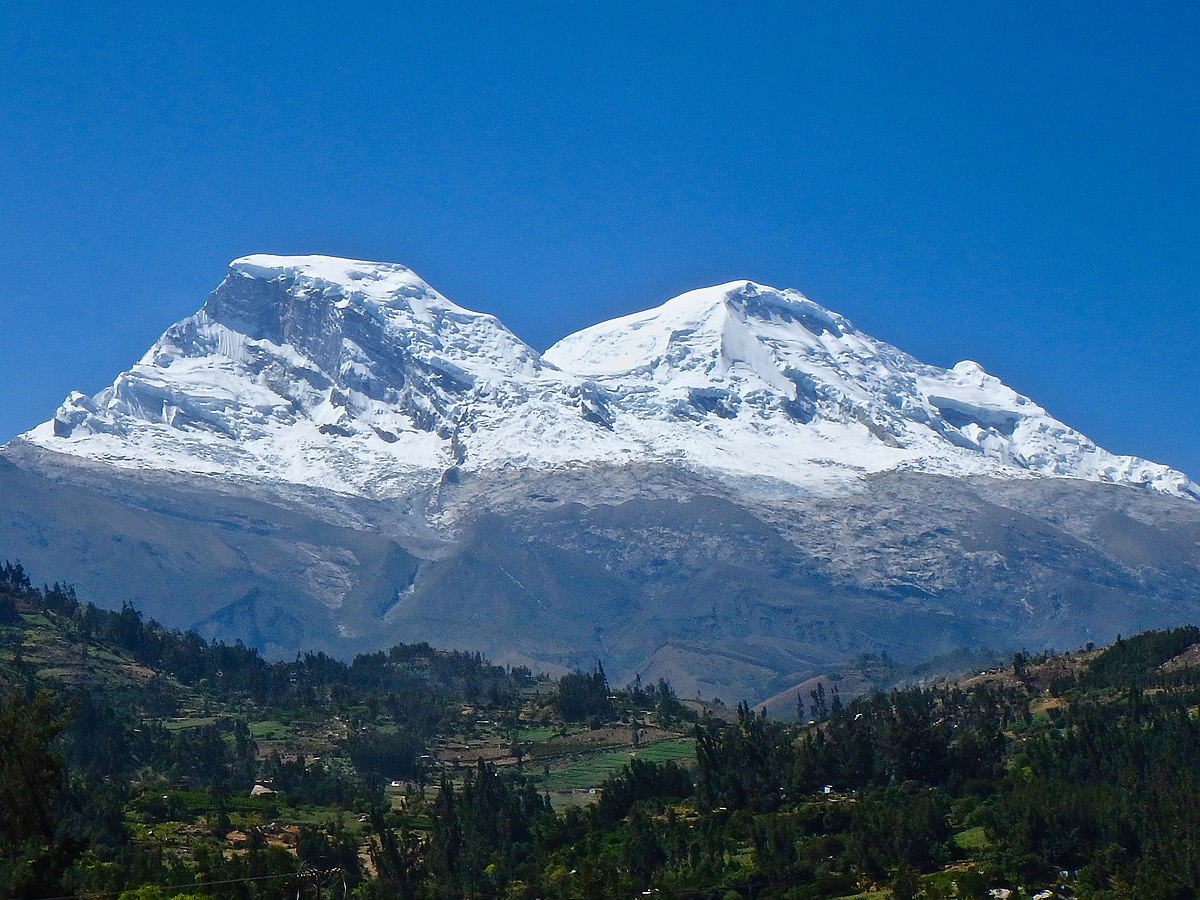
Huascarán National Park in Áncash is a UNESCO World Heritage Site and home to the Cordillera Blanca with 27 peaks above 6,000 m, including Huascarán.
Huascarán National Park is located in the Áncash region of Peru, spanning the provinces of Yungay, Huaraz, Carhuaz, Huaylas, Recuay, Bolognesi, Pomabamba, Huari, Mariscal Luzuriaga, and Asunción.
It was established in 1975 and declared a UNESCO Biosphere Reserve in 1977 and a Natural World Heritage Site in 1985. Covering 340,000 hectares, it is one of the most important national parks in South America and the heart of the Cordillera Blanca, the highest tropical mountain range in the world.
The Roof of the Tropical Andes
Huascarán National Park is home to the highest glaciated peak in the tropical Andes: Huascarán (6,768 m), which is also the highest point in Peru and the fourth highest in all of the Americas. This colossal mass of ice and rock dominates the Cordillera Blanca landscape and is visible from much of the Callejón de Huaylas.
In addition to Huascarán, the park protects more than 27 summits exceeding 6,000 meters and over 600 glaciers that form the greatest concentration of tropical glaciers in the world. These ice masses are the water source for millions of people on the Peruvian coast and in the interior of the country.
Exceptional Biodiversity
Despite its extreme conditions of altitude and cold, Huascarán National Park harbors remarkable biodiversity:
Notable Flora:
- Puya Raimondi (Puya raimondii): the park’s most emblematic plant. It can reach 12 meters in height and is the largest member of the Bromeliaceae family in the world. It blooms only once in its lifetime — between 40 and 100 years — producing up to 20,000 flowers before dying. Huascarán Park has the most important stands of this species.
- Queñuales (Polylepis): forests of this Andean tree, which grows at higher altitudes than any other tree in the world, reaching up to 5,000 meters.
- More than 779 species of vascular plants, many of them endemic.
Fauna:
- Andean condor (Vultur gryphus): the largest flying bird in the world. It can be spotted soaring over the park’s valleys.
- Spectacled bear (Tremarctos ornatus): the only bear in South America, listed as a vulnerable species.
- Puma (Puma concolor): present in the most remote areas.
- Vicuña (Vicugna vicugna): the finest wild camelid, whose wool was reserved for the Inca in pre-Columbian times.
- Taruca (Hippocamelus antisensis): the Andean deer, a threatened species.
- More than 112 bird species, including the torrent duck, Andean flamingo, and Andean condor.
The Park’s Main Attractions
Llanganuco Lagoons: the most visited destination in the park. Two turquoise lagoons at the foot of Huascarán and Huandoy. See the dedicated section on this destination for more details.
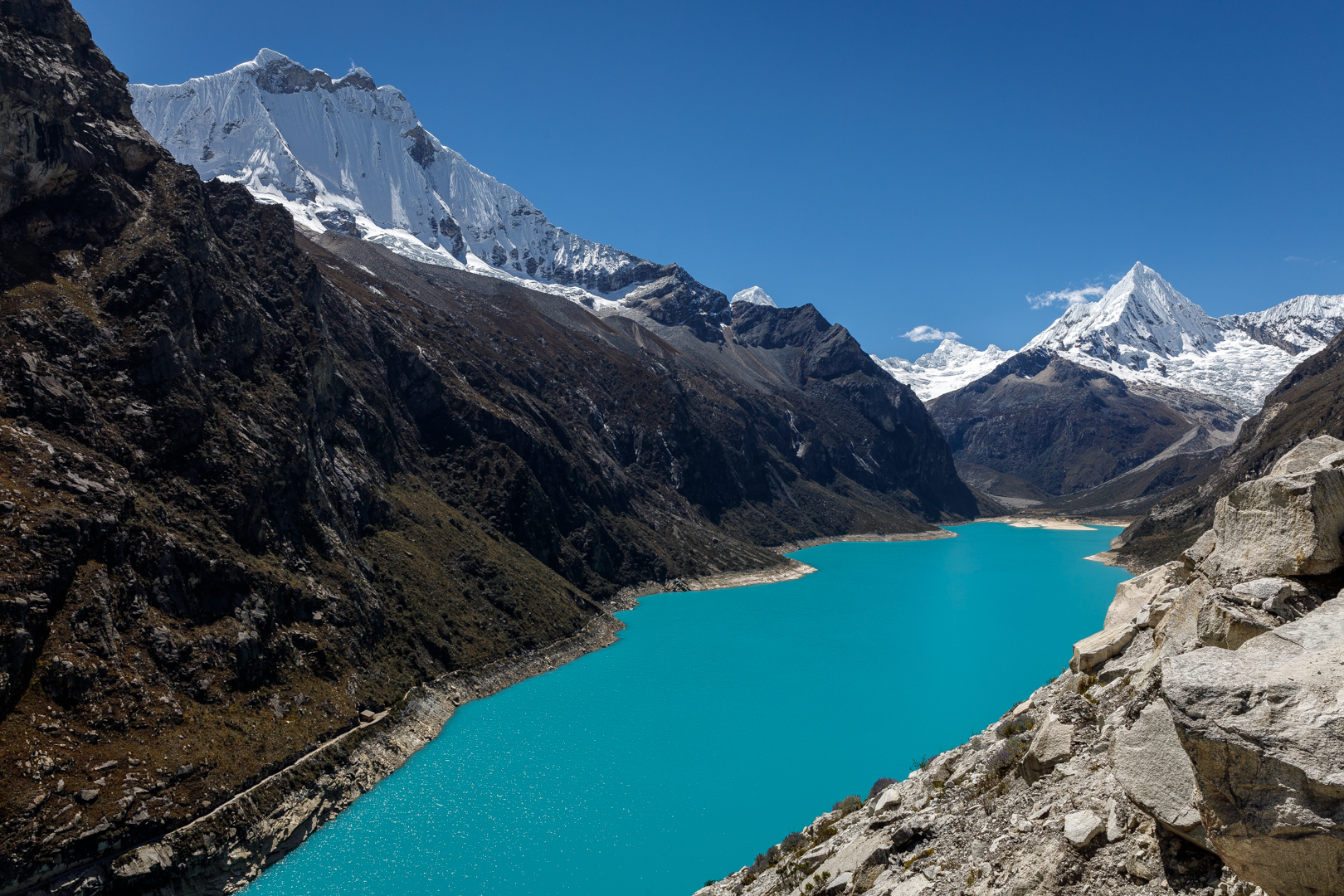
Lake Parón: the largest glacial lake in the Cordillera Blanca, near Caraz. Its waters reflect the Artesonraju glacier and other peaks above 6,000 meters.
Pastoruri Glacier: one of the few glaciated summits accessible without technical climbing equipment, though the glacier is in notable retreat. The route has been designated the “Route of Climate Change.”
Laguna 69: considered by many to be the most beautiful lagoon in the park, its intense blue waters contrast with a waterfall dropping from the Chacraraju glaciers. The hike to reach it is demanding but deeply rewarding.
33 archaeological sites: the park also protects cultural heritage, with vestiges of the Recuay Culture and other pre-Inca peoples who inhabited these mountains.
Mountaineering and Trekking
Huascarán National Park is the top mountaineering destination in South America. Every year it attracts hundreds of international climbers who come to ascend its peaks. The most popular routes include:
- Pisco (5,752 m): the most accessible glacier for those beginning high-altitude mountaineering.
- Chopicalqui (6,354 m): a technical summit of medium-high difficulty.
- Huascarán Sur (6,768 m): the highest peak in Peru, a serious expedition requiring experience and specialized equipment.
For those who prefer trekking, the Santa Cruz Circuit is the most famous route: a 4 to 5-day walk through the Cordillera Blanca passing by lagoons, glaciers, and remote villages.
How to Get There
Lima – Áncash
Flight: approx. 1 hour
Áncash – Huascarán National Park
Bus: approx. 2 hours
Hours
-
9:00 AM to 5:00 PM
-
Approximate schedule
Admission Price
-
Foreigners S/30.00 soles
-
Peruvian adults S/11.00 soles