Mundo Alpaca in Arequipa is a cultural center where you can meet alpacas and vicuñas, learn about the Andean weaving process, and purchase high-quality fine-fiber textiles.
At Mundo Alpaca - Arequipa, you can interact with alpacas in a beautiful natural setting and learn the techniques of fiber sorting, dyeing, and weaving using traditional backstrap looms — just as Peru’s ancient weavers did. And in their shop, you can purchase elegantly designed garments that showcase this precious fiber at its finest.
Peruvian textiles have thousands of years of history, and today we have access to fine alpaca and vicuña wool fabrics considered among the most refined in the world.
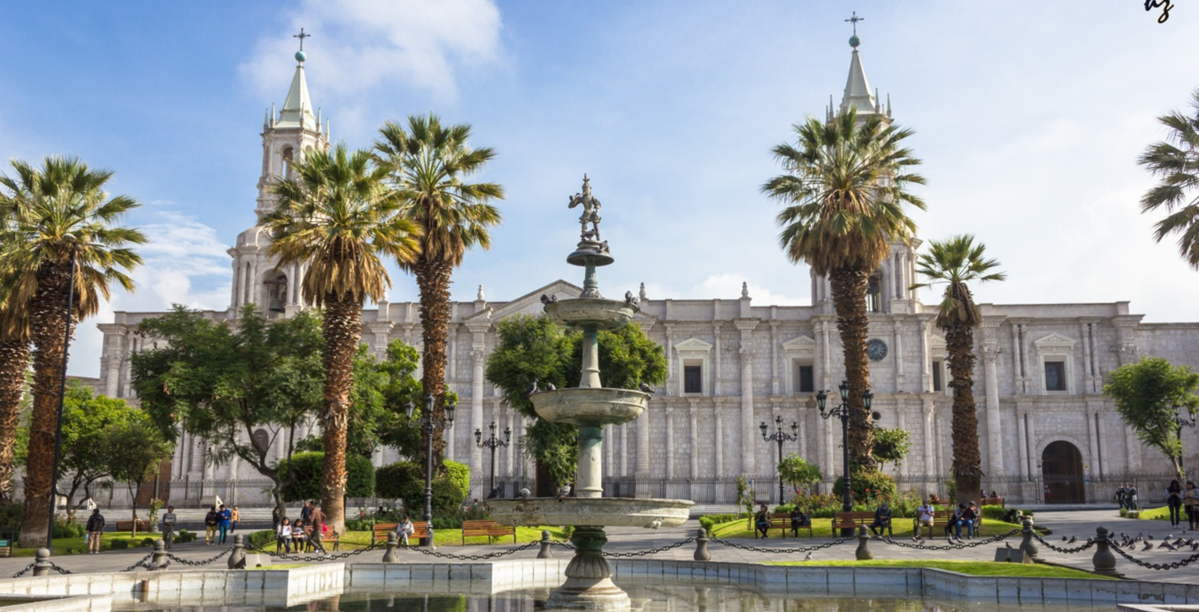
Mundo Alpaca represents a major cultural and tourism contribution to the White City — the world capital of alpaca — bringing Peru’s millennia-old cultural heritage to visitors from around the globe, and allowing them to appreciate the experience of interacting directly with these animals in a beautiful natural setting, as well as witnessing the fiber classification process firsthand.
History of Andean Textiles
The textile tradition in the Peruvian Andes dates back more than 5,000 years. The ancient inhabitants of this region mastered the art of working camelid fiber long before the arrival of the Incas. During the Inca Empire, textiles made from vicuña and alpaca wool were considered luxury objects reserved for nobility and priests. Today, Mundo Alpaca keeps that millennia-old heritage alive.
The Camelids of Mundo Alpaca
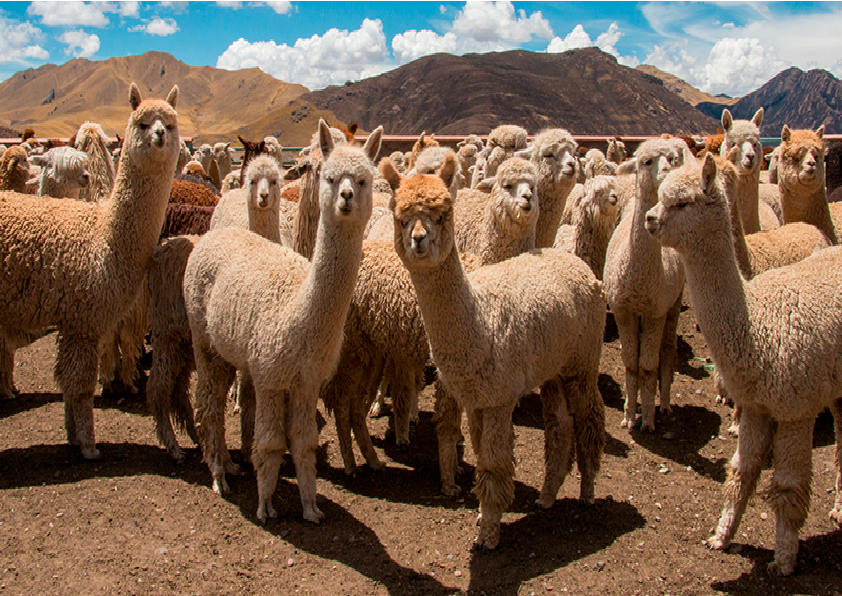
Mundo Alpaca is home to all four species of South American camelids: the alpaca, the llama, the vicuña, and the guanaco. Each has unique characteristics and produces fibers of different quality. The vicuña, the finest of all, produces a fiber so delicate that historically only the Inca was permitted to use it. The alpaca is the most common, and its fiber is prized worldwide for its softness and durability.
During the visit, guides explain the differences between each species, how they are cared for, and how the shearing process works — which occurs only once a year so as not to harm the animal.
The Textile Process: From Animal to Fabric
One of the most captivating aspects of Mundo Alpaca is the opportunity to observe and take part in the complete fiber transformation process. The tour includes:
- Fiber sorting: the fiber is separated by fineness and color, a process that requires considerable expertise.
- Washing and drying: the fiber is carefully cleaned to preserve its natural properties.
- Natural plant dyeing: roots, flowers, and Andean minerals are used to achieve vibrant colors without artificial chemicals.
- Spinning on a spinning wheel: the fiber is turned into thread using techniques unchanged for centuries.
- Backstrap loom weaving: artisans demonstrate how each garment is created with incredible precision.
This process allows visitors to truly understand the real value of each piece and the time required to create it.
The Shop and Products
At the end of the tour, the Mundo Alpaca store offers a wide variety of products made from 100% natural fiber: sweaters, ponchos, scarves, blankets, gloves, and accessories of all kinds. Prices are competitive and quality is guaranteed, as everything is produced in their own workshops. It is an ideal place to take home an authentic memento of Arequipa.
What to Bring and Recommendations
- Wear comfortable clothing; the tour includes outdoor areas.
- If you have children, they will especially enjoy interacting with the animals.
- Going in the morning is recommended when the camelids are most active.
- You can complement the visit with the Santa Catalina Monastery or the Yanahuara Viewpoint, both of which are nearby.
How to Get There
Lima – Arequipa
Flight: approx. 1 hour 25 minutes
Hours
-
Monday to Friday: 8:30 AM to 6:30 PM
-
Saturday: 9:00 AM to 6:30 PM
Admission Price
- Free admission