Choquequirao, the Inca 'cradle of gold,' is a citadel on the slopes of the Salcantay mountain range in Cusco, considered the twin of Machu Picchu and accessible only on foot.
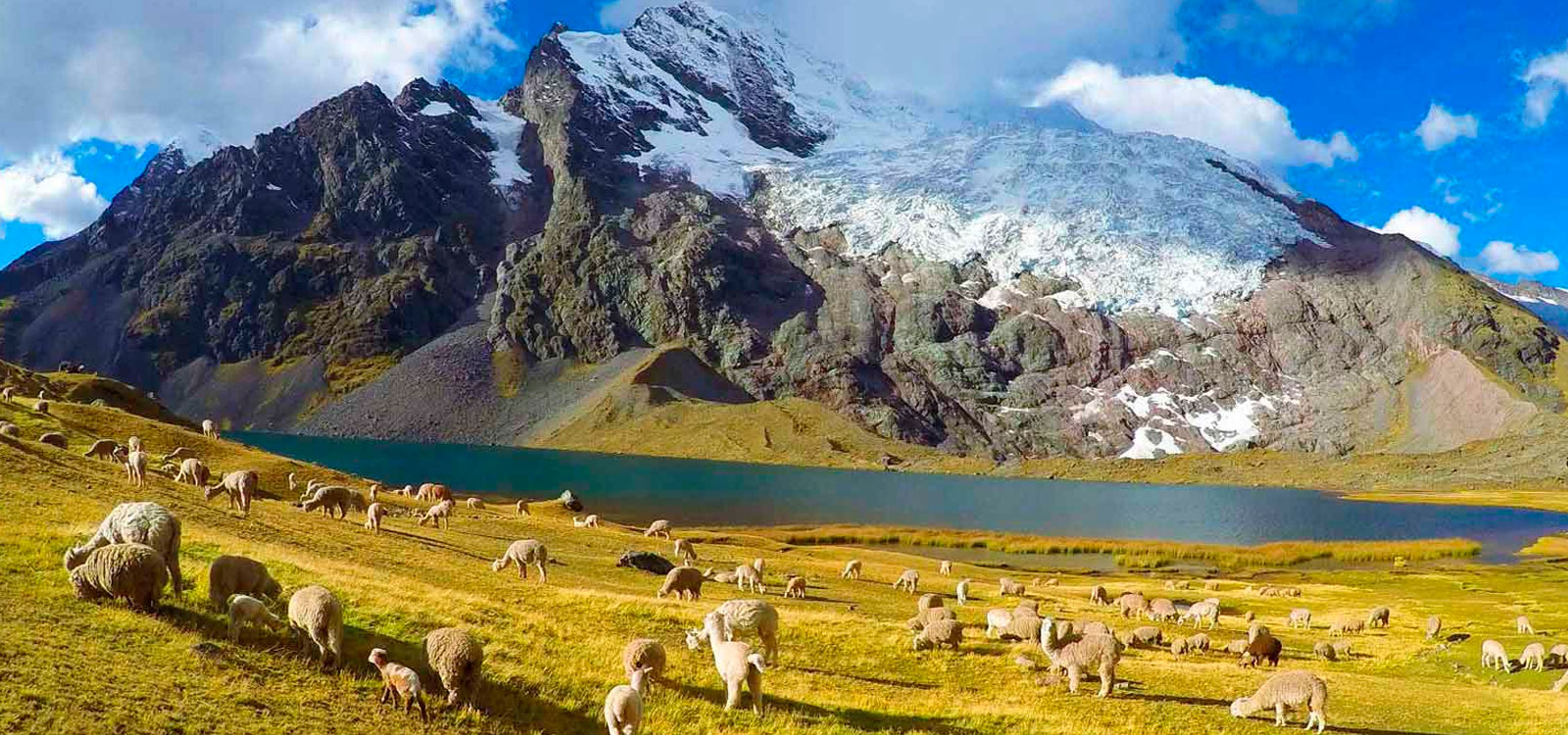
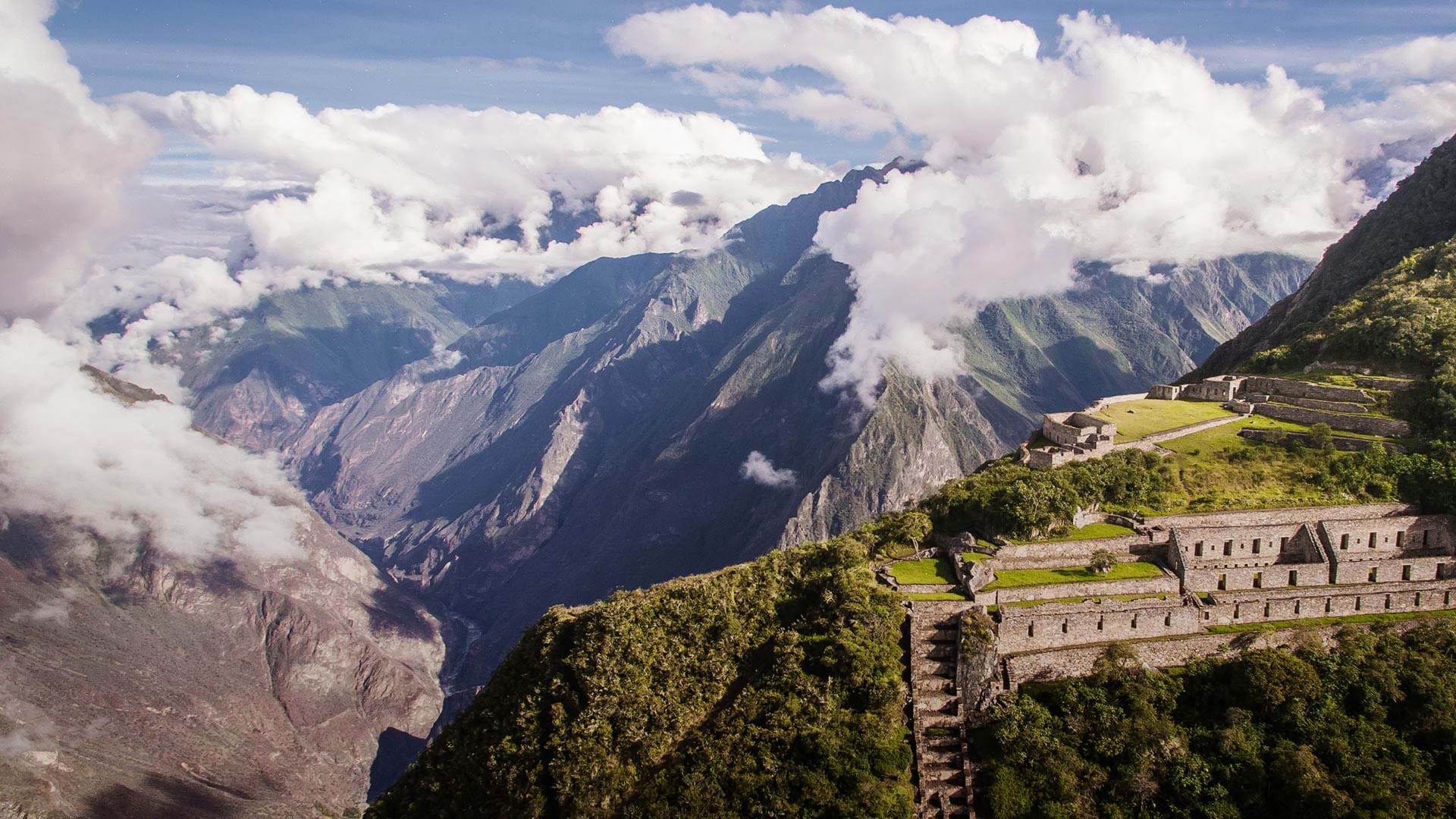
Choquequirao (meaning “cradle of gold” in Quechua) is the archaeological remains of an Inca city located on the snow-covered slopes of the Salcantay mountain range, in the province of La Convención, Cusco region, in southern Peru. The citadel sits at 3,085 meters above sea level and is surrounded by deep valleys and mountain landscapes of extraordinary beauty.
Dramatically perched above the snowy peaks of the Salcantay tributaries, the city went undiscovered by the outside world for nearly four centuries, making it a popular destination for archaeologists, explorers, and adventure seekers.
A Machu Picchu Without the Crowds
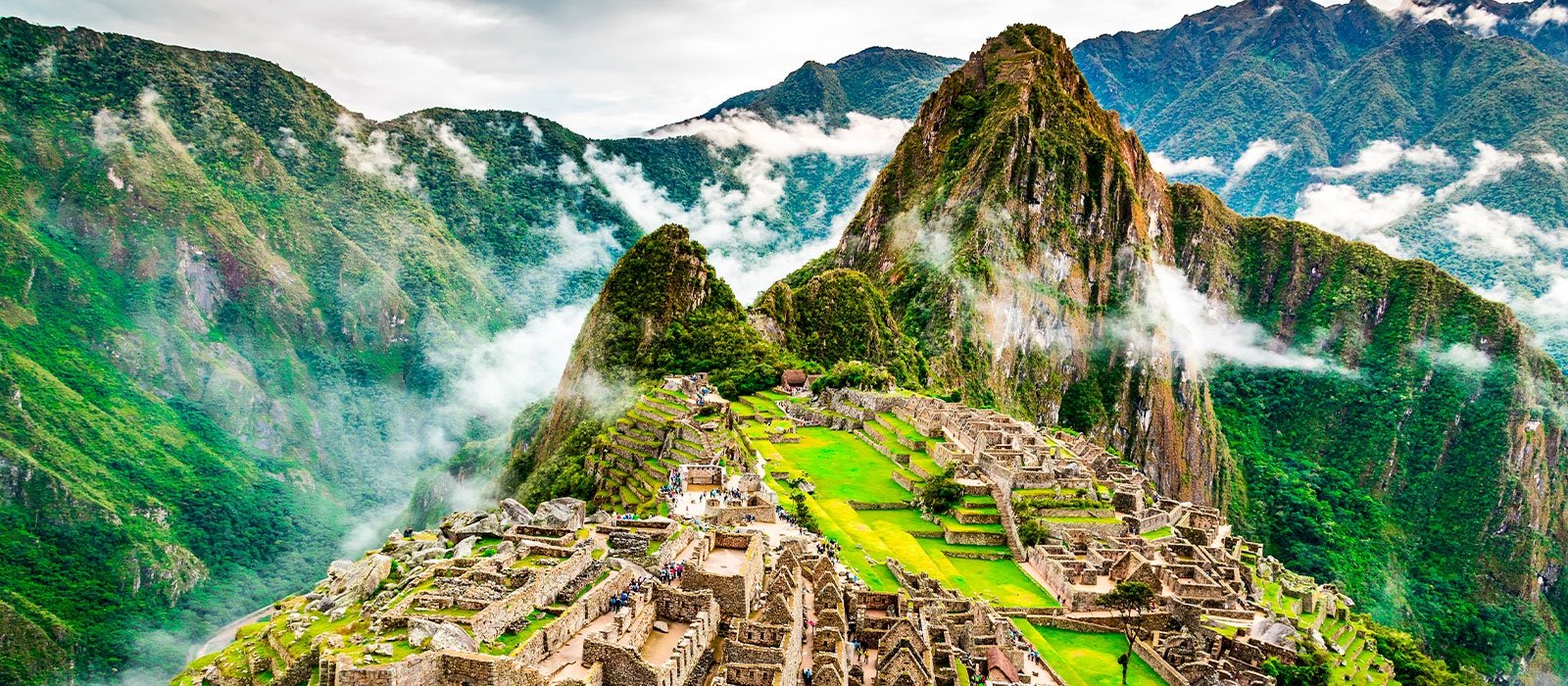
Choquequirao is often called the “secret Machu Picchu” or the “forgotten twin of Machu Picchu.” The similarities are striking: both are large-scale Inca cities built on mountain ridges with sophisticated urban planning. Yet there is one fundamental difference: while Machu Picchu receives more than a million visitors per year, Choquequirao can only be reached on foot after a hike of at least two days from the village of Cachora.
This limited accessibility has kept the site from being overrun, lending it an aura of adventure and discovery that Machu Picchu can no longer offer. Only approximately 30% of the site has been excavated and restored, meaning much of Choquequirao remains hidden beneath vegetation, waiting to be rediscovered.
History of Choquequirao
Construction of Choquequirao is believed to have begun around 1536, during the reign of Inca Tupac Inca Yupanqui, and was continued by Huayna Capac. Some researchers believe it served primarily as a royal palace and agricultural production center for the Inca elite.
When the Spanish conquered Cusco in 1533, the Incas who resisted the conquest took refuge in the Vilcabamba area, using Choquequirao and its surrounding valleys as a base for shelter and resistance. The last rebel Inca, Túpac Amaru I, was captured in 1572 in the vicinity of this region.
Choquequirao was first mentioned by Spanish conquistadors in the 17th century, but was not formally explored until the 20th century. The first scientific expedition was carried out by Hiram Bingham (the same explorer who “discovered” Machu Picchu) in 1909, and later by French anthropologist Paul Fejos in the 1940s.
Description of the Archaeological Site
Choquequirao is organized into several sectors distributed along the mountain ridge:
The Great Plaza (Aucaypata): the central space of the citadel, surrounded by ceremonial and residential buildings. The structures are built with finely cut and fitted stone blocks in the characteristic Inca style.
The agricultural terraces (andenes): Choquequirao has some of the most spectacular terraces in the Inca world. The most unique are the llama terraces, decorated with bas-relief figures of llamas and Andean camelids carved into the stone retaining walls. They are unique in all known Inca architecture.
The Ushnu: the main ceremonial platform from which the Inca presided over rituals and observed ceremonies.
The residential zones: clusters of buildings that housed the nobility and priests who served in the temple.
The aqueducts: a sophisticated system of canals and fountains that carried water from distant springs to the interior of the citadel.
The Trek to Choquequirao
Getting to Choquequirao is an adventure in itself. The most common route departs from the village of Cachora (in the province of Abancay, Apurímac) and takes between 2 and 4 days of hiking depending on pace and chosen itinerary.
The trail descends to the bottom of the Apurímac River canyon (at 1,500 m) and then climbs back up to the citadel — a total elevation change of more than 1,500 meters. The trek is demanding but extraordinarily beautiful, with views of snow-capped peaks, deep canyons, and vegetation that transitions from the quechua zone to the puna.
How to Get There
Cusco – Choquequirao
Bus: approx. 3 hours to the district of Cachora (Apurímac)
Then 30 km on foot
Hours
- Monday - Saturday: 8:00 AM to 5:30 PM
- Approximate schedule
Admission Price
- Adult S/60.00 soles
- University student S/30.00 soles
- Approximate prices