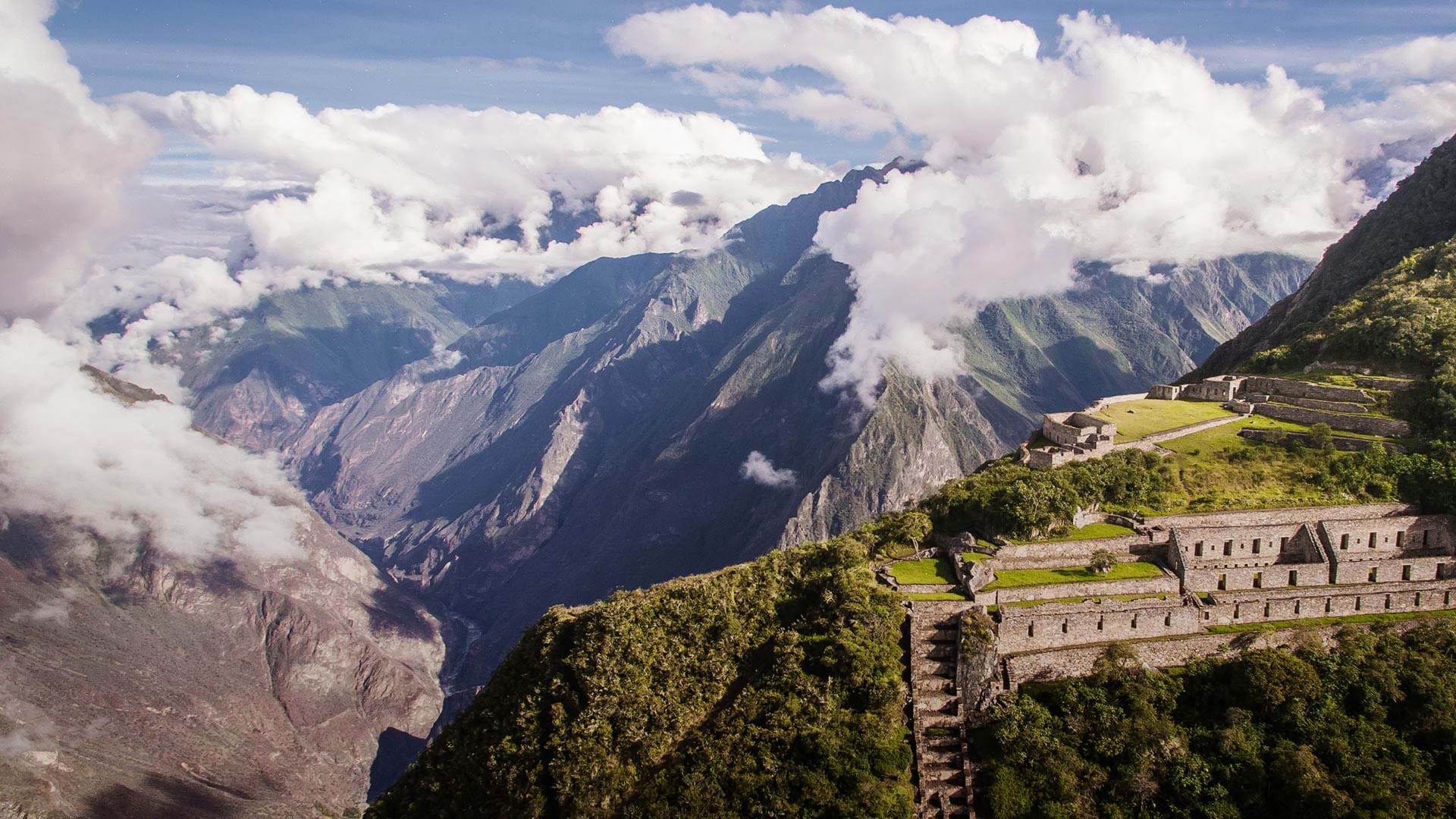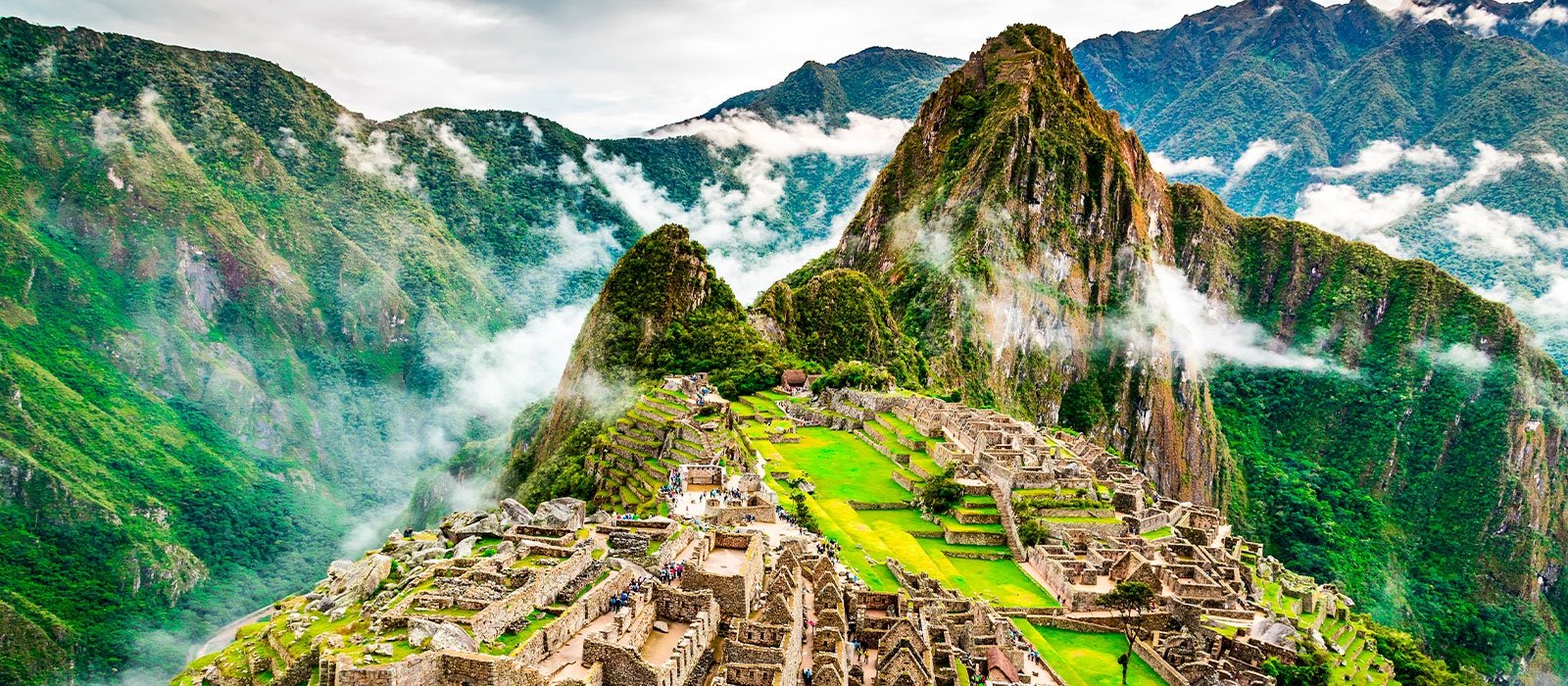
Machu Picchu is the most famous Inca citadel in the world, a UNESCO World Heritage Site and one of the New Seven Wonders of the Modern World, located at 2,453 m above sea level in the Cusco Andes.
High in the mountains near the city of Cusco, Peru, stands the remarkable historic sanctuary of Machu Picchu. Located at 2,453 meters above sea level and surrounded by majestic mountain scenery, this site was once an important palace and religious sanctuary for the Incas — the largest empire in pre-Columbian America.
Given its location, symbolism and beauty, Machu Picchu is one of Peru’s greatest treasures. It has been recognized as a UNESCO World Heritage Site since 1983 and one of the New Seven Wonders of the Modern World since 2007.
History of Machu Picchu
The citadel of Machu Picchu is believed to have been built around 1450 by order of Pachacutec, the first great ruler of the Inca Empire, also known as the “world transformer”. This luxurious urban complex was built between the mountains of Machu Picchu and Huayna Picchu, high above the Sacred Valley of the Incas.
The city was inhabited for approximately one century. With the arrival of Spanish conquistadors in the 16th century and the fall of the Inca Empire, Machu Picchu was abandoned. Its remote location in the cloud forest kept it hidden from the Western world for nearly 400 years, until American explorer Hiram Bingham brought it to global attention in 1911.
The Spanish never discovered Machu Picchu during the Conquest, which is why the city is preserved in such extraordinary condition compared to other Inca cities that were looted and destroyed.
Inca Architecture
Machu Picchu’s architecture is a masterful demonstration of Inca engineering. The builders erected this city without wheels, without pack animals to transport materials, and without mortar in the joints. The granite blocks were carved with such precision that they fit together perfectly: not even a sheet of paper can be inserted between the stones, giving the structures extraordinary resistance to earthquakes.
The city is divided into two main sectors: the agricultural zone to the south, with its famous stepped terraces (andenes) that served both for cultivation and to stabilize the mountainside; and the urban zone to the north, with its temples, palaces, plazas and residential areas.
Points of Interest
The Temple of the Sun: one of the citadel’s most sacred buildings, with a window specially aligned so that the rays of the sun at the solstices illuminate the central altar directly. A fascinating example of Inca astronomical knowledge.
The Intihuatana: known as the “Inca solar clock”, this monolithic sculpture was used by the Incas to measure time, predict solstices, and maintain the agricultural and religious calendar. It is one of the few that was not destroyed by the Spanish conquistadors.
The Temple of the Three Windows: a trapezoidal building with three enormous windows overlooking the Sacred Valley. Its precisely fitted polygonal stone blocks showcase Inca mastery of stone architecture.
The Sacred Rock: a monolith in the northern part of the citadel whose silhouette replicates the shape of the Yanantin hill behind it. It was considered a connection point between the earthly world and the world of the Apus (mountain spirits).
Huayna Picchu: the iconic peak that appears in the background of the classic Machu Picchu photograph. Visitors can climb it with a separate reservation (limited entry). The view of the citadel from the summit is absolutely breathtaking.
The Inca Trail
The most legendary route to Machu Picchu is the Inca Trail (Qhapaq Ñan), a 4-day hike along ancient stone paths that cross several Andean ecosystems, pass through minor archaeological sites, and arrive at Machu Picchu through the Sun Gate (Inti Punku). Access is limited to 500 people per day and reservations must be made months in advance.
Visit Recommendations
- Entry requires prior online reservation with a specific date and time. Tickets are not sold at the gate.
- The best time to arrive is early morning (opening at 6:00 am) to beat the crowds.
- Wear layered clothing: weather can change rapidly between intense sun, fog and rain.
- Large backpacks and camera tripods are not permitted inside.
- Drones are strictly prohibited within the sanctuary.
How to Get There
Lima – Cusco: Flight, approximately 1 hour 15 minutes
Cusco – Ollantaytambo: Bus, approximately 1 hour 30 minutes
Ollantaytambo – Machu Picchu: Train 1 hour 30 minutes + shuttle bus 30 minutes
Opening Hours
6:00 am to 5:30 pm (subject to change — verify before visiting)
Entry Price
Varies by circuit. Book in advance at the official website.