The Tambopata National Reserve is located in the southern Amazon basin, south of the Madre de Dios River in the Tambopata district, offering world-class wildlife watching and jungle lodges.
The Tambopata National Reserve is located in the southern Amazon basin, south of the Madre de Dios River in the district of Tambopata. Situated approximately 260 kilometers east of Cusco, near the border with Bolivia, the reserve covers the entire Tambopata River basin.
Established by the Peruvian government in 1989, Tambopata is the second-largest protected area in Peru (after Manu National Park), covering more than 274,690 hectares. The reserve is accessible from the city of Puerto Maldonado, from which visitors can enter by boat or road. It is one of the most accessible and rewarding wildlife destinations in the Peruvian Amazon.
The Tambopata National Reserve covers the middle and lower Tambopata River valley, about 30 minutes by boat from central Puerto Maldonado. Its defining features are the protection of flora and fauna within the subtropical humid forests of southeastern Peru. Thanks to its proximity to Puerto Maldonado, its outstanding landscapes, and its iconic species of both flora and fauna, this reserve is an excellent destination for nature tourism and environmental education.
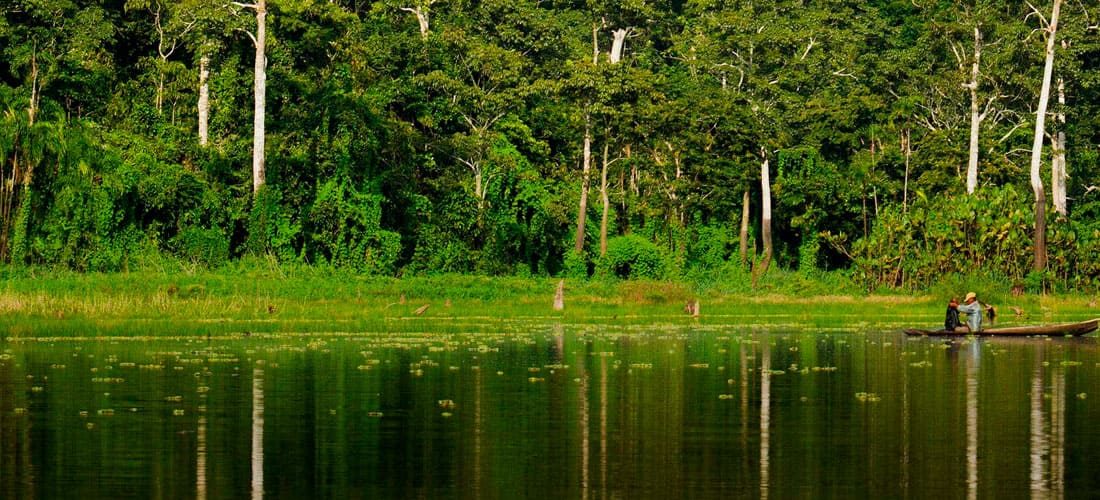
Key attractions include oxbow lakes of meander origin — Sandoval, Cocococha, Sachavacayoc — and the famous Chuncho and Colorado Macaw Clay Licks, home to hundreds of macaws.
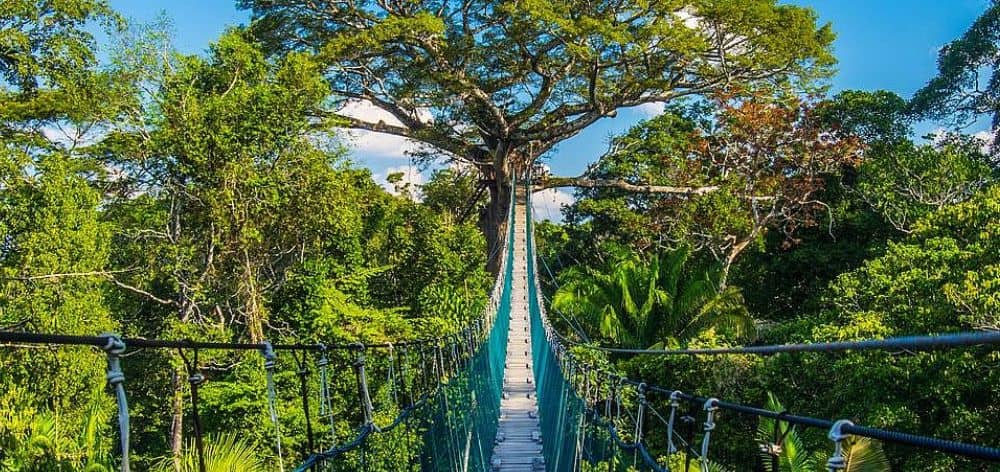
Tambopata is characterized by an exceptionally high density of natural diversity. Most tours in this remarkable corner of Peru include overnight stays in traditional bungalow-style jungle lodges. From these lodges, visitors can make numerous excursions through the forest to observe wildlife and the surrounding natural environment.
Flora and Fauna
The Tambopata National Reserve is one of the most species-rich areas on Earth. Approximately 648 bird species belonging to 60 families and 388 genera have been recorded, including the harpy eagle, razor-billed curassow, red-and-green macaw, scarlet macaw, blue-and-yellow macaw, and many others.
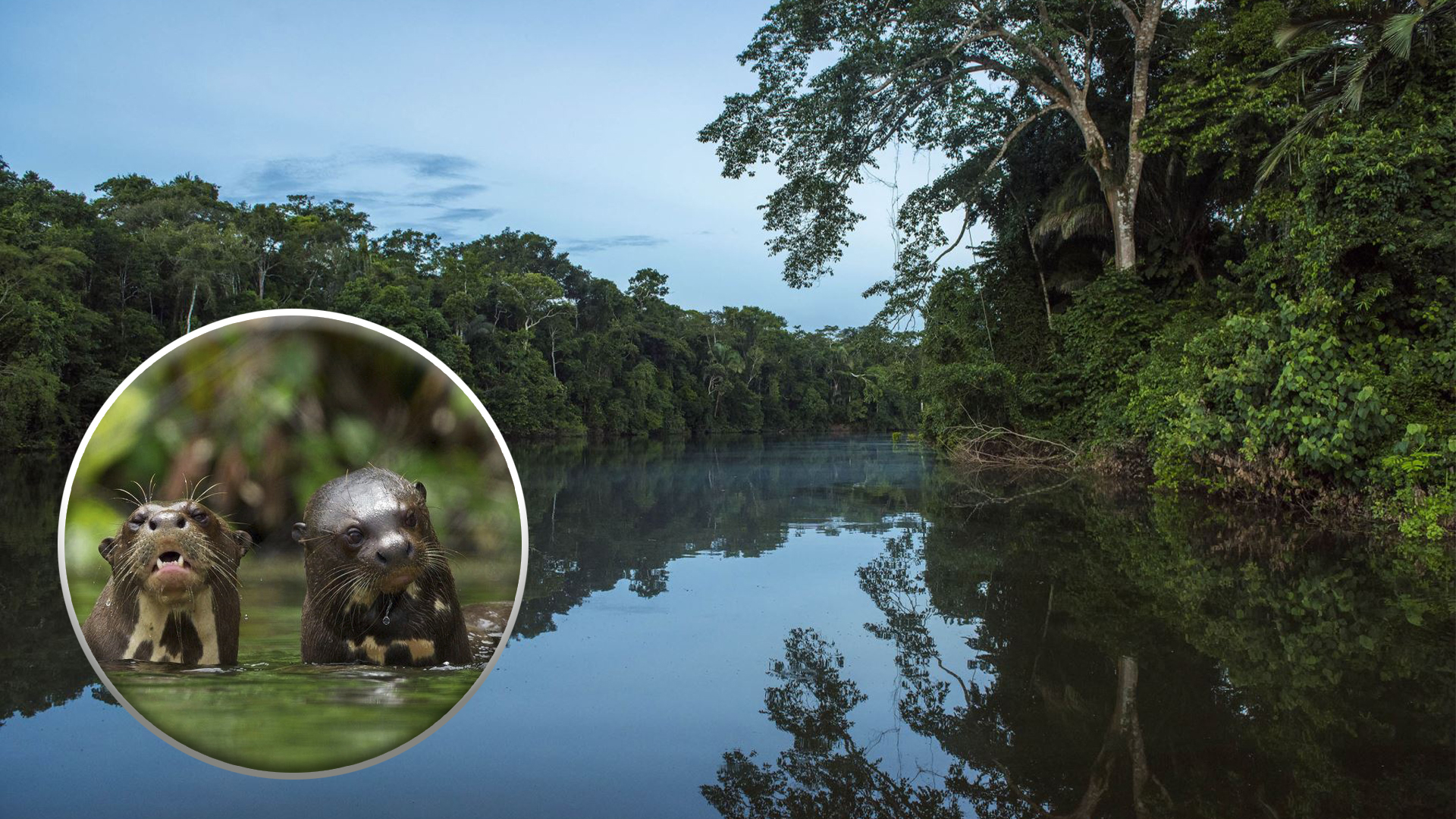
108 mammal species from 28 families have been documented, including the giant river otter, jaguar, puma, ocelot, black spider monkey, squirrel monkey, tapir, white-lipped peccary, collared peccary, red brocket deer, gray brocket deer, two-toed sloth, and three-toed sloth.
103 reptile species have been reported in the area, principally including the emerald tree boa, tree snake, boa constrictor, black caiman, and white caiman. 323 fish species from 205 genera in 39 families have been identified, including boquichico, yahuarachi, golden dorado, paco, and catfish. Around 1,200 butterfly species and 93 amphibian species have also been recorded.
The reserve’s flora encompasses 17 plant community types across different forest categories, with approximately 1,713 species from 145 families and 645 genera. Notable plant species include the Brazil nut (castaña), lupuna, ishpingo, tornillo, shihuahuaco, cedar, aguaje, ungurahui, palmiche, huasaí, huayruro, pona, and tamishe, among others.
Tourist Routes
The Tambopata National Reserve has three main nature tourism zones: Sandoval, Middle Tambopata, and Upper Tambopata.
Sandoval Lake, the most visited destination in the Sandoval zone, is a breathtaking 127-hectare body of water surrounded by dense palm forest and home to a large colony of giant river otters. An observation tower on the shore offers panoramic views of the lake and its wildlife. Sandoval is located just 30 minutes by river from Puerto Maldonado.
The Cocococha, Sachavacayoc, and Condenado I and II lagoons are home to river otters, caimans, and large bird families. These can be reached in 1 to 2 hours by boat from the local community of Infierno.
Crossing the Tambopata River brings you to the Upper Tambopata zone, where the Chuncho and Colorado Clay Licks are located. The Colorado Clay Lick is believed to be the largest macaw clay lick in the Peruvian Amazon, where hundreds of macaws and parrots can be observed taking turns licking the mineral-rich clay. This area is accessible by boat from the community of Filadelfia in about 2 hours.
Originally the ancestral homeland of the Ese Eja indigenous community, many families still live within the reserve’s buffer zone. The only human settlements within the reserve itself are several ranger stations and the Tambopata Research Center (TRC) — established before the area received national conservation status in 1996, making it arguably one of the most remote research lodges in South America.
How to Get There
Lima to Puerto Maldonado: Flight — approximately 1 hour 15 minutes
Puerto Maldonado to Tambopata National Reserve: Boat — approximately 2 hours
Hours
- Depends on the operator
Admission Price
- Foreigners: S/30.00 soles
- National Adults: S/15.00 soles
- National Children: S/8.00 soles
- Local Adults: S/8.00 soles
- Local Children: S/8.00 soles
- (Reference prices — verify before visiting)