Oxapampa was founded in the 19th century by Austrian and German settlers from Pozuzo in search of fertile land, becoming a UNESCO Biosphere Reserve with outstanding biodiversity.
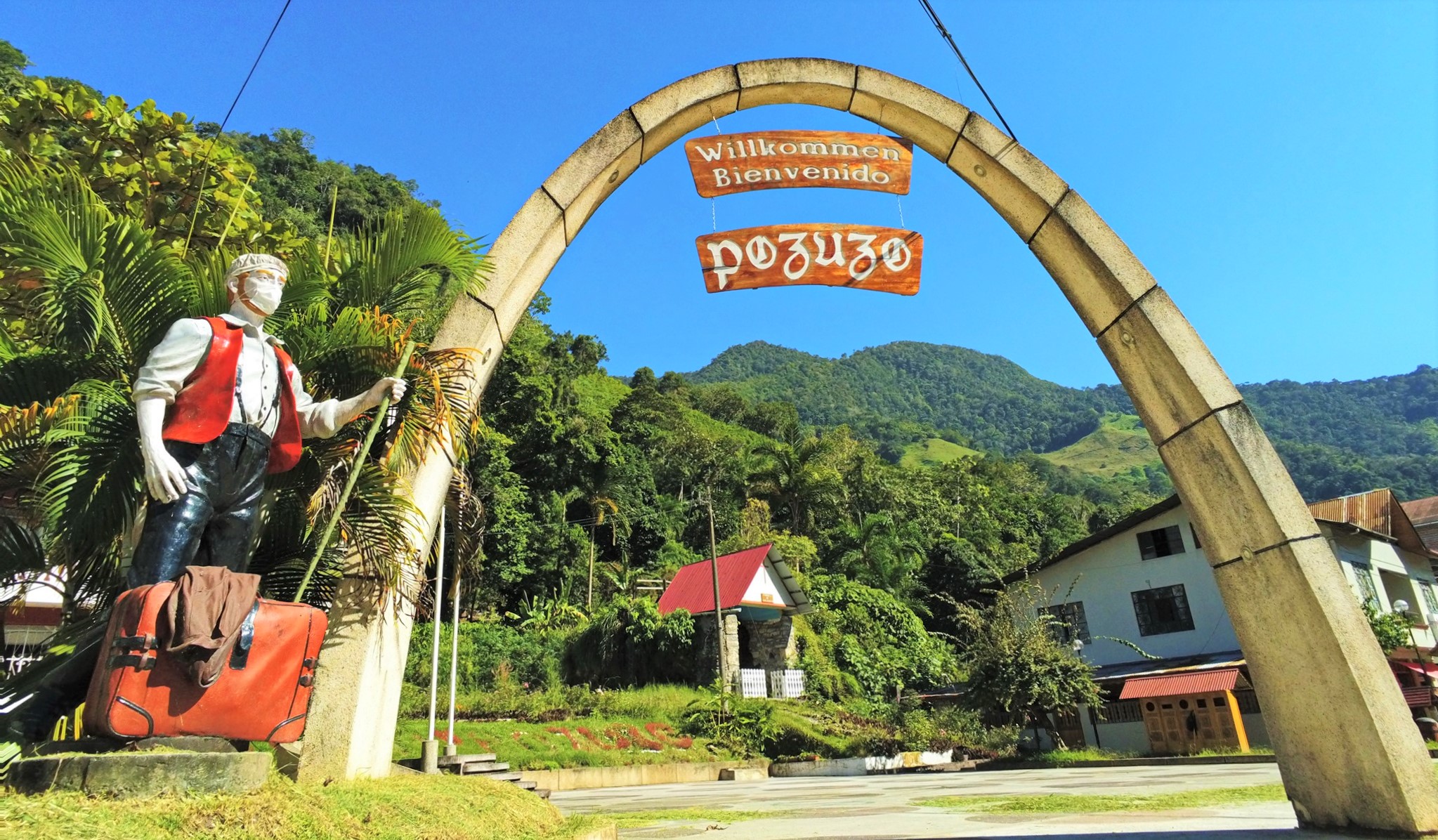
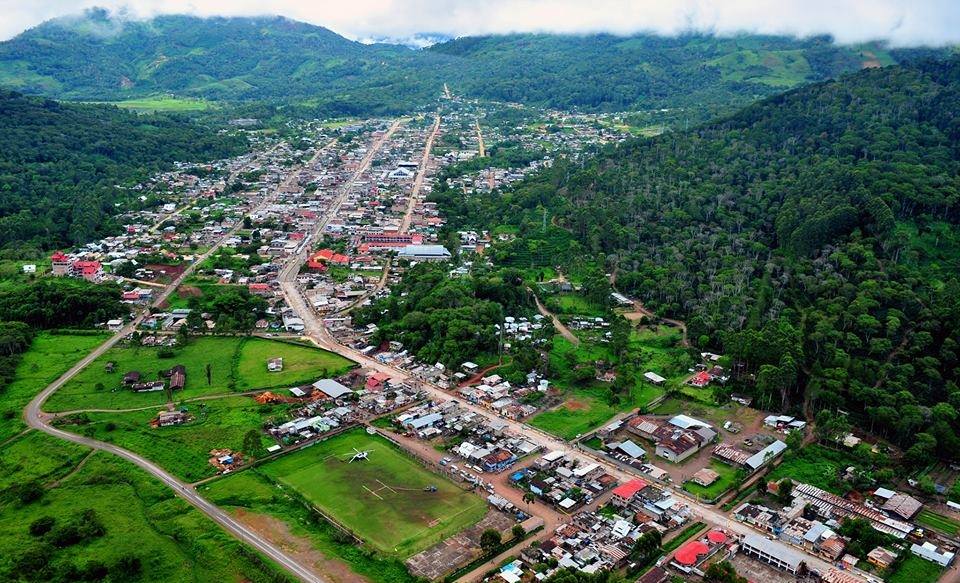
Oxapampa was founded in the 19th century by Austrian and German settlers from Pozuzo in search of fertile land. Over time, Peruvian, Croatian, Italian, and Swedish settlers also arrived. Today it is a multicultural community of French, Polish, Swiss, and Peruvian descendants living in the heart of the Central Jungle.
Oxapampa belongs to the Pasco region and is part of the “Oxapampa–Asháninka–Yanesha Biosphere Reserve”, recognized by UNESCO. It was established as a province on November 27, 1944. Each year the town celebrates its patron saint festival on August 30 in honor of Santa Rosa, and the “BIOAY” biosphere reserve anniversary on June 2.
The area is distinguished by its beautiful landscapes, generous soil, exquisite gastronomy, and cultural diversity — the Yanesha territory is inhabited by descendants of Austro-German immigrants who have maintained fascinating hybrid traditions for generations.
The economy of Oxapampa is dominated by agriculture and livestock, followed by commerce and forestry activities. The main crops are: coffee, cauliflower, rocoto pepper, bell pepper, banana, pineapple, passion fruit, avocado, pumpkin, and mint.
Plaza Central of Oxapampa
Located in the center of the city of Oxapampa, the main plaza features a majestic octagonal-base obelisk erected in 1959 in memory of the Aode (Austro-German) immigrants who founded Oxapampa and Villa Rica in the dense jungles of the Pasco region.
Florida Viewpoint
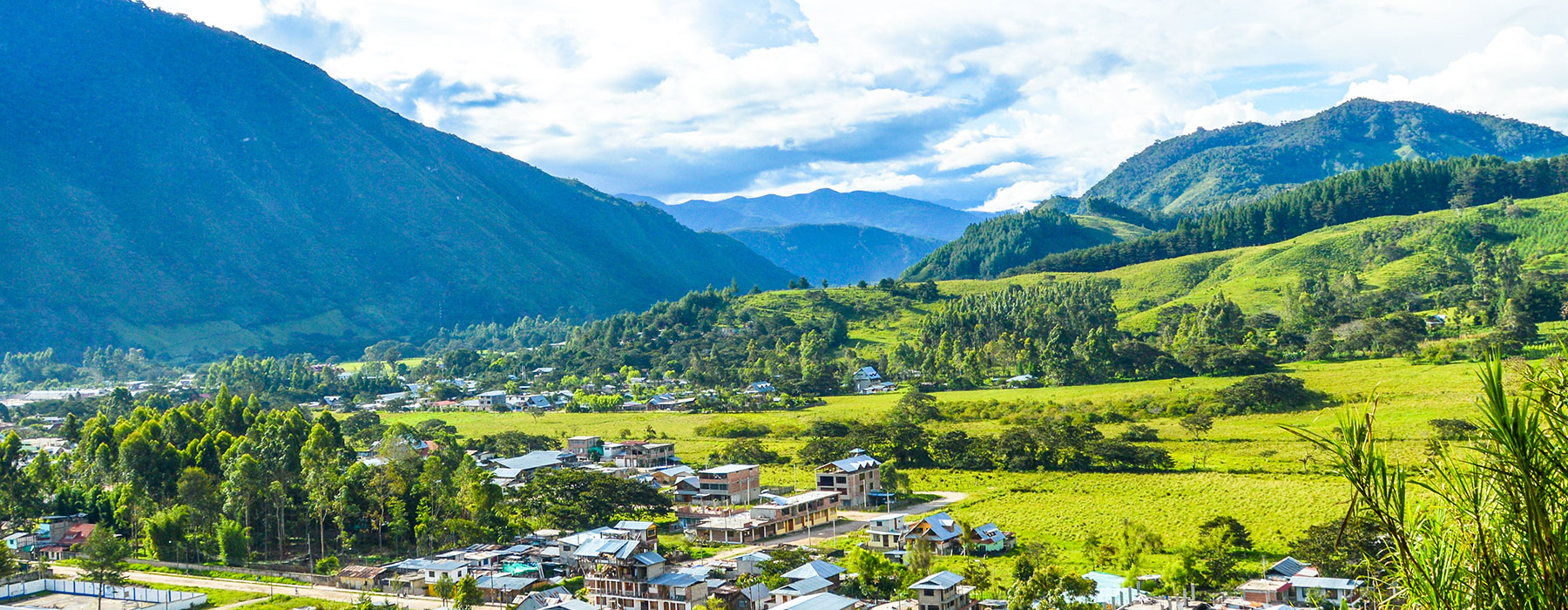
This natural viewpoint offers sweeping views of the Chontabamba Valley, the surrounding countryside, and the town of Oxapampa. It is conveniently located near the town center on the road to Chontabamba, making it an ideal spot to enjoy the panoramic beauty of the valley.
Río Tigre Waterfall
The Río Tigre waterfall is a natural attraction located in the Oxapampa district, within the province and region of Pasco. Specifically, this resource is part of the ecotourism offerings of the small village of La Cañera, located just 18 kilometers from the town of Oxapampa. It lies within the territory of the Oxapampa–Asháninka–Yánesha Biosphere Reserve. Physically, the Río Tigre falls are approximately 29 meters high and can be admired both from above and at the base, as well as from a recently constructed suspension bridge over the gorge.
Flora and Fauna
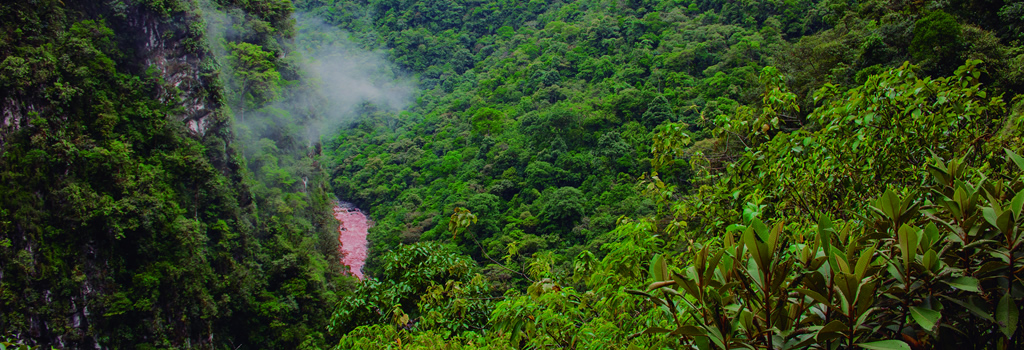
The most remarkable feature of the Oxapampa–Asháninka–Yanesha Biosphere Reserve is its extraordinary biodiversity. According to SERNANP, this natural space harbors at least 127 mammal species, 321 bird species, 71 fish species, 75 amphibian species (of which 30 are considered endemic or ancient and restricted to the region), and 306 butterfly species.
In terms of flora, the biosphere reserve shelters more than 5,000 plant species, including more than 600 orchid species and more than 50 endemic species.
The biosphere reserve has four areas designated for tourism activities, with San Cristóbal, San Alberto, and Huampal standing out as locations where ecotourism activities are organized.
The reserve’s transition zones are home to communities of Ashaninka indigenous people, descendants of Austro-German immigrants, Andean migrants, and other groups working toward the integration of conservation and sustainable development.
How to Get There
Lima to La Merced: Bus — approximately 8 hours 30 minutes
La Merced to Oxapampa: Bus — approximately 3 hours
Hours
- Depends on the operator
Admission Price
- Depends on the operator