Yanachaga Chemillén National Park extends across the Yanachaga mountains on the eastern slopes of the Andes, sheltering exceptional biodiversity from Amazonian jungle to high-altitude cloud forest.
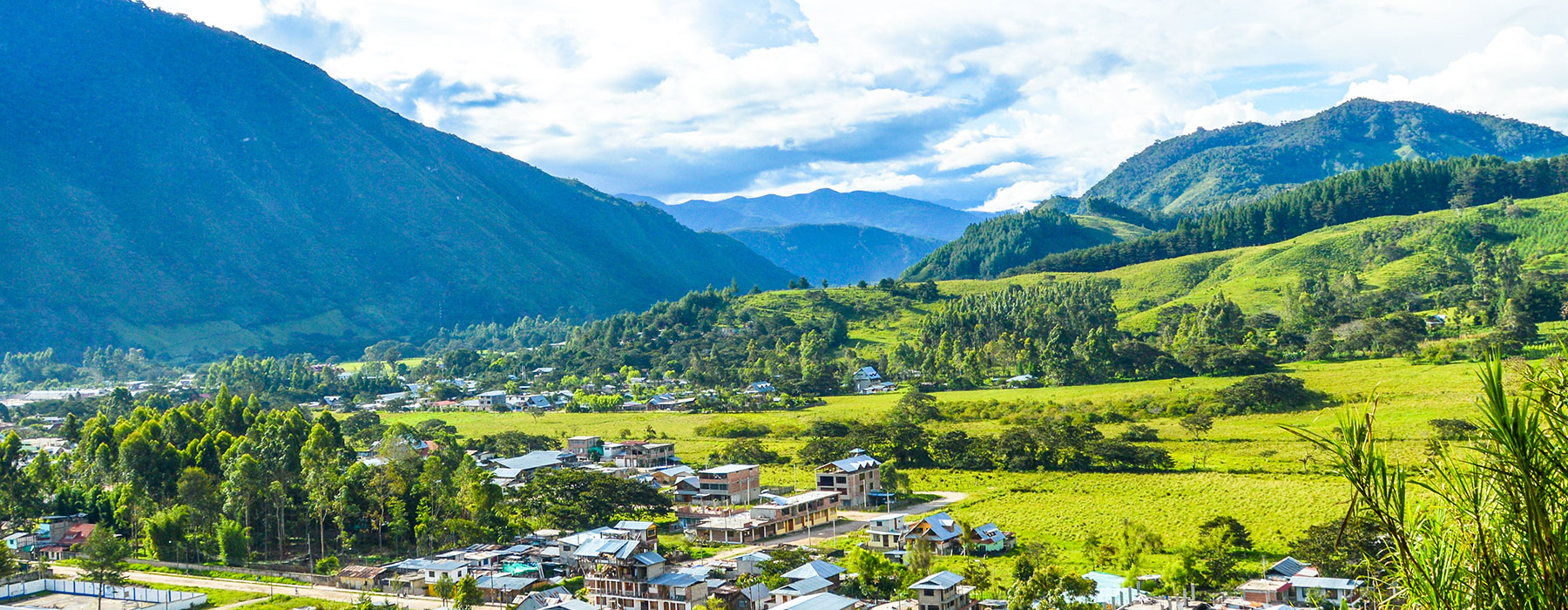
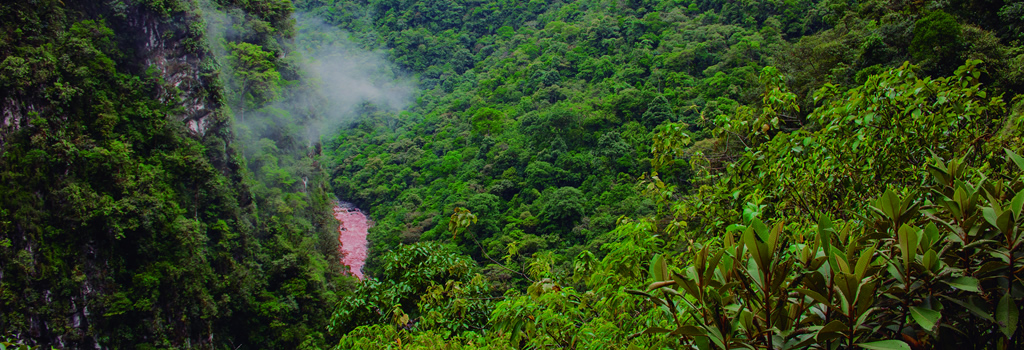
Yanachaga Chemillén National Park extends across the Yanachaga mountains, part of the eastern slopes of the Andes. The dominant landscape is forested mountains surrounded by deep canyons and ravines. The terrain is highly rugged, consisting mostly of forested rocky hillsides, with steeper gradients visible on the eastern and western flanks of the Parkas River. Altitude within the park varies greatly, from 460 meters above sea level to 3,643 meters above sea level.
This geographical diversity, combined with its climatic variety, produces a wide range of ecological structures within a relatively compact area, resulting in an exceptionally high degree of biodiversity.
The zone where the park is located is considered a “Pleistocene Refuge” — an area where remnant forest patches are the product of geographical isolation during a relatively recent period of geological history hundreds of thousands of years ago, when severe climate change caused the Amazon’s surface to be largely occupied by grassland ecosystems. The Pleistocene Refuge theory explains why certain Amazonian forests display extraordinarily high biodiversity.
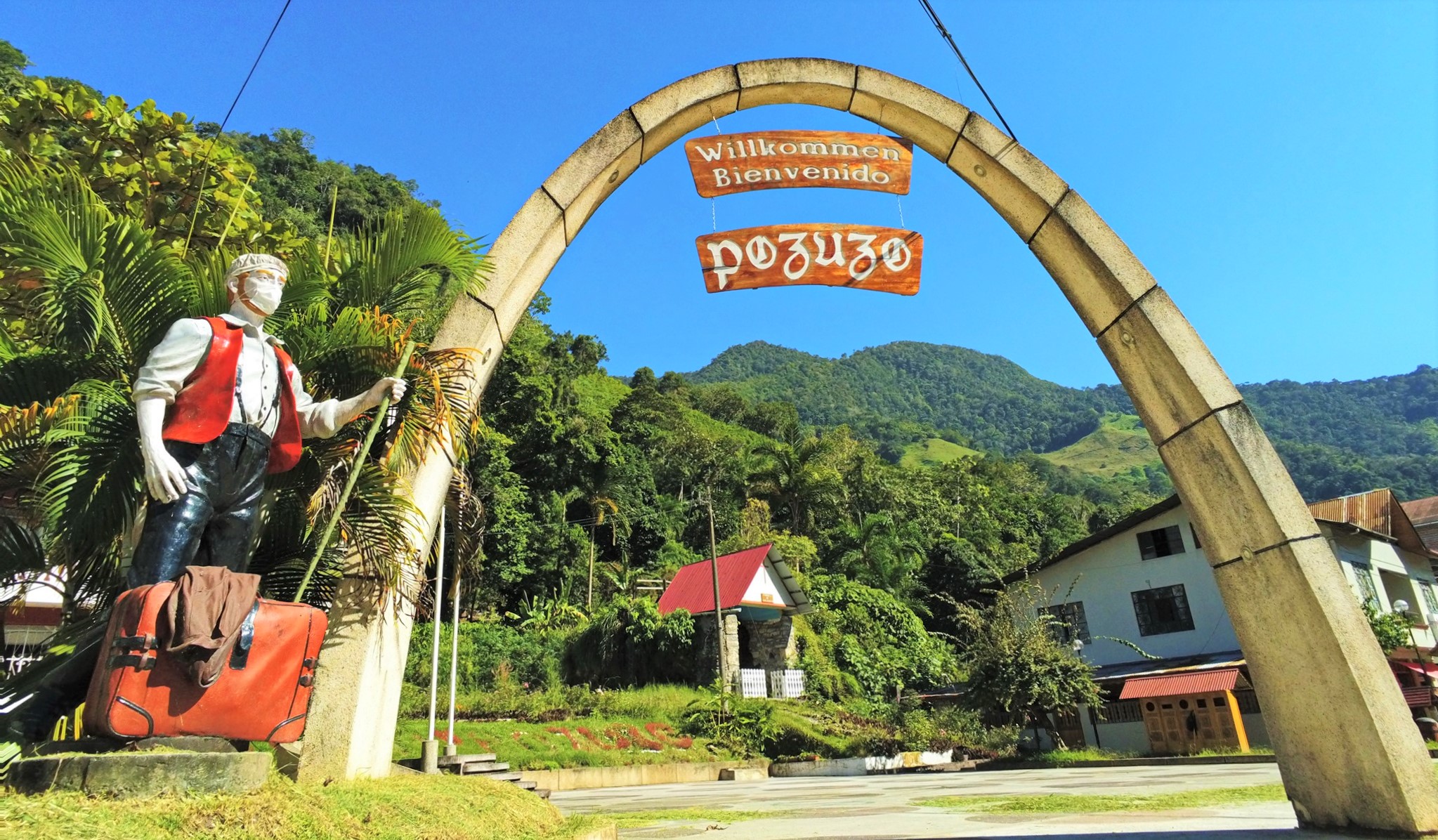
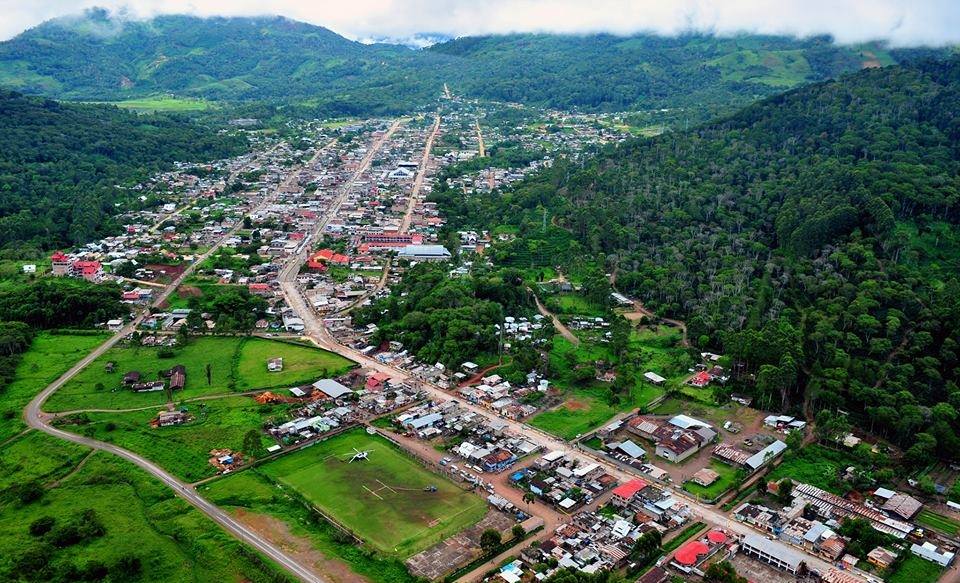
In terms of cultural diversity, three main population groups can be distinguished in the park’s buffer zone: the indigenous Yanesha people; European settlers (particularly of Germanic origin); and Andean migrants to the central highlands. The Yanesha are located on the eastern side of the Yanachaga mountains in the Palcazú basin, while the other two groups are located primarily on the western side in the Oxapampa–Pozuzo valley.
Flora and Fauna
The park’s animal diversity reflects its multiple origins: Andean and Patagonian, Amazonian, highland and lowland. The protected area shelters important local fauna, particularly small and medium-sized animals. Bird diversity is exceptional — 527 species have been recorded.
Notable species include the capybara (ronsoco), white caiman, canyon lizard, jaguar, puma, woolly monkey (mono choro), and the paca (majaz). The spectacled bear (oso de anteojos), brocket deer (sachacabra), ocelot (tigrillo), and jaguarundi have also been reported, as well as high-altitude puna species such as the gray deer, Andean fox, and Andean skunk.
Climate
Annual rainfall ranges from 1,500 mm on the Oxapampa flank to 6,000 mm on the Palcazú flank. Two main climate types are found within the park: humid and warm, with average temperatures of 23°C to 26°C in the Pozuzo, Palcazú, and Pichis valleys; and humid and semi-warm, with average temperatures of 13°C to 20°C, found primarily in the Oxapampa and Yanachaga areas, the San Carlos and San Matías mountain ranges, and the zones of Villa Rica, Huancabamba, and Chontabamba.
How to Get There
Lima to La Merced: Bus — approximately 8 hours 30 minutes
La Merced to Oxapampa: Bus — approximately 3 hours
Oxapampa to Yanachaga Chemillén National Park: Bus — approximately 4 hours
Hours
- Monday to Sunday: 6:00 AM to 4:00 PM
- (Reference hours)
Admission Price
- Depends on the operator