Taquile is one of the many islands that form Lake Titicaca. Located in Puno with a total area of 11 square kilometers, it is home to a community that preserves ancient traditions and UNESCO-recognized textile art.
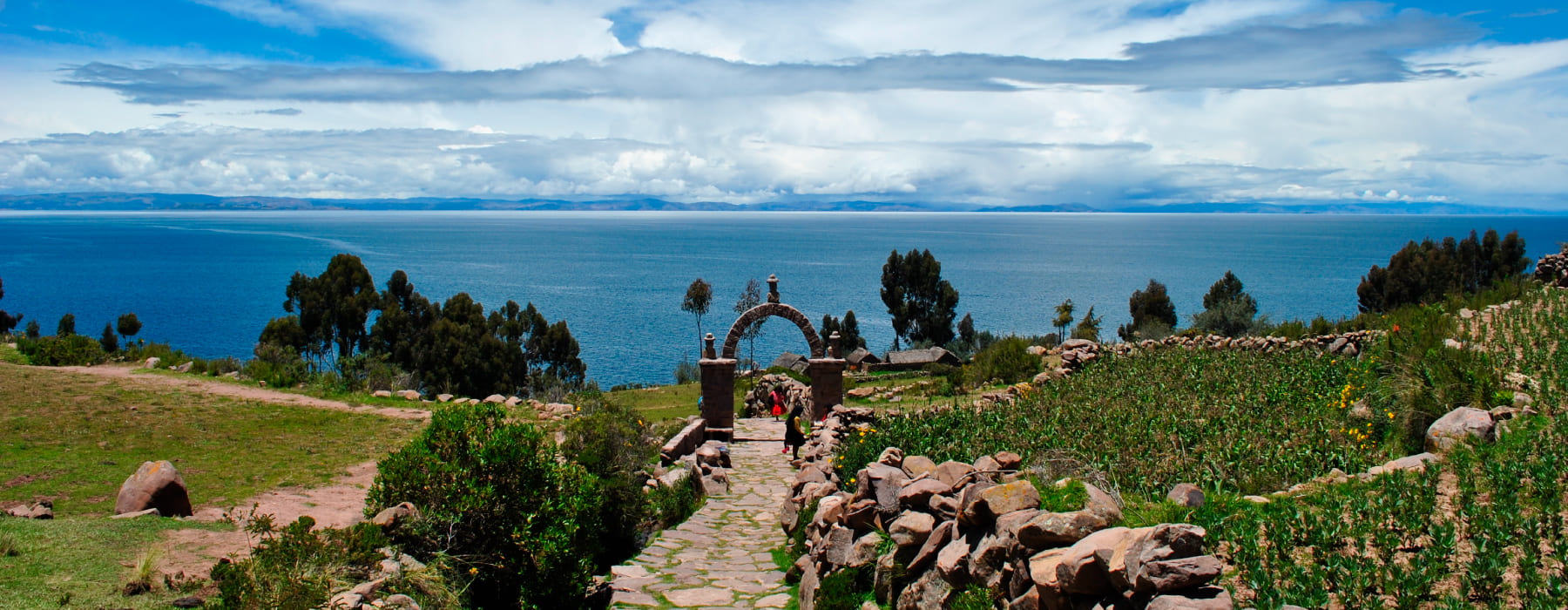
Taquile is one of the most beautiful islands on Lake Titicaca, located in the Puno region with a total area of 11 square kilometers. It is considered one of the most stunning lake islands in the world and should be on every traveler’s itinerary when visiting the region. The island rises to 3,950 meters above sea level, and from its hills one can enjoy a panoramic view of Lake Titicaca in all its immensity.
Taquile Island is home to over 2,000 people — descendants of ancestral communities who still maintain their ancient customs, their Quechua language, and a way of life that has changed little over the centuries.
History and Taquile Culture
The Taquileños have a history that stretches back to pre-Inca times. During the Inca Empire, the island served as an important administrative and religious center. During the colonial period, the Spanish used the island as a place of detention for political prisoners — which paradoxically helped preserve the isolation of its inhabitants and the purity of their traditions.
The Taquile community is still governed by principles of collective organization inherited from the Andean world: ayni (reciprocity between individuals) and minka (communal labor). There is no police force on the island: conflicts are resolved through dialogue in community assemblies. The guiding principle of life on Taquile is the same Inca maxim: “ama suwa, ama llulla, ama qhella” (do not steal, do not lie, do not be lazy).
Textiles: Intangible Heritage of Humanity
Taquile’s textile art was declared an Intangible Cultural Heritage of Humanity by UNESCO in 2005 — the first recognition of this type in Peru. What makes this textile tradition unique is that on Taquile, it is the men who weave — unlike the usual Andean pattern where women are the primary weavers.
Taquile men learn to weave from the age of 8 and never stop. They can be seen walking, talking, or waiting for the boat while knitting with extraordinary skill. The most representative articles include:
- The chullo: the knitted wool hat with ear flaps made by men for their own use. Its color, design, and the way it is worn (with the point falling to the right or to the left) indicates the wearer’s marital status and social position.
- The faja or chumpi: a woven belt with geometric designs that narrate the history and cosmology of the community.
- Women’s headdresses: the women of Taquile are recognized for their elaborate embroidered cloth headdresses that crown their traditional dress.
The Plaza de Armas of Taquile
After climbing from the dock (approximately 533 steps), visitors arrive at Taquile’s Plaza de Armas — the social heart of the island. Here artisans gather to sell their creations and residents share the day. The view from the plaza over Lake Titicaca is breathtakingly beautiful, especially at sunset when sky and water turn orange and violet.
Taquile Gastronomy
The gastronomy of Taquile is simple but authentic. Typical dishes include fresh lake trout, served with native potatoes and salad; quinoa in various preparations; and fish soup with lake vegetables. Dining at one of the island’s modest family restaurants, with a view of the Titicaca, is a priceless experience.
Community Tourism
Taquile has developed an exemplary model of community tourism: tourism revenues are distributed equitably among all families on the island, no hotel or external company operates here, and visitors who choose to stay overnight are accommodated in local family homes. This model has been internationally recognized as an example of sustainable and responsible tourism.
How to Get There
Lima to Juliaca: Flight — approximately 1 hour 40 minutes
Juliaca to Puno: Bus — approximately 45 minutes
Puno to Taquile: Boat — approximately 3 hours
Hours
- Depends on the operator
Admission Price
- Depends on the operator
Tourist Activities
- Visit the Mulsina Pata viewpoint and its archaeological remains
- Learn to weave like the Taquileños
- Visit the Taquile market