Located between Bolivia and Peru, Lake Titicaca is the world's highest navigable lake at 3,800 meters (12,500 feet), a sacred site of Inca mythology and extraordinary cultural heritage.
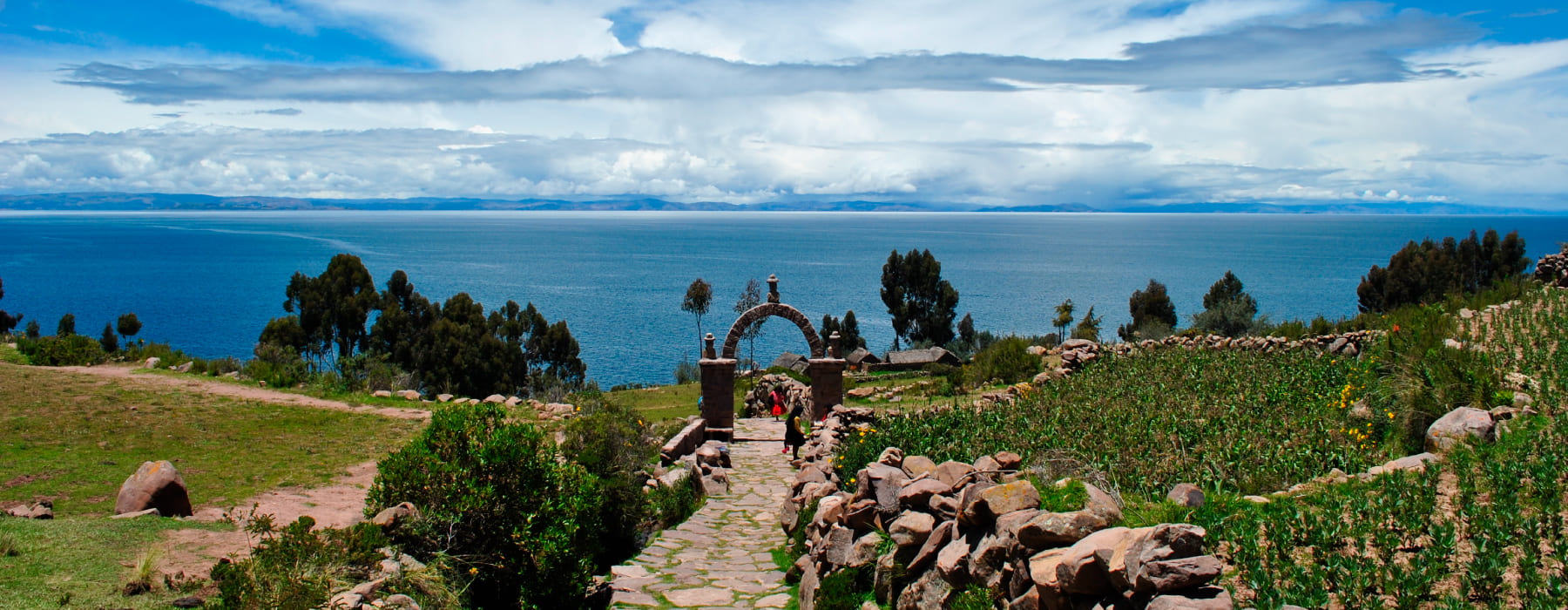
Located between Bolivia and Peru, Lake Titicaca is the world’s highest navigable lake at 3,800 meters (12,500 feet) above sea level. The vast tundra plain known as the Altiplano stretches to the south and was home to the Tiwanaku — one of the most important Andean civilizations of the first millennium AD. The lake is also believed to be the center of the universe and the origin of the Sun, the Moon, the stars, and humankind, making it one of the most sacred sites in Inca civilization.
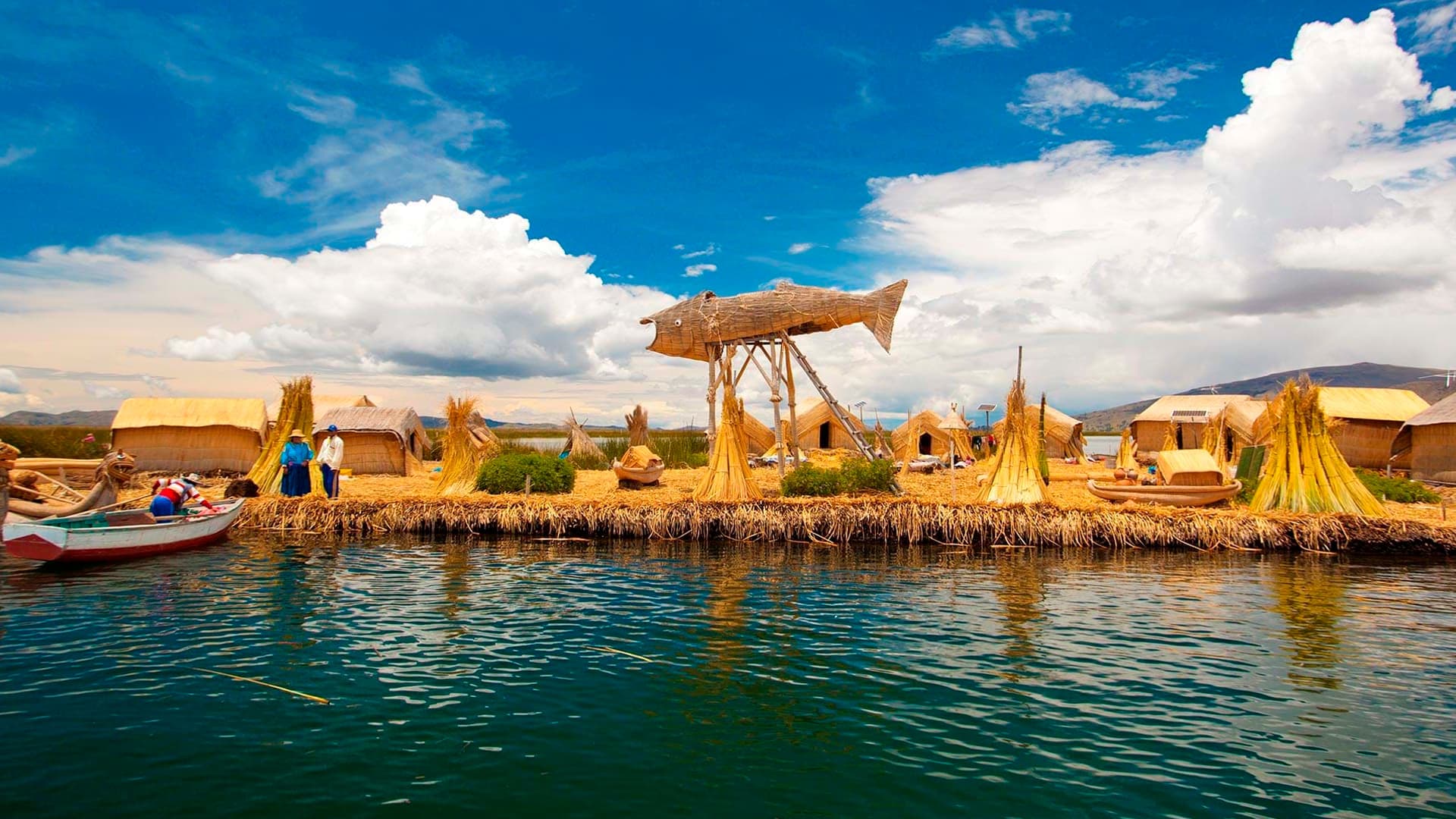
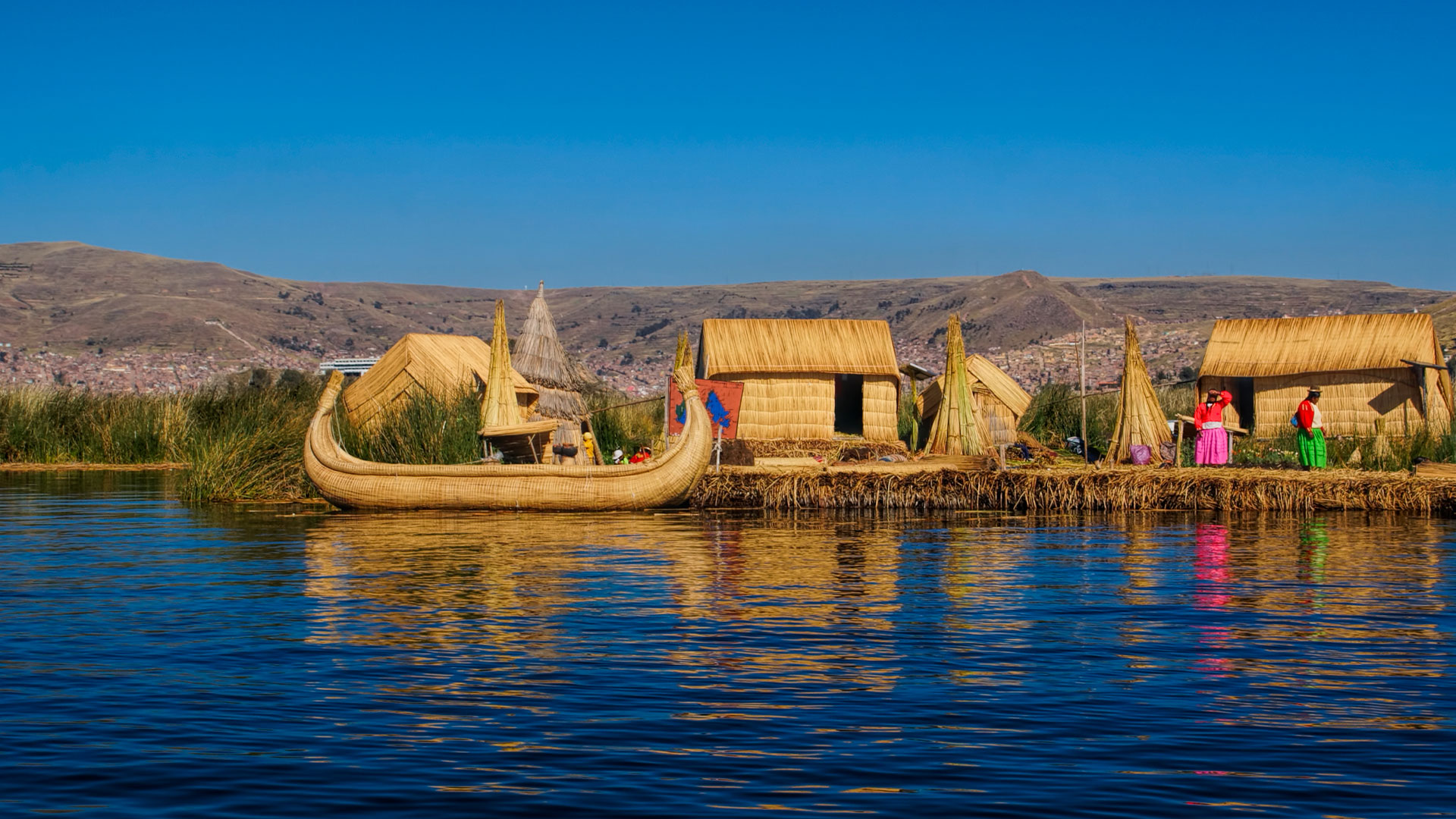
In 2005, Lake Titicaca was included on the UNESCO World Heritage tentative list as a mixed site under multiple criteria. At an altitude of 3,810 meters and spanning 8,300 square kilometers, it is the largest freshwater lake in South America and the highest among the world’s five great lakes. It is a natural environment where humans have continuously lived for 10,000 years, and a cultural space where the traditions, way of life, customs, and values of the ancestors continue to coexist.
This enormous body of water has exerted a mystical influence on the society of Puno since time immemorial. What is said of this lake? This is where the world was born. And it is from the depths of Lake Titicaca that the two founders of the Inca Empire are said to have emerged.
Pucara and Tiwanaku
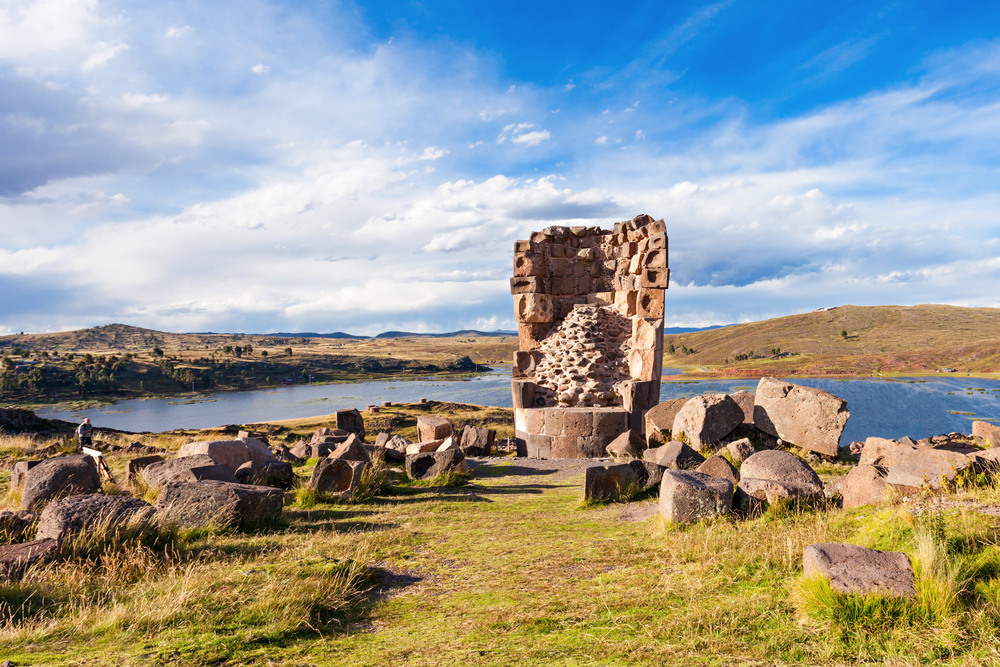
The first significant independent culture was located to the northwest of the lake at Pucara (400 BC – 100 AD). Beyond foundations of red sandstone and carefully laid stone walls, few remains of the settlement survive. Stone carvings and ceramic vessels were discovered here — the latter featuring characteristic geometric forms, painted and carved decorations of felines and curved human figures, often painted in red, brown, or cream.
The important site of Tiwanaku (or Tiahuanaco), which flourished from around 200 BC, had by 1000 AD established the southern shore of the lake as the capital of a great empire. The two cultures are parallel but apparently distinct, though they share characteristics such as deep incised stonework and some similarities in artistic style. The Tiwanaku culture may also have been influenced by the earlier nearby site of Chiripa.
Inca Expansion
With the rise of the Inca Empire in the 15th and 16th centuries, Lake Titicaca once again became a site of supreme importance. The Incas were drawn to the highlands as a potential area of expansion, but the conquest of the Titicaca basin and its native cultures — the Lupaqa, Qolla, and Ayaviris — took considerable time and effort.
The first expansion of the area took place during the reign of Viracocha Inca in 1425 and again during the reign of Pachacuti Inca Yupanqui (1438–1471). The decisive victory at the Desaguadero River, which flows from the southern side of the lake, finally secured Inca control and brought severe retribution to the local chieftains.
How to Get There
Lima to Puno: Bus — approximately 21 hours
Puno to Lake Titicaca: Bus — approximately 45 minutes
Hours
- Depends on the operator
- (Reference hours)
Admission Price
- Depends on the operator
- (Reference prices — verify before visiting)