The Sacred Valley, named for being an important food provider for the Inca Empire, is located along the banks of the Urubamba River.
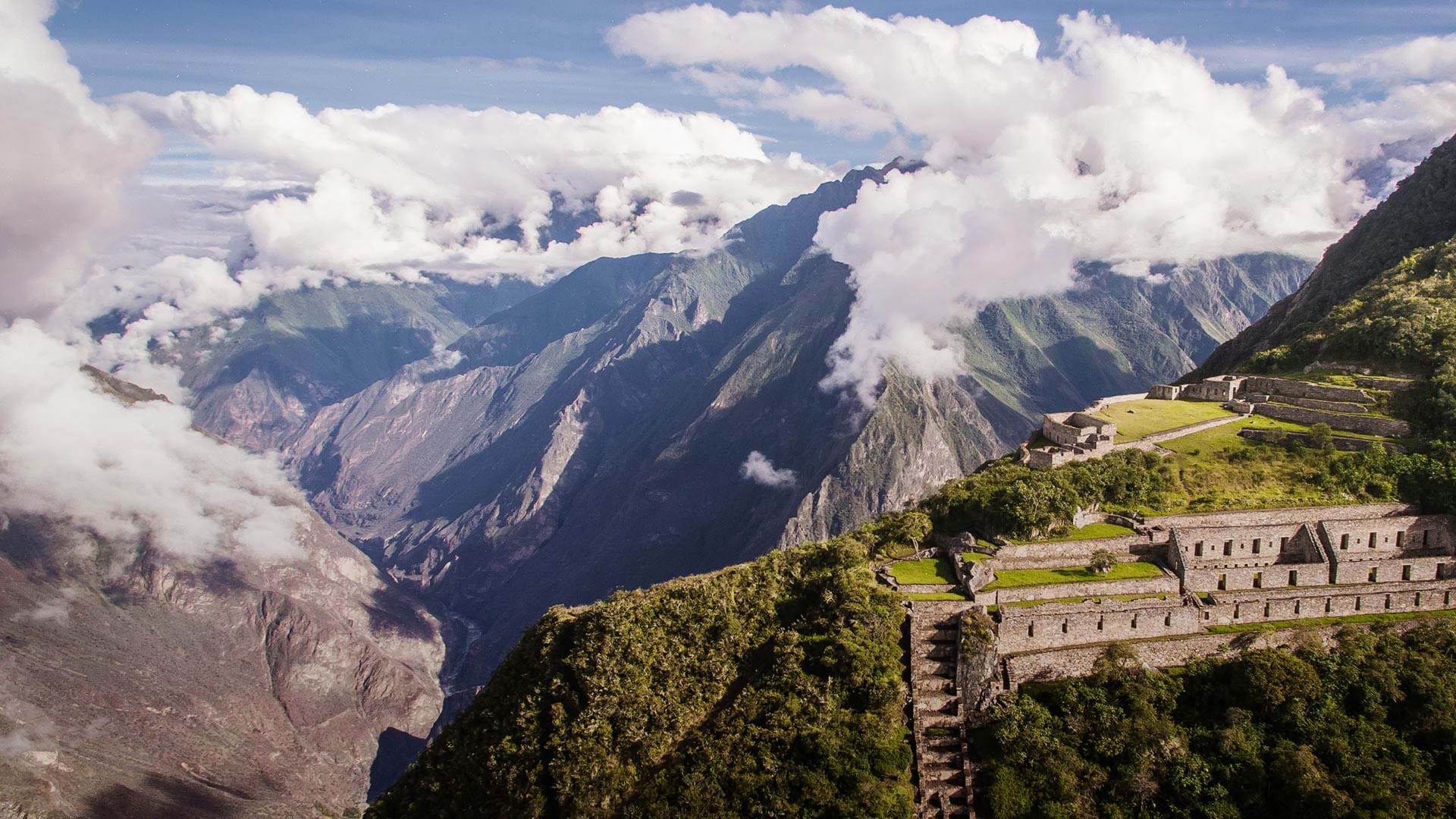
The Sacred Valley of the Incas is one of the most important tourist destinations in South America. Named for being a vital food provider for the Inca Empire, it stretches along the banks of the Urubamba River, which the Incas called Wilcamayu (Sacred River in Quechua). The Incas built archaeological centers along the river’s banks and mirrored the constellations of the Andean sky in the layout of their cities.
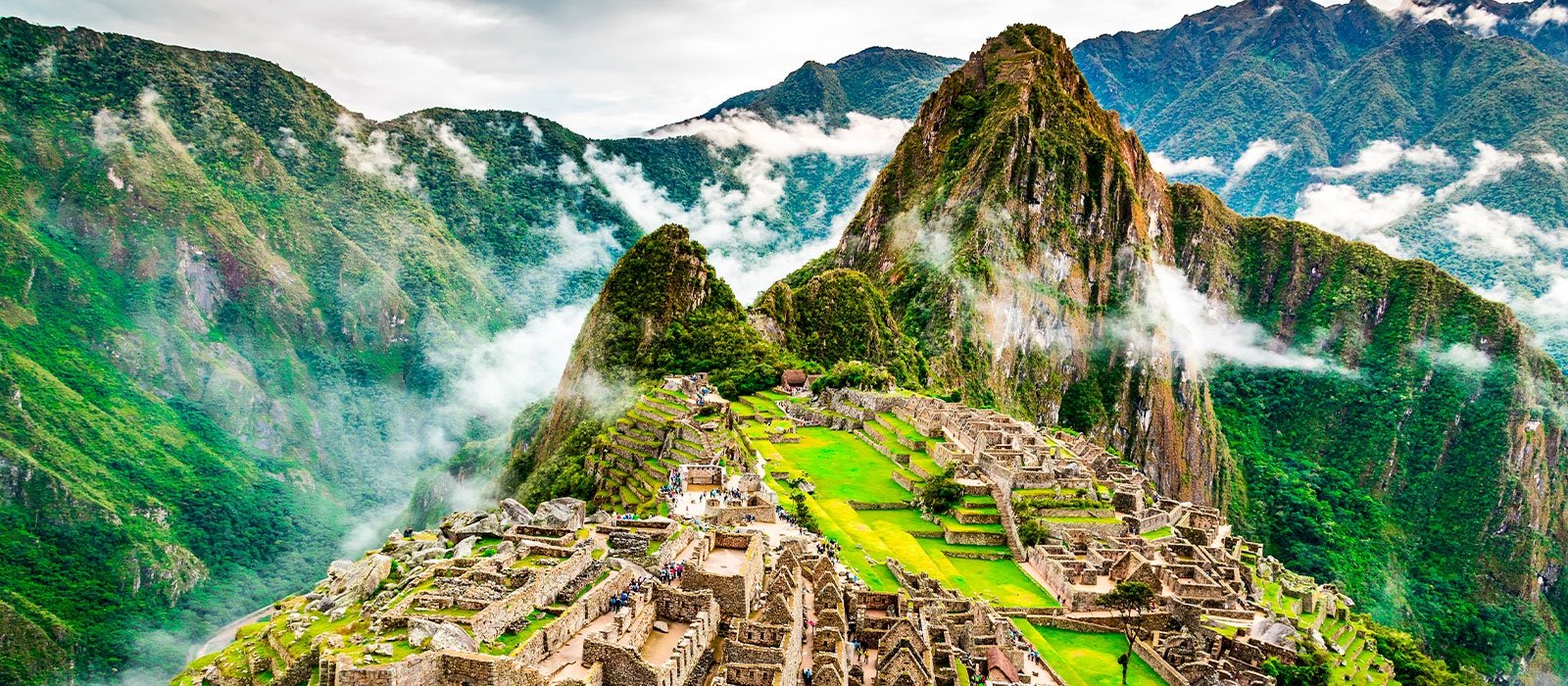
The valley extends from the city of Cusco to the town of Aguas Calientes, the gateway to Machu Picchu, covering approximately 100 kilometers of extraordinary Andean landscapes.
The Sacred Importance of the Valley for the Incas
For the Incas, the Urubamba Valley was not simply a productive territory — it was a sacred space on multiple levels. The Urubamba River was considered the earthly reflection of the Milky Way, called Mayu (celestial river) in Andean cosmovision. The Incas believed the universe was organized into three planes — the world above (Hanan Pacha), the world of here (Kay Pacha), and the world below (Ukhu Pacha) — and that the Urubamba River was the axis connecting them.
The valley’s fields were also considered sacred for their extraordinary fertility. At 2,900 meters above sea level with the Urubamba River irrigating the fields, the valley produced corn, potatoes, quinoa, and other foods that sustained the Inca Empire and its religious ceremonies. The corn of the Sacred Valley was reserved exclusively for the celebrations of Inti Raymi (Festival of the Sun).
Pisac: Market and Citadel
Pisac is perhaps the most famous town in the Sacred Valley and offers a dual attraction: the artisan market and the Inca citadel.
The Pisac market is held especially on Sundays and is one of the largest handicraft markets in Peru. Textiles, ceramics, silver jewelry, masks, and all manner of Andean artisan products are sold there.
Above the town rises the Pisac Inca citadel, one of the most important and best-preserved archaeological complexes in the Cusco region. Its agricultural terraces, temples, and residential areas cascade down the mountainside, offering spectacular views of the valley.
Ollantaytambo: The Last Inca Victory
Ollantaytambo is the only town in Peru that was built according to the original Inca urban plan and has remained inhabited to this day. Its streets, the water channels that run through them, and the canchas (residential clusters) are virtually identical to what they were in the 15th century.
Above the town stands the Ollantaytambo Fortress, one of the most impressive feats of engineering in the Inca Empire. It was here, in 1537, that the Inca Manco Inca defeated the Spanish army of Hernando Pizarro in the only major Inca military victory of the conquest.
Ollantaytambo is also the departure point for the train to Aguas Calientes and Machu Picchu, making it a mandatory stop for all visitors to the Inca citadel.
Chinchero: Textiles and Sky
Chinchero is a village set at 3,762 meters, with one of the most beautiful colonial plazas in Cusco. The church of Chinchero was built on the ruins of an Inca palace and retains colonial murals of great value.
The village is particularly renowned for its textile artisans: the women of Chinchero have mastered the art of Andean weaving and offer demonstrations of the complete process, from alpaca shearing to poncho weaving, using natural dyes from plants and minerals.
Maras and Moray: The Secrets of the Valley
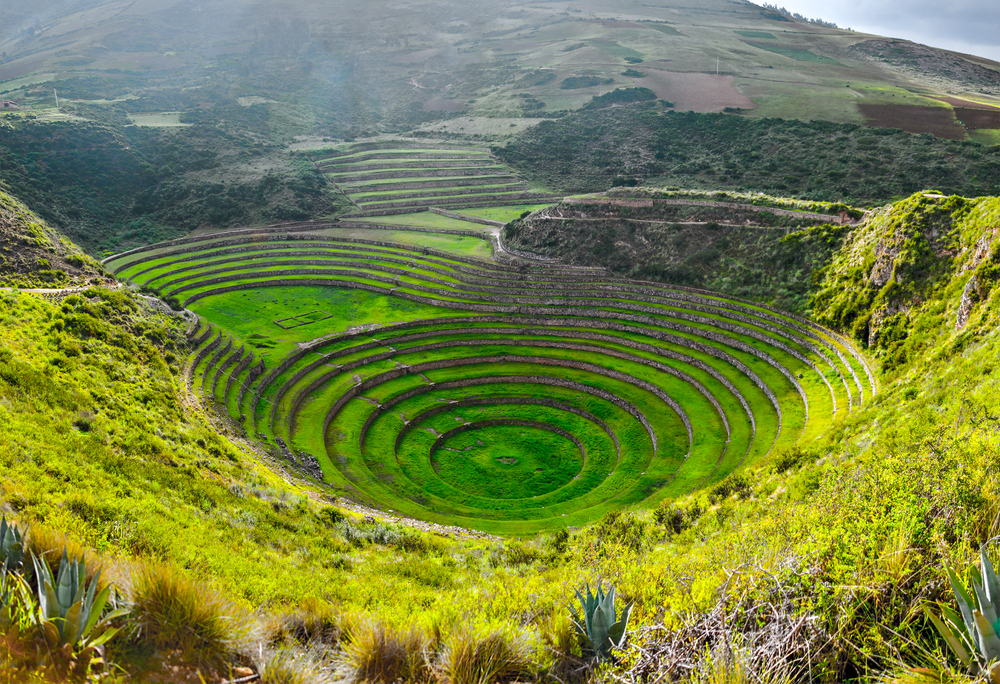
Moray is one of the most enigmatic archaeological sites in Peru: a series of concentric circular terraces that create differentiated microclimates. Archaeologists believe it was an Inca agricultural laboratory where different crops were experimented with at varying temperatures.
Near Maras are the famous Maras salt pans — thousands of salt pools carved into the mountainside that have been in operation since pre-Inca times. Maras pink salt is today a gourmet product sold around the world.
How to Get There
Cusco – Sacred Valley
Bus: approx. 1 hour 30 minutes
Hours
- Depends on the operator
- Approximate schedule
Admission Price
- Depends on the operator
- Approximate price