Chanchamayo, the "coffee capital of Peru," belongs to the Junín region. It was established as a province on September 24, 1977, the day its patron.
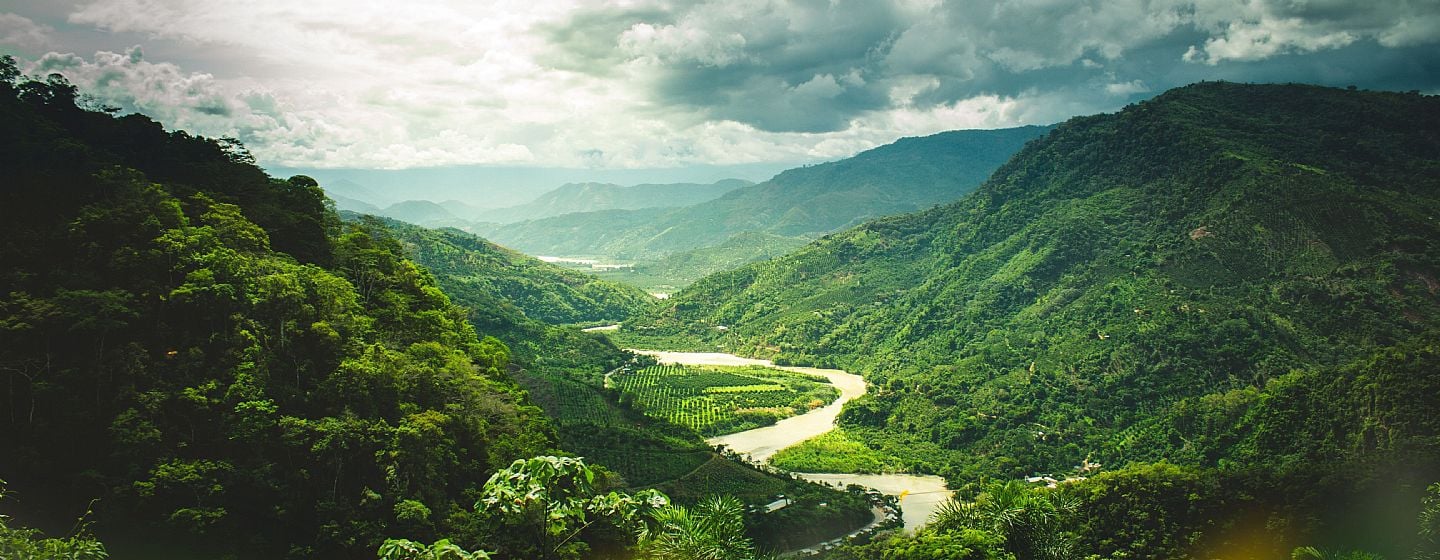
Chanchamayo, the “coffee capital of Peru,” belongs to the Junín region. It was established as a province on September 24, 1977 — the day that the patroness, Our Lady of Mercy (Nuestra Señora de las Mercedes), is celebrated each year. A dreamlike land, ideal for adventure and nature tourism. Its political capital is Chanchamayo (La Merced). It produces the most fragrant coffee and the sweetest citrus fruits. The Chanchamayo region encompasses: Chanchamayo (La Merced), San Ramón, Vitoc, Perené, San Luis de Choaro, and Pichanaki.
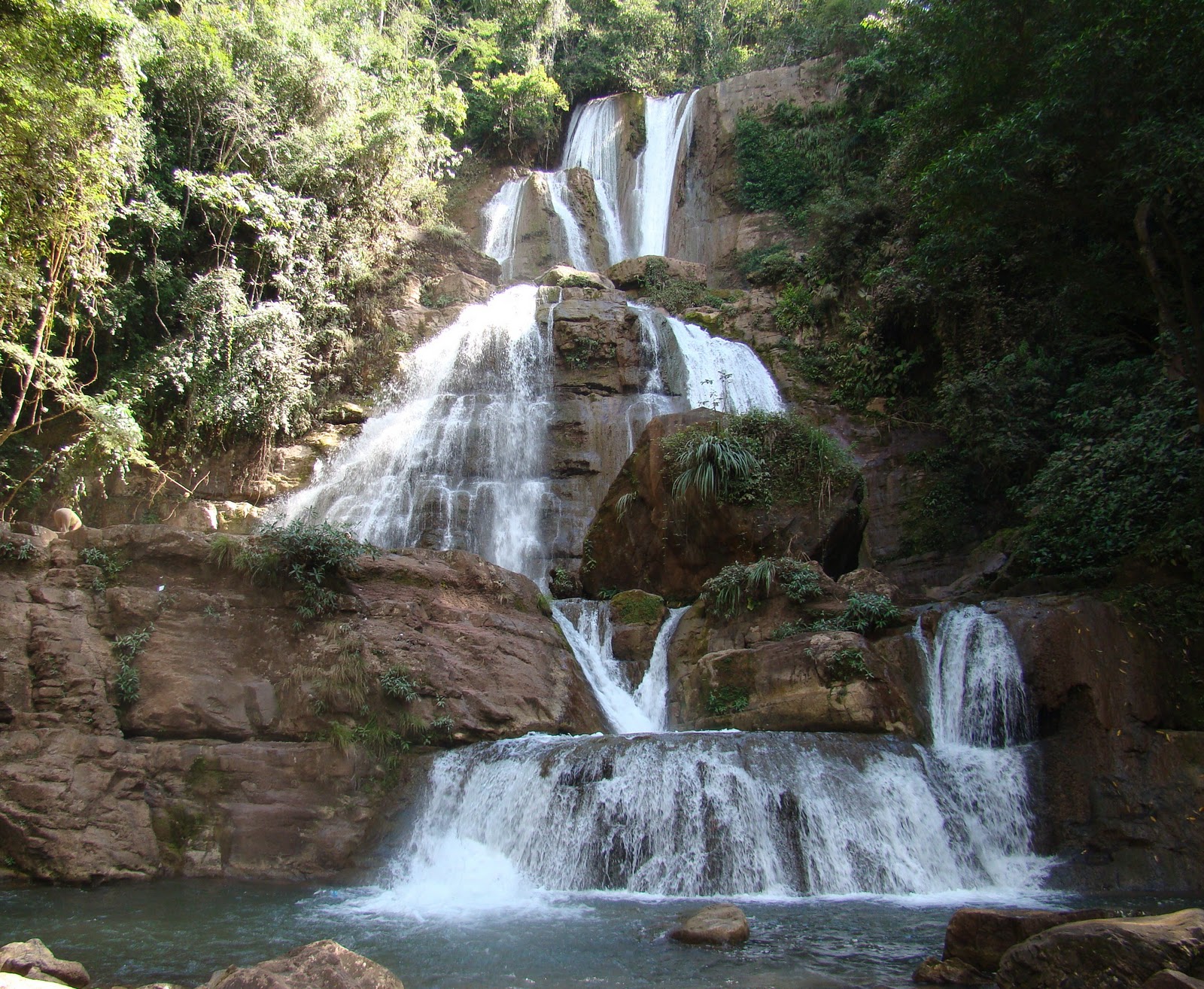
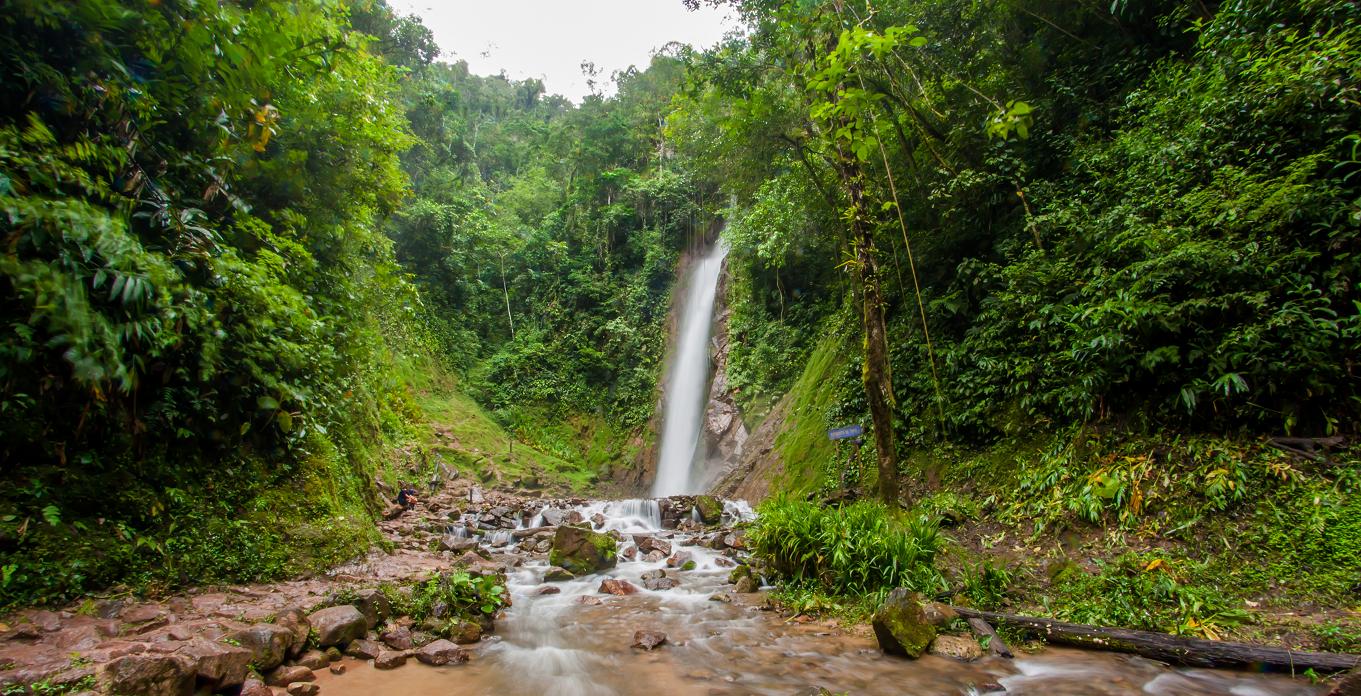
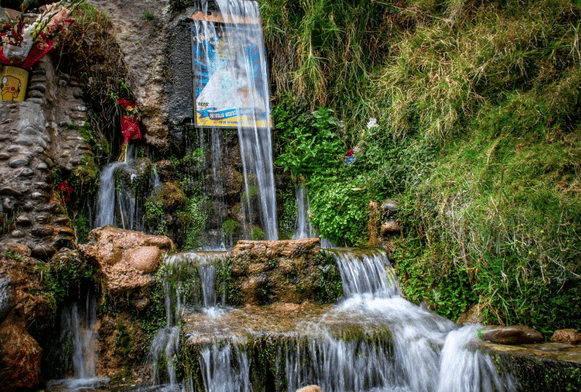
This impressive destination boasts incredible views, a wide variety of waterfalls, crystal-clear waters, and lush flora and fauna. Part of the Amazon basin, its climate is tropical and warm, sunny year-round with average temperatures ranging from 19°C to 30°C.
Chanchamayo is also known as the coffee capital and produces some of the best coffee beans in the world.
Cerro la Cruz Viewpoint
Located on the western side of the city, atop a hill that forms a natural lookout point, the viewpoint features cobblestone paths, railings, steps, and several corridors from which the entire city of La Merced can be seen. La Cruz de la Merced was built to celebrate the city’s centenary. Its inauguration took place on September 24, 1989.
Standing 10 meters tall, it is illuminated from 6:00 PM and can be seen from different points across the city. It was reconstructed during the first term of Cdte. FAP (Ret.) Walter Mendoza Castro, and the access paths were built during his second term in 2004.
On the esplanade where the viewpoint stands, visitors can also find a small grotto with an image of the Virgen de las Mercedes and two crosses commemorating the first Mass of La Merced. The viewpoint also has a recreation area for rest, accommodation, children’s play equipment, and food and beverage vendors. Most of these services operate during the tourist season.
Admission to the site is completely free, and while there you can enjoy activities such as flora and fauna observation, recreational games, video and photography, trekking, and guided tours.
Kimiri Bridge
The Kimiri Suspension Bridge was built in 1901 by people from the area to connect the banks of the Chanchamayo River and facilitate the transport of local goods. It is 75 meters long and has a main arch of lime mortar and cobblestone with an access gateway 4 meters tall. Built with thick metal cables, iron sleepers, and wood, it allows the passage of people and motor vehicles, including cars and trucks.
The Kimiri Bridge is also a hub connecting visitors to several nearby attractions, including the Borgoña and Reyna waterfalls. It also serves as a reference point for various outdoor activities (hiking, cycling, etc.).
Indigenous Communities
The Ashaninka indigenous communities engage in tourism in this area, offering visitors a space to experience their traditional clothing and the typical melodies of their own language.
Guided by the community members into their territory, visitors are welcomed with rustic drums, quenas, and rattles made from native seeds, and the Ashaninka share their full history, passing on equal knowledge of their ancestors’ customs and traditions.
How to Get There
Junín - Chanchamayo
Bus: approx. 3 hours
Hours
- Depends on the operator
- Approximate schedule
Admission Price
- Depends on the operator
- Approximate price