Discover Matapuquio Spring, the Virgen de Cocharcas shrine in Ahuac, Chupaca – healing waters, Andean ritual and highland scenery at 3,370 m.a.s.l.
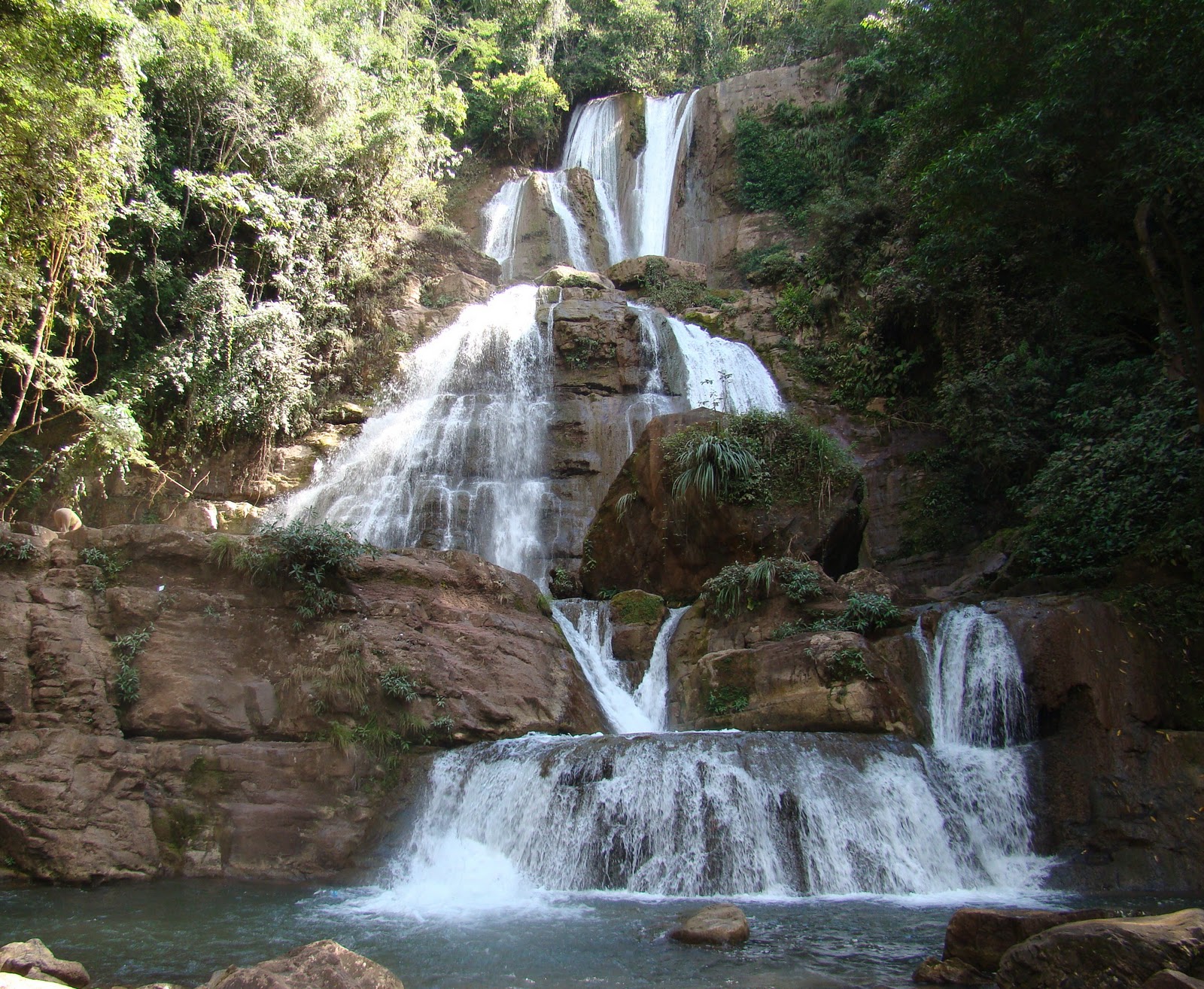
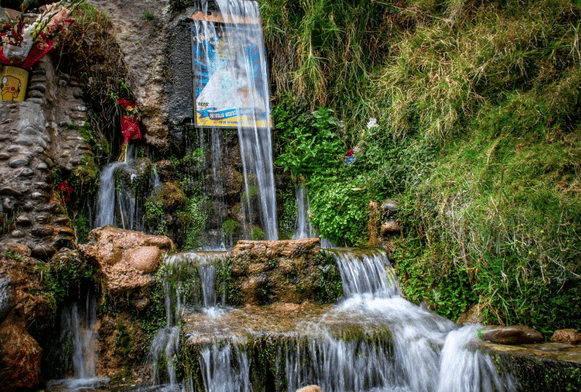
High in the Peruvian central Andes, at 3,370 meters above sea level, two underground water sources rise quietly through the earth in the Matapuquio neighborhood of Ahuac district, Chupaca Province, Junín. The Matapuquio Spring — officially registered as the Manantial Virgen de Cocharcas de Matapuquio — occupies a 2,500 m² enclosure where the water emerges at a constant temperature of 12°C and carries a slightly alkaline chemical composition confirmed by laboratory analysis to be of excellent quality for human consumption. What the analysis cannot measure is the centuries of faith that have made this spring one of the most visited sites in Junín, drawing devotees from Lima, Huancayo, Ayacucho, and dozens of other cities each September.
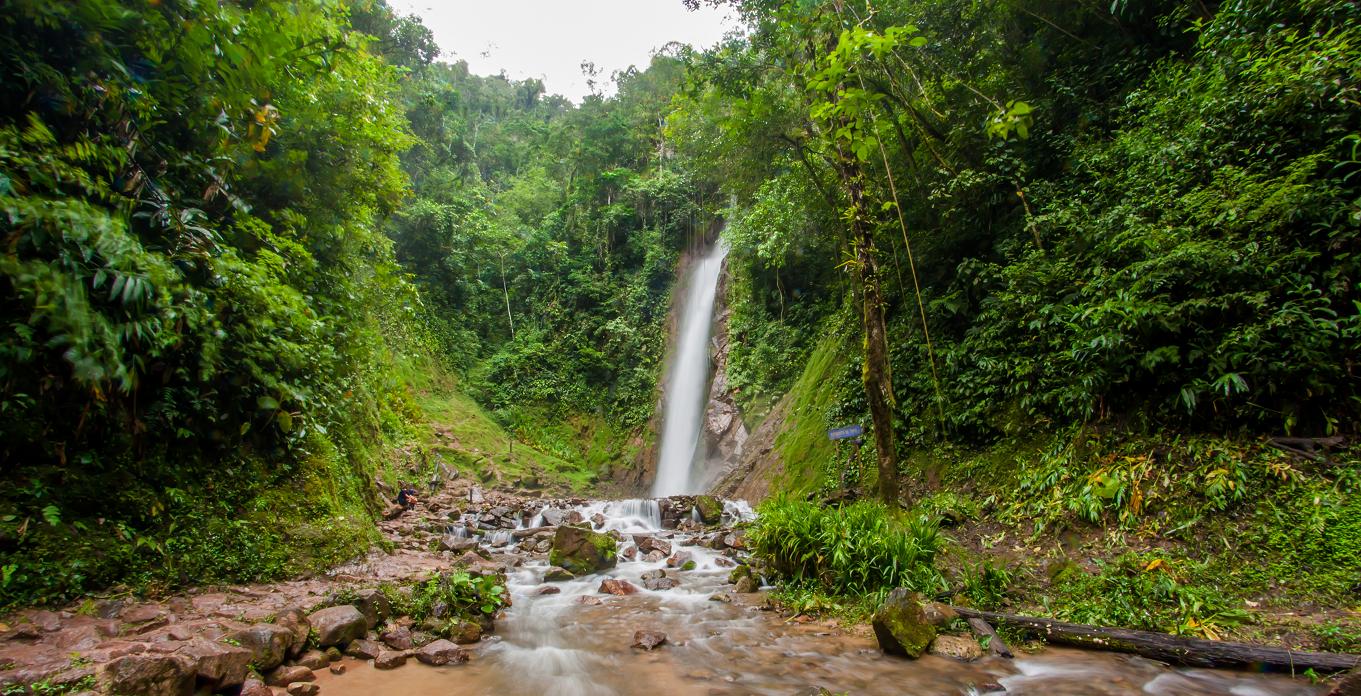
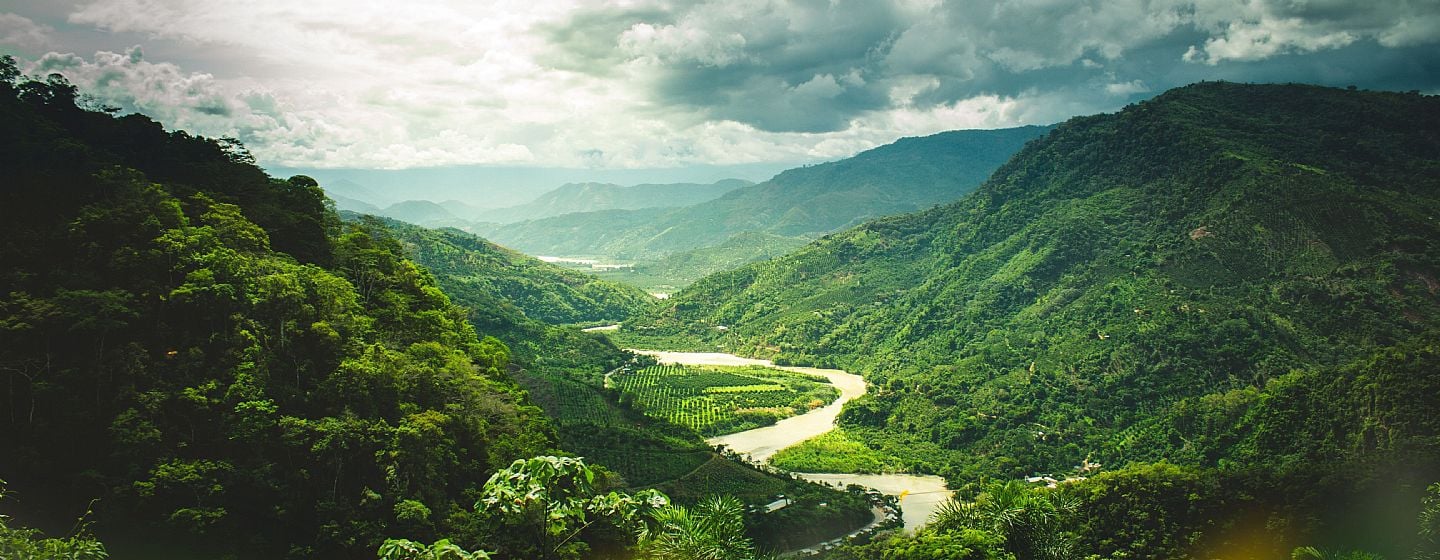
The site belongs to the Quechua ecological zone — a Peruvian geographic classification for mid-altitude Andean terrain between roughly 2,500 and 3,500 meters — where eucalyptus trees, native quinuales (Polylepis sp.), elderberry shrubs, and prickly pear cacti frame the clearing around the water source. It sits just 6.37 kilometers from the city of Chupaca by a completely paved road, making it one of the more accessible highland sacred sites in the region. Despite that ease of access, the Matapuquio Spring retains a quality of quietness outside the September pilgrimage season that is increasingly difficult to find at religious and natural sites across the Peruvian sierra.
History of the Matapuquio Spring and the Virgen de Cocharcas Tradition
To understand why a spring in a small Junín district draws thousands of pilgrims each year, you need to trace the origin of the Virgen de Cocharcas — a Marian devotion with roots in the late sixteenth century and the hands of an Inca-descended sculptor.
The story begins with Sebastián Quimicchi, an indigenous man from the Altiplano who, according to tradition, received a miracle attributed to the Virgin of Copacabana, the revered image venerated on the shores of Lake Titicaca. As an act of gratitude, Quimicchi commissioned a replica image from Tito Yupanqui, a craftsman of direct Inca royal lineage known for his religious sculptures. The finished figure was received in 1598 in the town of Cocharcas, in what is today the province of Chincheros, Apurímac, and the sanctuary built around it became one of the earliest Marian pilgrimage sites in South America.
In the centuries that followed, the devotion traveled north and east through the Andes. Communities in Junín adopted the Virgin — affectionately called Mamacha Cocharcas — as their own patroness, and replica images were installed in towns including Sapallanga and Orcotuna in the Huancayo valley. The cult became woven into the calendar and identity of the central highlands in a way that continues today.
The link between this Andean Marian tradition and the spring at Matapuquio was established in 1983, when a local resident reported finding a stone within the water source whose natural contours she described as forming the silhouette of the Virgin Mary. The account spread through the district and set in motion a gradual transformation of the site. A modern chapel was built above the springs on the hillside, offering panoramic views of the Chupaca valley. Stone pathways and staircases were laid to connect the entrance with the water source and chapel. Life-size carved sculptures representing the Morenada de Ahuac — the district’s signature dance form — were installed at the entrance esplanade. Since 1992, the Junta Vecinal del Barrio Matapuquio, with support from the Comedor Popular Virgen de Cocharcas, has administered the site on behalf of the Comunidad Campesina de Ahuac, which holds title to the land.
What Defines the Matapuquio Spring: Water as the Center of Devotion
Most Marian shrines in Peru center their devotion on an image — a painting or sculpture housed in a church or chapel. The Matapuquio Spring inverts this arrangement: the focal point is the water itself, and the chapel exists as a companion to the spring rather than its replacement.
The two underground sources produce water that physicochemical analyses have confirmed is fit for human consumption, slightly alkaline in pH, and free of significant contaminants. Traditional Andean medicine attributes to this water the ability to treat susto — a culturally recognized condition in which a fright or emotional shock disrupts the nervous system and overall vitality — as well as to strengthen the immune system and support the body’s natural detoxification. Many pilgrims arrive carrying empty bottles and leave with the water as a tangible connection to the sacred site, to be used at home or shared with family members who could not make the journey.
In September, the spring becomes the setting for the most important moment of the annual calendar. On the 13th of September, a traditional Andean offering ceremony — known as pago a la tierra or ofrenda andina — is performed at the water’s edge. Participants give thanks to the earth and to the spring itself before the main religious celebrations begin. Between September 13 and 19, the full festival draws thousands of devotees from across Peru: visitor records from 2025 show 1,710 local excursionists registered on Sundays in September, a count that does not include the much larger influx during the peak festival days.
Throughout the festival week, the Morenada de Ahuac fills the streets of Matapuquio with sound and color. This dance form, which blends African and Andean influences brought together through centuries of cultural exchange, involves elaborate costumes — ornate masks, feathered headdresses, and embroidered jackets that artisans spend months preparing. Brass bands lead the processions through the neighborhood, and the music carries far enough to be heard on the hillside above the chapel.
Highlights of Matapuquio Spring
- The Twin Water Sources: The core of the entire site — two natural springs surfacing from underground within the landscaped enclosure. Visitors kneel to fill containers, wash their hands in the current, and sit in the quiet around the source. The water temperature holds at 12°C regardless of season.
- The Panoramic Chapel: Positioned on the hillside above the springs, this modern chapel offers sweeping views across the Chupaca valley and the surrounding Andean ridgelines. It serves as the site for masses during the September festival and as a point of contemplation throughout the year.
- Stone Pathways and Staircases: A well-maintained network of stone-paved walkways connects the entrance esplanade with the chapel and spring area, bordered by ornamental plants, eucalyptus, and native shrubs. The stonework reflects the ongoing care the community invests in the site.
- Morenada Sculptures at the Entrance: Life-size carved figures at the access esplanade represent the principal characters of Ahuac’s Morenada — a striking visual introduction to the cultural identity of the district before a visitor reaches the spring itself.
- Welcome Stele: A carved stone marker at the entrance summarizes the history and religious significance of the spring in text accessible to first-time visitors arriving without a guide.
Tips for Visiting Matapuquio Spring
- Best time to visit: The site is open year-round. For the September pilgrimage festival (September 13–19), expect large crowds and a vibrant atmosphere. For quiet visits and optimal photography conditions, the dry months from May through August offer stable weather, clear skies, and excellent highland light.
- Dress for altitude: At 3,370 m.a.s.l., temperatures drop sharply after midday even in summer. Pack a warm jacket or fleece layer, wear shoes with good grip on wet stone, and bring waterproof gear if visiting between December and March.
- Allow time to acclimatize: If you’re traveling from Lima (sea level), rest in Chupaca for at least a few hours before heading to the spring. Walk slowly on arrival, drink water frequently, and avoid alcohol during your first day at altitude.
- Bring a clean container: If you’d like to try or take home spring water — as many pilgrims do — bring a sealed, clean bottle. The water quality has been verified, but the container matters.
- Photography: The combination of eucalyptus canopy, stone walkways, and highland backdrop rewards a morning visit. Arrive before 11 a.m. to catch the lateral light on the paved surfaces and the carved sculptures.
- Respect ongoing worship: This is an active site of religious practice, not a museum. If you arrive during a ceremony or offering ritual, maintain silence, stand to the side, and avoid pointing cameras at devotees performing rites without their implicit permission.
- Plan around daylight: The site has no electrical lighting. Make sure to begin your return journey well before the 5:00 p.m. closing time, especially if you are relying on public transport back to Chupaca.
- Services on-site: The enclosure has potable water and a structured access esplanade, but no sewage infrastructure or food vendors. Eat before you arrive, or plan lunch in Chupaca after your visit.
How to Get to Matapuquio Spring
Lima – Chupaca
From Lima, the standard route follows the Carretera Central eastward into the Andes — a well-paved national highway that climbs through striking mountain scenery before crossing the Abra de Anticona (locally known as Ticlio) at 4,818 m.a.s.l., one of the highest paved road passes in the world. The road then descends toward La Oroya and continues through the central highland plateau to Chupaca. The total distance from Lima is approximately 277 kilometers. By bus, the journey takes between 4 and 5 hours depending on traffic. Multiple bus companies operate routes from Lima’s terminals with connections to Huancayo, from which local combis (shared minivans) and taxis reach Chupaca in under 30 minutes.
Chupaca – Ahuac – Matapuquio
From the Plaza Independencia in Chupaca, take the paved road toward the district of Ahuac — a 5.5-kilometer stretch that takes roughly 12 minutes by car or combi. From Ahuac’s main plaza, the spring is an additional 870 meters along the same road, approximately 3 minutes further by vehicle. The entire access route is paved and fully passable year-round, including during the rainy season.
Frequently Asked Questions about Matapuquio Spring
How much time do you need to visit Matapuquio Spring?
A thorough visit — covering the twin water sources, chapel, stone pathways, and entrance sculptures — can be completed comfortably in 1 to 2 hours. If you’re visiting during the September festival, set aside at least half a day, as ritual ceremonies, religious processions, and Morenada dance performances extend through the afternoon and into the evening.
Can you visit Matapuquio Spring year-round?
Yes. The site is open every day of the year. Conditions vary by season: the dry months from May through August offer stable weather and the best visibility; the rainy season from December through March brings lush green vegetation but potentially slippery stone paths. The site reaches its peak vitality during the second half of September, when the annual pilgrimage festival concentrates thousands of visitors over several days.
How much does entry to Matapuquio Spring cost?
Admission is completely free at all times of the year. No entry fee is charged.
How difficult is it to reach Matapuquio Spring?
Access is straightforward. The entire route from Lima to Matapuquio follows paved roads. Within the enclosure, some staircase sections are steep enough to require care — particularly for older visitors or those with limited mobility — but the terrain is manageable for most travelers in reasonable physical condition. The main challenge is altitude: at 3,370 m.a.s.l., visitors unaccustomed to elevation should move slowly and allow time to adjust.
Are there tourist services near Matapuquio Spring?
Yes. The city of Chupaca, just 6.37 kilometers from the spring, provides a solid range of services including three-star hotels, two-star guesthouses, restaurants, cafés, artisan craft shops, and travel agencies. Chupaca is the logical base for visiting the spring as part of a broader exploration of Chupaca Province.
Opening Hours
- Monday to Sunday: 9:00 a.m. – 5:00 p.m.
- Approximate
Entrance Fee
- Free admission
- Approximate