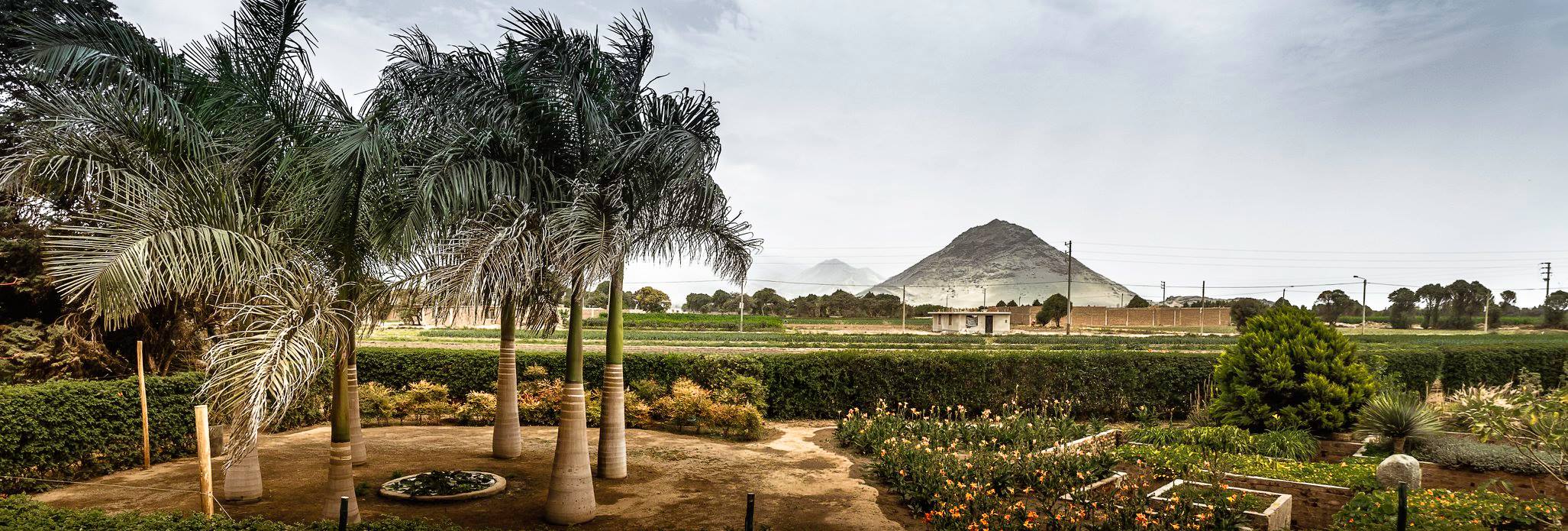
The garden, also known as Carmela, is located at the old Barraza hacienda in the sweet zone of Laredo, just 15 minutes from Trujillo.
The Garden of the Senses, also known as “Carmela,” is located at the old Barraza hacienda in the Laredo area, just 15 minutes from Trujillo. It is a true center for the collection, research, cultivation, and conservation of natural species, with a design that makes it far more than a botanical garden: it is a therapeutic, inclusive, and culturally rich space that blends the wisdom of pre-Columbian cultures with modern landscape design.
The Garden of the Senses was created by Peruvian Raúl Silva after a long process of research and travels around the world. The central idea is that the garden be accessible and meaningful to people with visual impairments, who can explore it guided by the aromas, textures, sounds, and temperatures of the plants, rather than relying solely on sight.
A Story of Inspiration and Dedication
Raúl Silva, the creator of the garden, traveled extensively throughout Europe and the Americas, learning about therapeutic gardens and inclusive spaces. Upon returning to Peru, he decided to create a space that combined three elements he considered fundamental: the inclusion of people with visual disabilities, the recovery of the medicinal and sacred plants of Peru’s pre-Columbian cultures, and the creation of a space for emotional and spiritual healing for all visitors.
Raúl envisioned the garden as a living museum — hence the name Museo Jardín — where the plants are the pieces of a collection that can not only be contemplated but also smelled, touched, and listened to. The garden has been in operation for more than 30 years in the Trujillo area, becoming one of the most singular alternative tourism spaces in northern Peru.
Design Inspired by Pre-Columbian Cultures
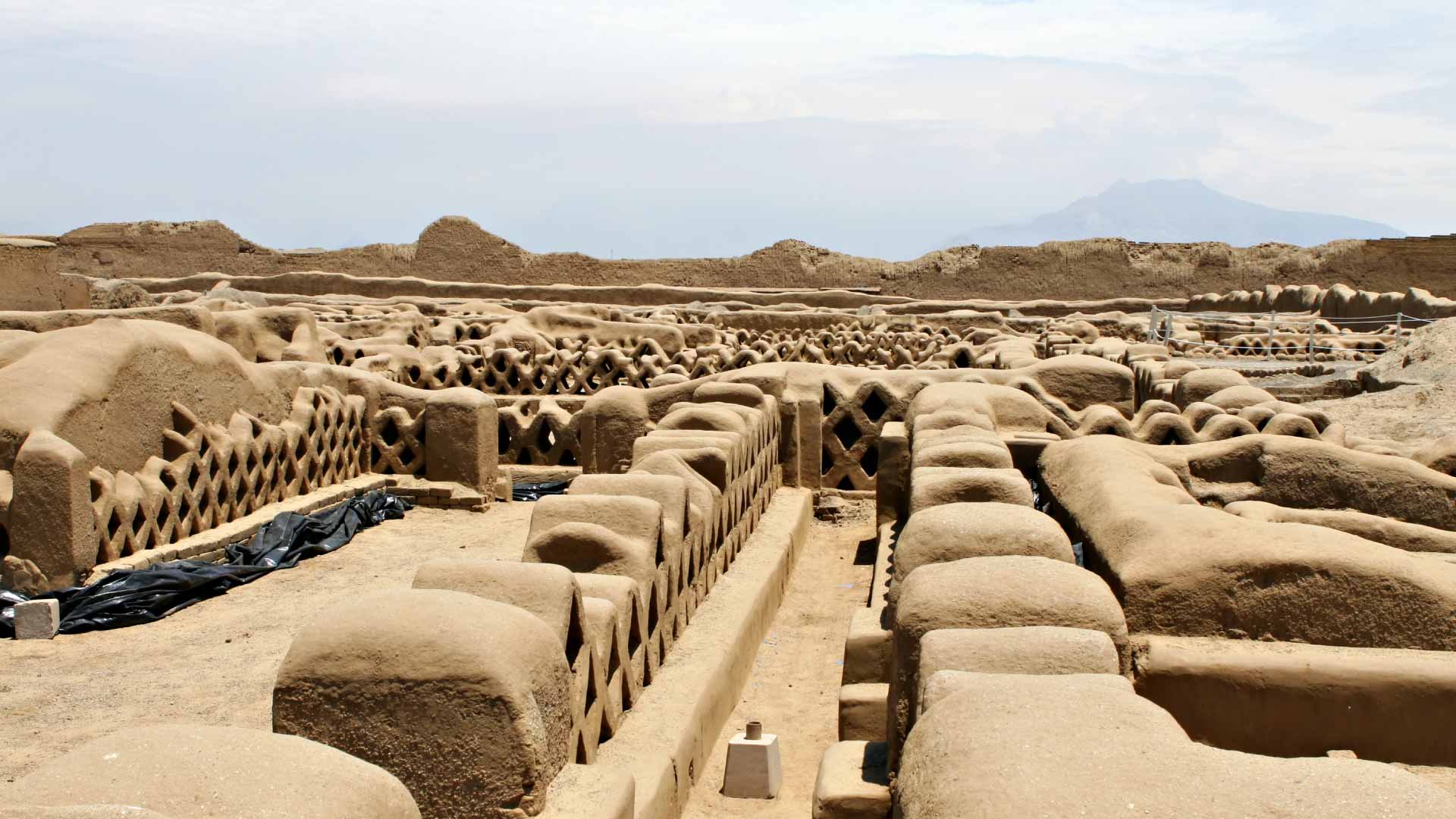
One of the most striking features of the Garden of the Senses is that its design makes direct reference to the pre-Columbian cultures of northern Peru, especially the Chimú civilization, whose capital was Chan Chan, located just a few kilometers from the garden.
The plants are organized according to the cardinal points, following the orientation system of Andean cultures:
- To the south: luminous plants (yellow and golden flowers)
- To the north: plants with white flowers (associated with purity and healing)
- To the west: plants with cool colors (blues, mauves, and violets)
- To the east: the warmest plants (reds, oranges, and intense yellows)
Parts of the garden’s architectural structure are inspired by the friezes and designs of the Palace of Chan Chan, the great Chimú culture complex declared a UNESCO World Heritage Site. This connection to local cultural heritage gives the garden a historical dimension that goes far beyond simple botany.
The Sensory Journey
The tour begins in an area known as the amphitheater, where visitors are invited to perform breathing and concentration exercises to prepare their senses for the experience ahead.
The acoustic experience: in the next stage, visitors listen to birdsong, the whisper of wind through the leaves, and the sound of water. These sound stimuli are especially meaningful for people with visual impairments, who use them to orient themselves in space.
The olfactory experience: the heart of the garden is the aromatic plant zone: spearmint, lavender, rosemary, chamomile, basil, and dozens of native medicinal plants that fill the air with intense aromas. Visitors are invited to gently rub the leaves between their fingers to release the essential oils.
The tactile experience: the textures of the plants are another central element of the tour. Rough and smooth leaves, thorny and soft stems, rugged bark, and the finest roots create a tactile map of the plant kingdom.
Sacred medicinal plants: the tour ends among the most sacred medicinal plants of Andean and Amazonian traditions: muña, matico, chancapiedra, boldo, and others with therapeutic properties documented by centuries of use. The guides explain the properties of each plant and its use in the traditional medicine of northern Peru.
Inclusion and Accessibility
The Garden of the Senses has received visits from associations and groups of blind people from throughout Peru and from other countries. The founder established from the beginning that people with visual impairments would not pay an entry fee, recognizing that the garden was designed especially for them.
The testimonies of blind visitors are especially moving: many describe the experience of exploring the garden with their other senses as providing a dimension of connection with nature that they rarely encounter in conventional spaces.
How to Get There
Trujillo – Garden of the Senses
Bus: approx. 40 minutes
Hours
-
Wednesday - Monday: 9:30 AM to 5:30 PM
-
Approximate schedule
Admission Price
-
Adult S/30.00 soles
-
Children S/10.00 soles
-
Approximate prices