Chan Chan is the largest adobe city in the world, capital of the Chimú Empire in La Libertad, declared a UNESCO World Heritage Site and listed as endangered.
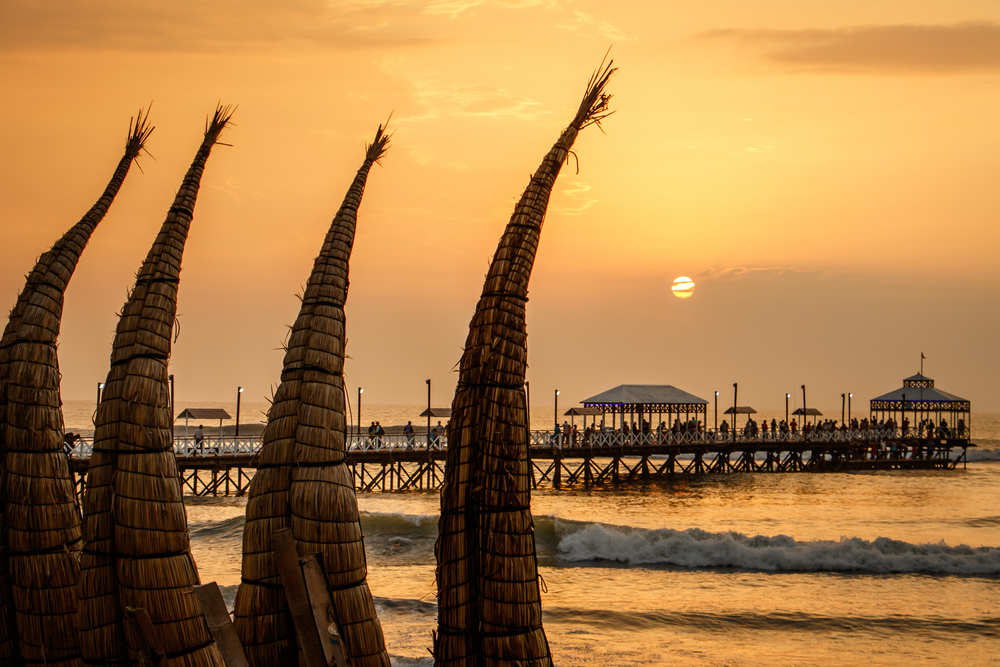
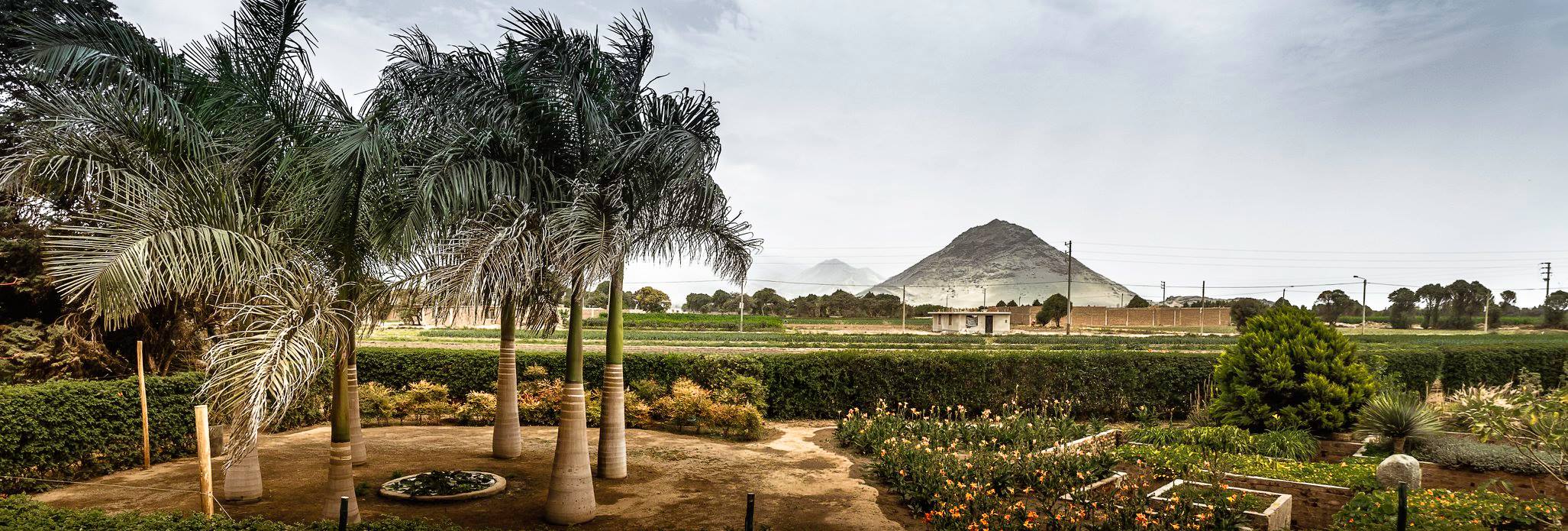
Chan Chan is located in the Moche Valley between the beach resorts of Trujillo, the capital of La Libertad province on the northern coast of Peru, overlooking the sea. The archaeological site covers approximately 20 square kilometers. The central area consists of 10 walled enclosures (known as “palaces”) and other isolated pyramids. The area of this central complex is about 6 square kilometers. The rest consists of many small buildings, walkways, canals, walls, and poorly preserved cemeteries.
The Chan Chan Archaeological Zone is located in the province of Trujillo in the La Libertad region. It was the political, religious, and administrative capital of the Chimú Kingdom, which governed several ethnic groups along the northern coast of Peru. Built entirely of mud brick, it was constructed between the 8th and 15th centuries AD and is an outstanding example of urban planning in pre-Columbian America, representing the pinnacle of urban development in the Andean region. The differentiated use of habitable spaces and the hierarchy of the buildings express the political and social complexity of its society.
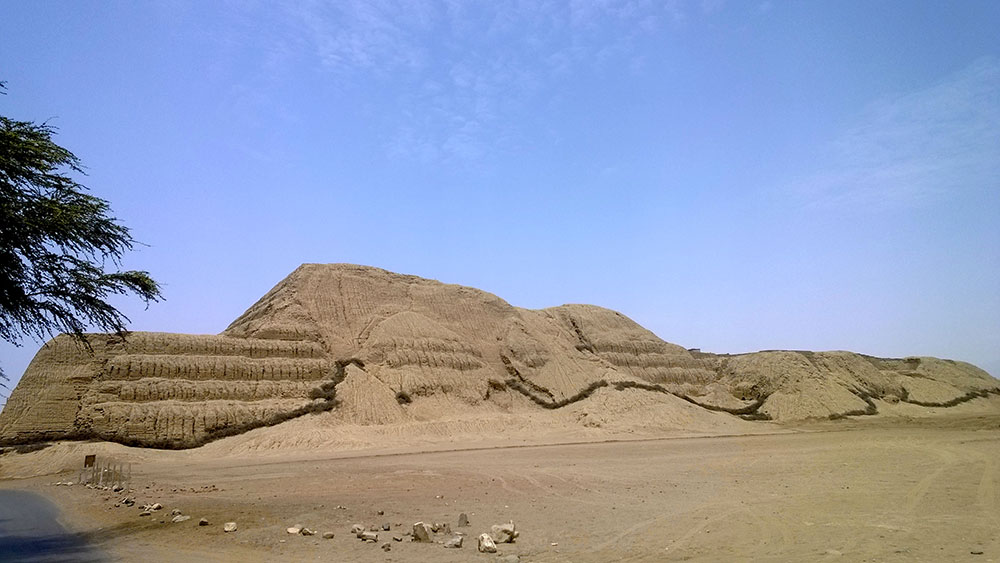
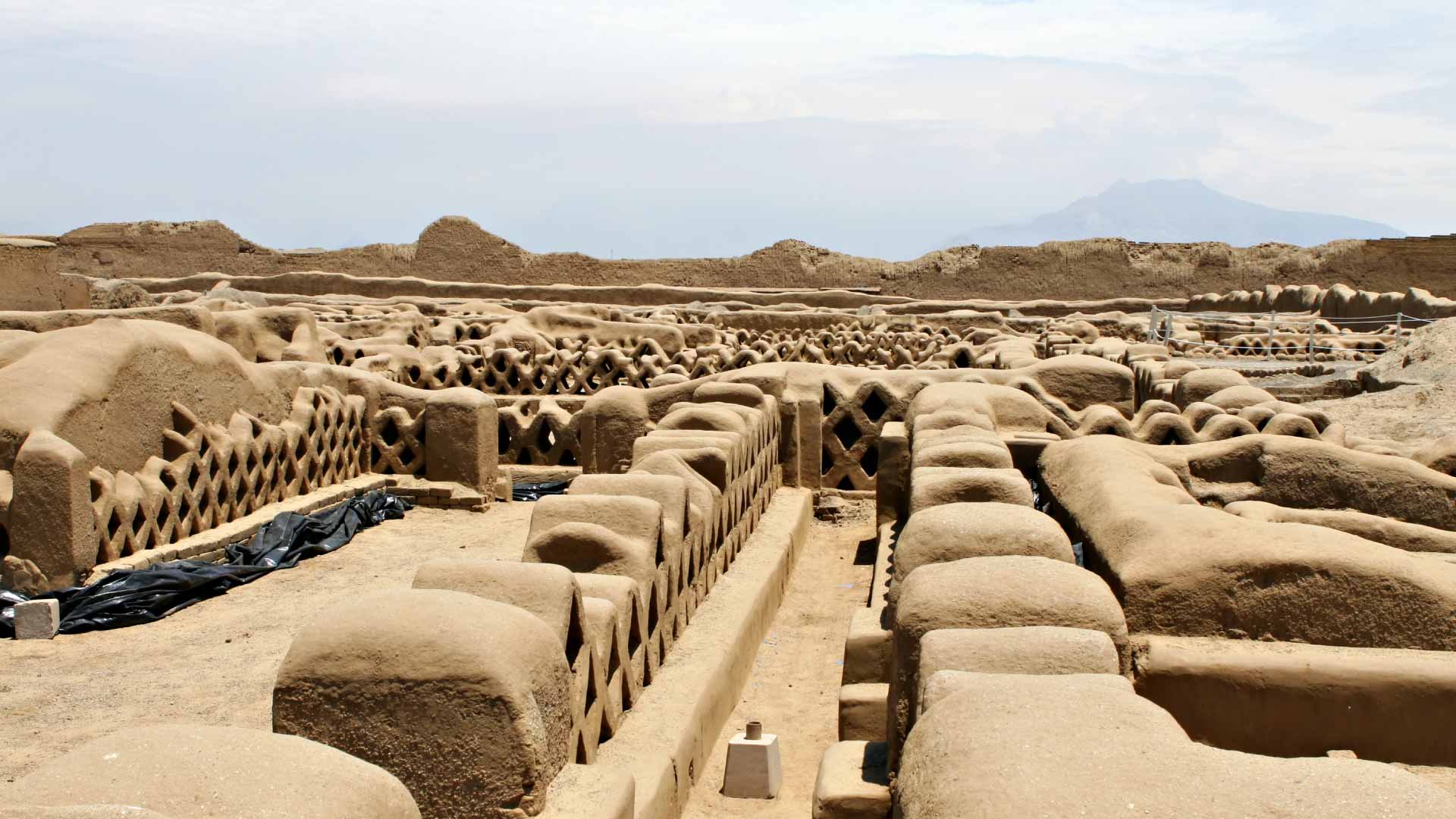
This archaeological zone has a strictly urban core and a peripheral area formed by enclosed fields, huacas, and wetlands. Its construction took around 650 years and reached its peak in the 15th century before being annexed by the Inca Empire shortly thereafter. It still retains its monumental character and its unusual clay high-relief mural decorations.
From the end of the Early Intermediate Period (600 AD) to the beginning of the Middle Horizon Period (700 AD), during the Moche V phase, a new urban pattern developed on the northern coast of Peru, whose main structures would be more than ceremonial pyramids — these were rooms and massive buildings surrounded by large enclosure walls (“kanshons”), which formed the most important part of the settlement.
Architecture
Local materials were used in the construction of the city. The enclosure walls were built with adobe blocks on stone foundations baked with mud, wider at the base and narrowing at the top. Split adobe was used to construct floors, wall fills, ramps, and platforms, along with soil, rocks, and other rubble. Wood was used for columns, pillars, and lintels. Rattan, reeds, and mats were also used.
The roofs were made of twisted bundles of straw. One of the details most appreciated by modern visitors is the beauty, variety, and quantity of walls decorated with high reliefs. These were made using molds and adorned the walls, friezes, and corridors of the palace courtyards. The most common decorative motifs are geometric combinations, though fish and bird motifs are also frequent.
History of the Chimú Culture and Chan Chan Citadel
The Chimú culture is one of the most important in Peruvian history. It settled on the northern coast of the country between 1000 and 1470 AD, extending from Lima to the border with Ecuador at its peak.
The Chimú were masters of textiles, ceramics, metallurgy, and goldsmithing, but they are above all known for their architectural achievements. Despite the incomparable value of everything the Chimú built and created, the masterpiece of this culture is inevitably the Palace of Chan Chan.
The importance of Chan Chan during the Chimú era is undeniable: this place was considered the capital of the entire kingdom, and it was here that the great Chimú — the supreme ruler of this culture — resided.
How to Get There
Lima - Trujillo
Flight: approx. 1 hour
Trujillo - Chan Chan Citadel
Bus: approx. 20 minutes
Hours
- Monday - Saturday: 9:00 AM to 4:30 PM
Admission Price
- Adults S/11.00 soles
- Children S/6.00 soles