Ilo in Moquegua offers a beach circuit of clear sandy shores, calm waters, and unique desert landscapes on Peru's southern coast, ideal for relaxation.
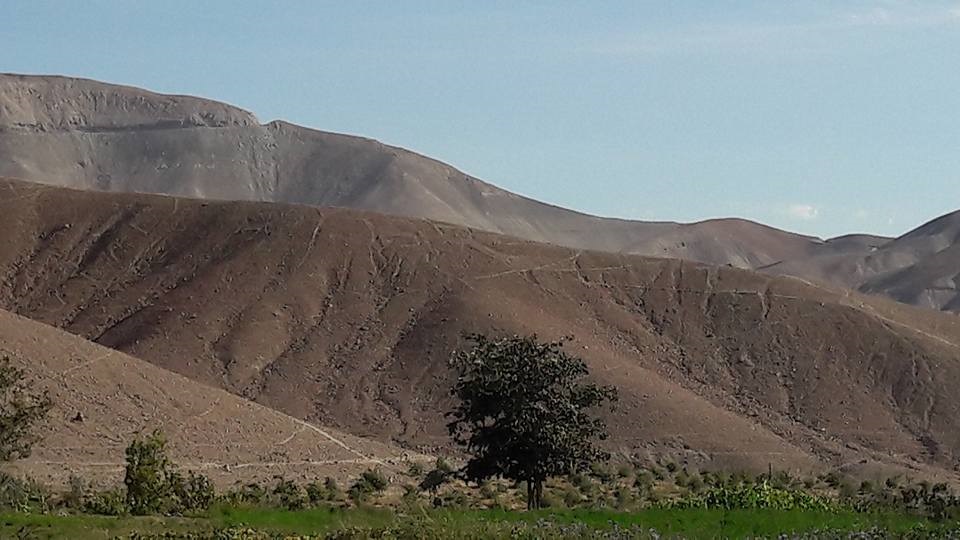
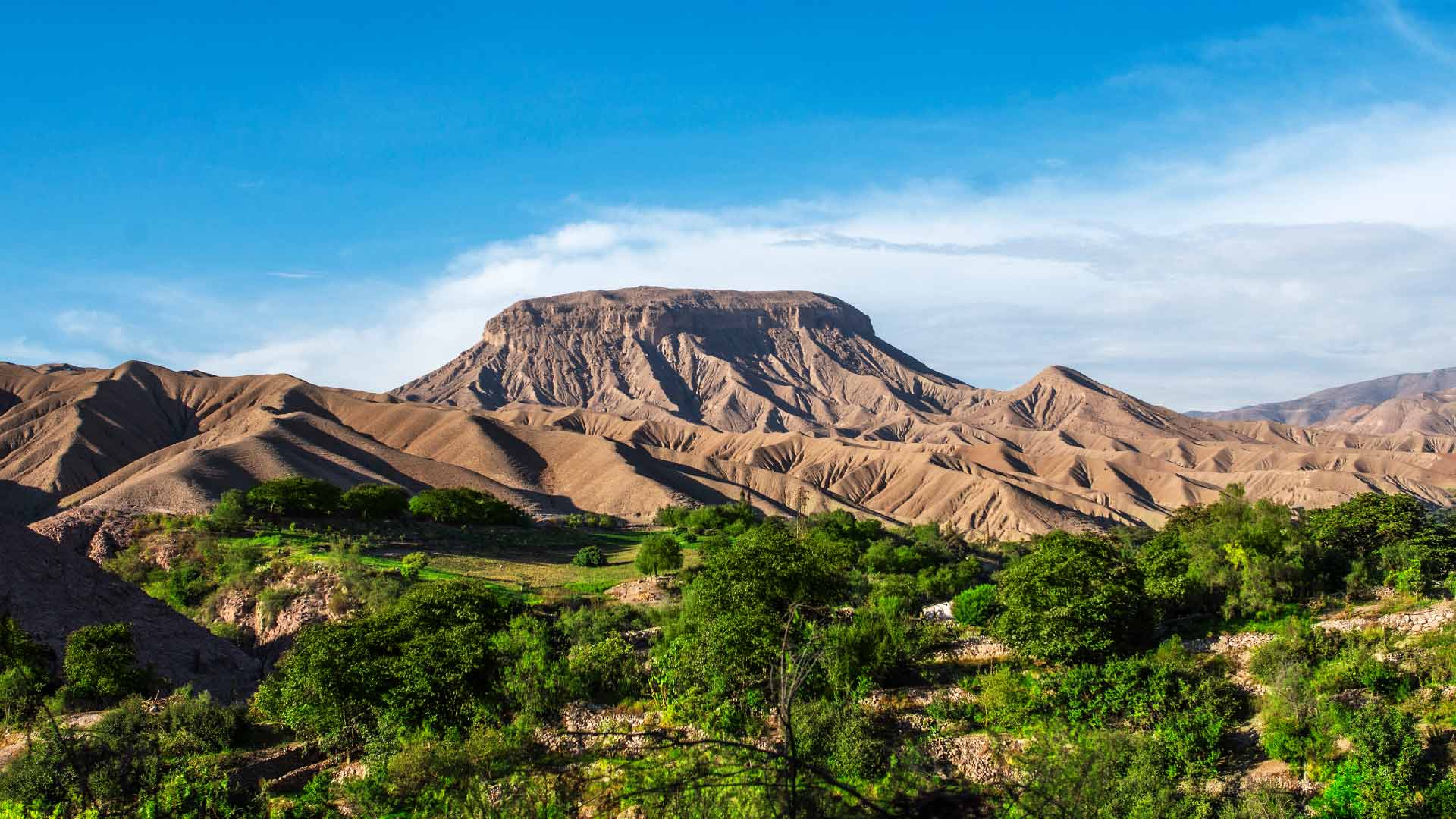
Ilo is a coastal city in the Moquegua region, on the far southern end of the Peruvian coast, 97 km from the city of Moquegua and just a short distance from the Chilean border. What sets it apart from other beach destinations in the country is its distinctive combination of coastal desert and open sea: dunes and cliffs descend almost to the water’s edge, creating landscapes of stark and imposing beauty.
The Ilo Beach Circuit encompasses several seaside resorts within a 40-kilometer radius north and south of the city, all accessible via the coastal highway. The sea here is cold but clear, and artisan fishing is part of the everyday landscape.
Tronco de Oro Beach
Located 25 kilometers south of Ilo port, Tronco de Oro is the most visited beach on the circuit. Its shoreline stretches for 700 meters with fine-grained sand and relatively calm inshore waters — ideal for swimming. At the end of the beach, natural rock pools can be found where small fish and sea urchins are commonly spotted.
The beach is very popular with locals on weekends and offers basic services: ceviche and chupe de camarones restaurants, rental beach tents, and parking.
Pocoma Beach
28 kilometers north of Ilo, Pocoma is a wild, rocky beach that sees few visitors on weekdays. Its shoreline extends more than 2 kilometers between low cliffs and the coast. The rocky seabed makes it a good spot for free diving and rudimentary scuba diving. Northern swells produce waves suitable for mid-level surfing.
In the surrounding area of Pocoma, remnants of ancient terraces and structures can be found — possibly belonging to the Tiwanaku or Ilo cultures that once inhabited the Moquegua coast.
Pozo de Lizas Beach
Pozo de Lizas is located just 7 kilometers from central Ilo, making it the most accessible beach on the circuit. It stretches for about 6 kilometers of fine, pale sand. The waters are calm and shallow, making it the safest option for families with children. Ilo’s sunny, arid climate — with average temperatures of 19°C year-round and almost no rain — means this beach can be enjoyed in any season.
Platanales Beach
The most remote and least known on the circuit, Platanales is located 37 kilometers north of the city. Its name comes from the banana plantations that once existed in the area. The shoreline measures approximately 800 meters and is characterized by its wild setting: cliffs of 50 to 60 meters frame the descent to the beach, which is accessed via a dirt track.
At Platanales, freshwater springs emerge between coastal rocks, and sea caves and archaeological remains — ceramic fragments and buried structures — can be found, still awaiting full study. For fishing enthusiasts, this stretch of coast is particularly attractive given the richness of its marine floor.
The Malecón and the City of Ilo
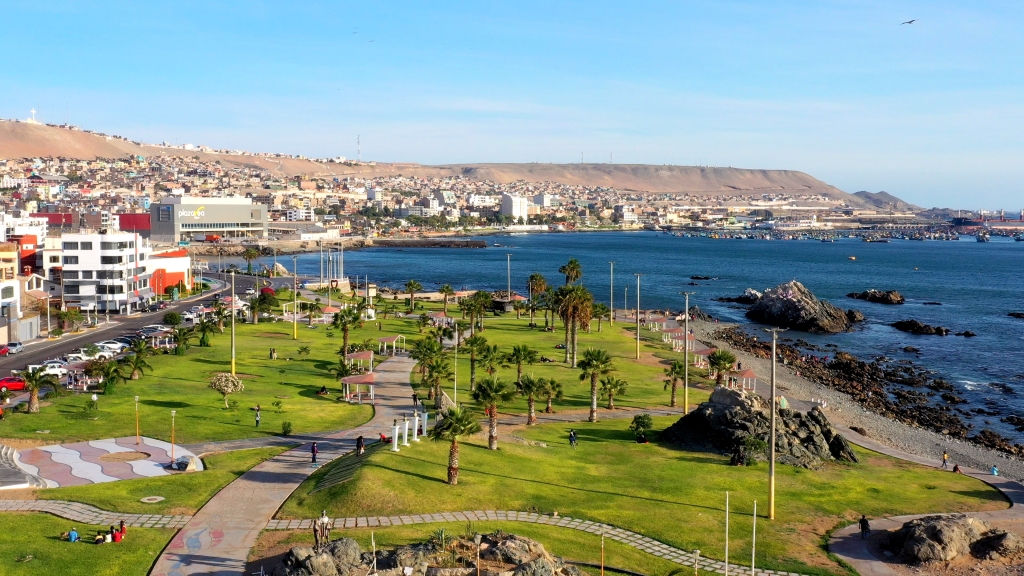
Beyond its beaches, Ilo offers a renovated seafront promenade with ocean views and a view of Zepita Islet, where sea lions and guano birds can be observed. The Port of Ilo, one of the most active in southern Peru, is an interesting vantage point for watching the artisan and industrial fishing fleets at work.
The local cuisine of Ilo deserves special mention: fresh Pacific seafood ceviche, chupe de camarones from the Osmore River, and chicharrón de congrio (crispy fried conger eel) are local specialties not to be missed.
Tips for Your Visit
- Ilo has an arid, sunny climate year-round. The sun is intense — bring sunscreen and plenty of water.
- The high season is the austral summer (December to March), when sea temperatures rise slightly.
- To visit Platanales and Pocoma, it is best to rent a vehicle or take a taxi from Ilo; public transport only reaches the closer beaches.
- The artisan fishing port operates in the early hours of the morning; to see the boats unloading fresh catches, arrive before 7 AM.
How to Get There
Lima to Moquegua: Bus — approximately 16 hours / Flight — approximately 1 hour 25 minutes
Moquegua to Ilo: Bus or minibus — approximately 1 hour
Hours
- Beaches are freely accessible during daylight hours
Admission Price
- Free access to public beaches