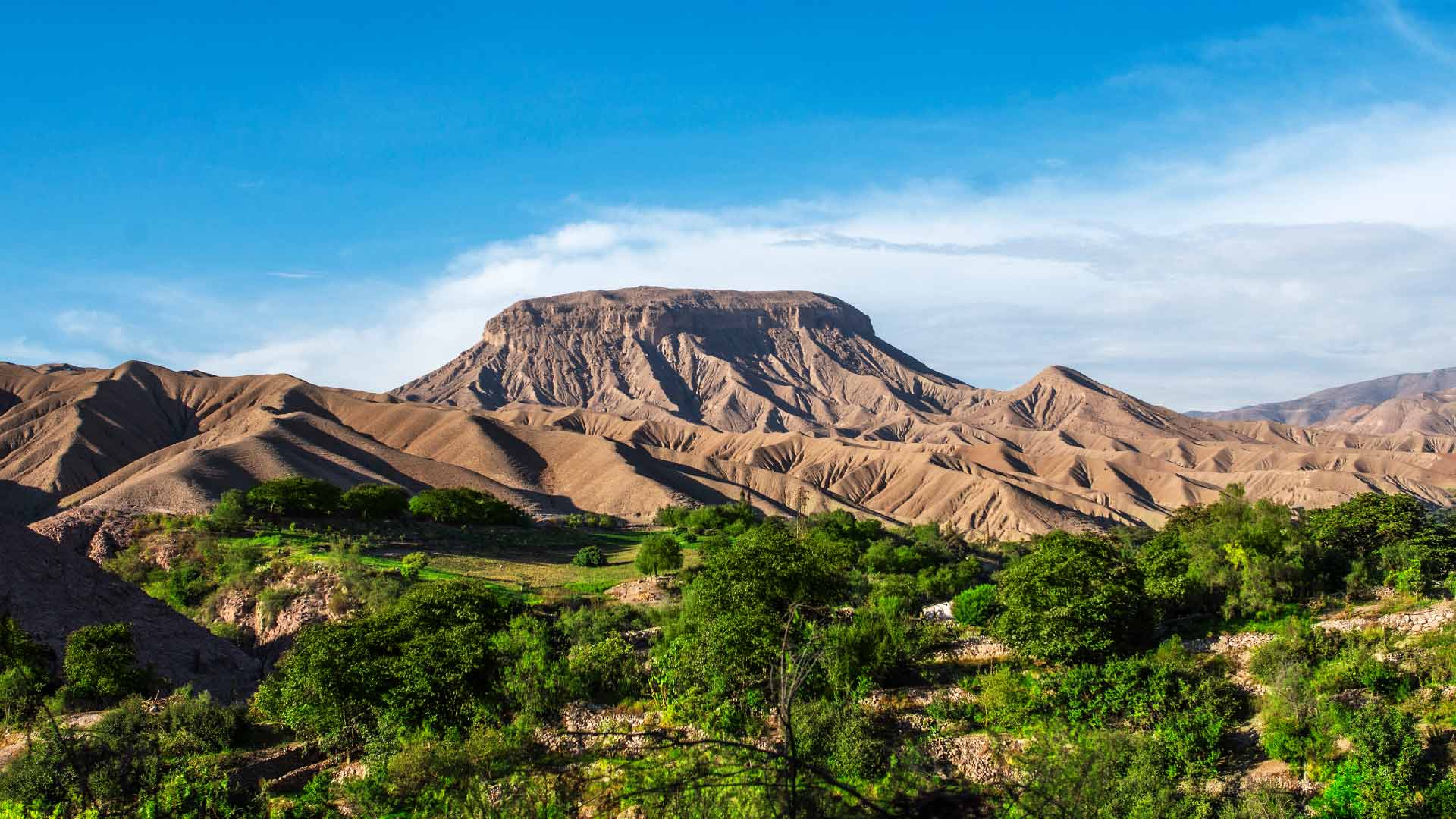
Cerro Baúl is a pre-Inca archaeological site in Peru perched atop a dramatic mesa in the Torata valley, home to a Wari walled citadel from the 7th to 13th centuries AD.
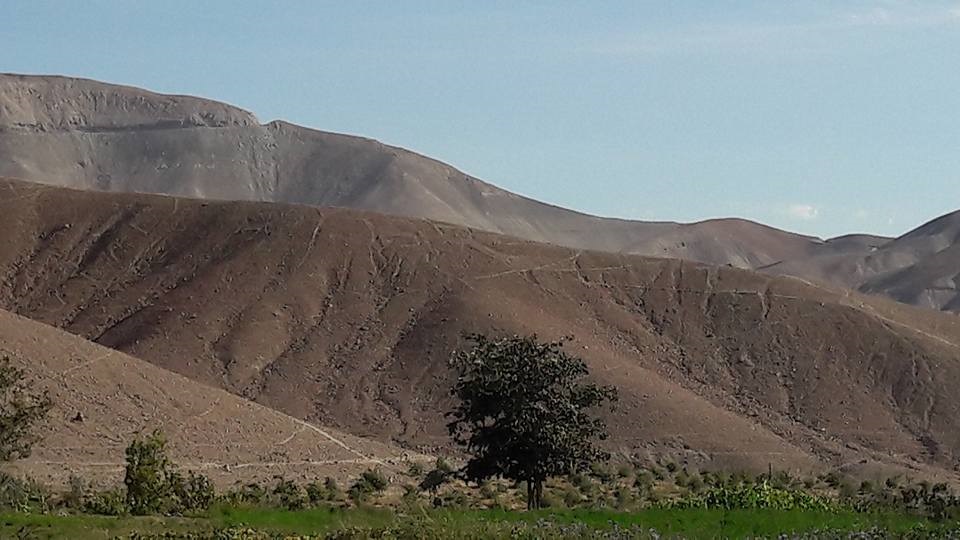
Cerro Baúl is a pre-Inca archaeological site located 12 kilometers north of the city of Moquegua, in the middle of the Torata River valley, in the district of Torata, province of Mariscal Nieto, at an altitude of 2,400 meters above sea level. The site sits atop a flat-topped mesa of limited access, its distinctive profile visible from the road between Moquegua and Cuajone. Its name comes from its geological shape — it rises sharply into the sky and its summit is cut perpendicularly, resembling the lid of a trunk (baúl).
At its summit, archaeologists have discovered a walled palace belonging to the important Wari culture, constructed between approximately the 7th and 13th centuries AD. The ascent follows a path along the mountain’s flank and takes approximately 45 minutes on foot.
According to the remains found at the summit, the site encompasses approximately 10 hectares of urban ruins with one- and two-story buildings, storage areas, and a large ceremonial space. This was a place where rituals were performed for sacred deities, while daily life unfolded according to the customs of its inhabitants. The site also preserves evidence of the resistance of the Coshuna people, who took refuge at the summit of the hill during an attack by the army of Mayta Capac.
The Wari Colony
Cerro Baúl was a Wari colonial outpost, established deep within the territory marked by the Tiwanaku culture — making it one of the most remarkable examples of political and cultural rivalry in pre-Columbian South America. The site has been extensively documented in terms of its domestic and monumental architecture, and its relationship with forms found in Ayacucho and other regional centers has been carefully studied.
The Wari colony at Cerro Baúl served as a military stronghold and a center for the exploitation of the region’s natural resources, which were ultimately channeled to the Wari metropolis of Huari. Evidence of the later Estuquiña culture and the presence of the Incas has also been found at the site, attesting to its continued significance across different eras.
The ancient Wari civilization built the citadel using stone, adobe, and obsidian lacquers. Among the most striking features of the archaeological site are its three rectangular plazas, where important ceremonies and rituals were held in honor of the gods. These open spaces were also settings for the daily life and customs of the Wari community.
The Legend
A legend has taken root among the local population, repeated by children in their homes and schools. It is believed that at midnight, a bull emerges from the depths of the hill with a golden chain hanging from its neck, dragging along the ground. The bull snorts and raises dust as it walks, descends to the river to drink water, and then returns to the hill to continue guarding the riches the site holds.
How to Get There
Moquegua Plaza de Armas to Cerro Baúl: Bus — approximately 30 minutes
Cerro Baúl base to summit: Hike — approximately 1 hour on foot
Hours
- Monday to Sunday: 6:00 AM to 7:00 PM
Admission Price
- Free access